 info@mplogistics.vn
 (+84) 28 3811 9033


On the afternoon of December 25, the General Department of Customs officially announced a historic milestone for Vietnam’s economy. The country’s total import-export turnover reached USD 900 billion for the first time.
This remarkable achievement places Vietnam among the world’s top 25 economies by trade value. It also highlights the country’s strong economic openness and deep integration into global trade networks.

Deputy Minister of Finance Nguyen Duc Chi (third from the left) and the leadership team of the Customs Department. Photo: Finance and Investment Newspaper
Notably, this milestone was reached amid a complex global environment in 2025. Major economies have intensified strategic competition. At the same time, new trade barriers have emerged.
In particular, reciprocal tax policies introduced by the United States have reshaped global trade flows. These measures have disrupted supply chains and increased production costs worldwide.
However, despite these challenges, Vietnam’s import-export activities remained resilient. Trade continued to play a central role in supporting macroeconomic growth and economic stability.
Coordinated Efforts Behind the $900 Billion Result

Director of the Customs Department Nguyen Van Tho delivered a speech at the ceremony. Photo: Finance and Investment Newspaper
According to the General Department of Customs, the $900 billion figure reflects a synchronized effort across multiple levels.
First, strong and consistent leadership from the Party and Government helped maintain macroeconomic stability. This created a favorable and predictable environment for businesses.
Second, customs reforms significantly improved trade facilitation. Administrative procedures were simplified, reducing clearance time and compliance costs for enterprises.
Meanwhile, the business community demonstrated high adaptability. Vietnamese exporters and importers actively adjusted production plans and market strategies to cope with global volatility.
Effective Use of Free Trade Agreements
Another critical driver of growth has been Vietnam’s effective utilization of Free Trade Agreements (FTAs).
In Asia, FTAs remain powerful competitive tools. Vietnam has proactively leveraged its extensive network of bilateral and multilateral FTAs.
As a result, businesses were able to:
- Maintain market share in key export destinations
- Optimize tariff preferences
- Strengthen regional and global supply chains
Therefore, Vietnam’s import-export sector continued to expand, even as international competition intensified.
Customs Modernization and Digital Transformation
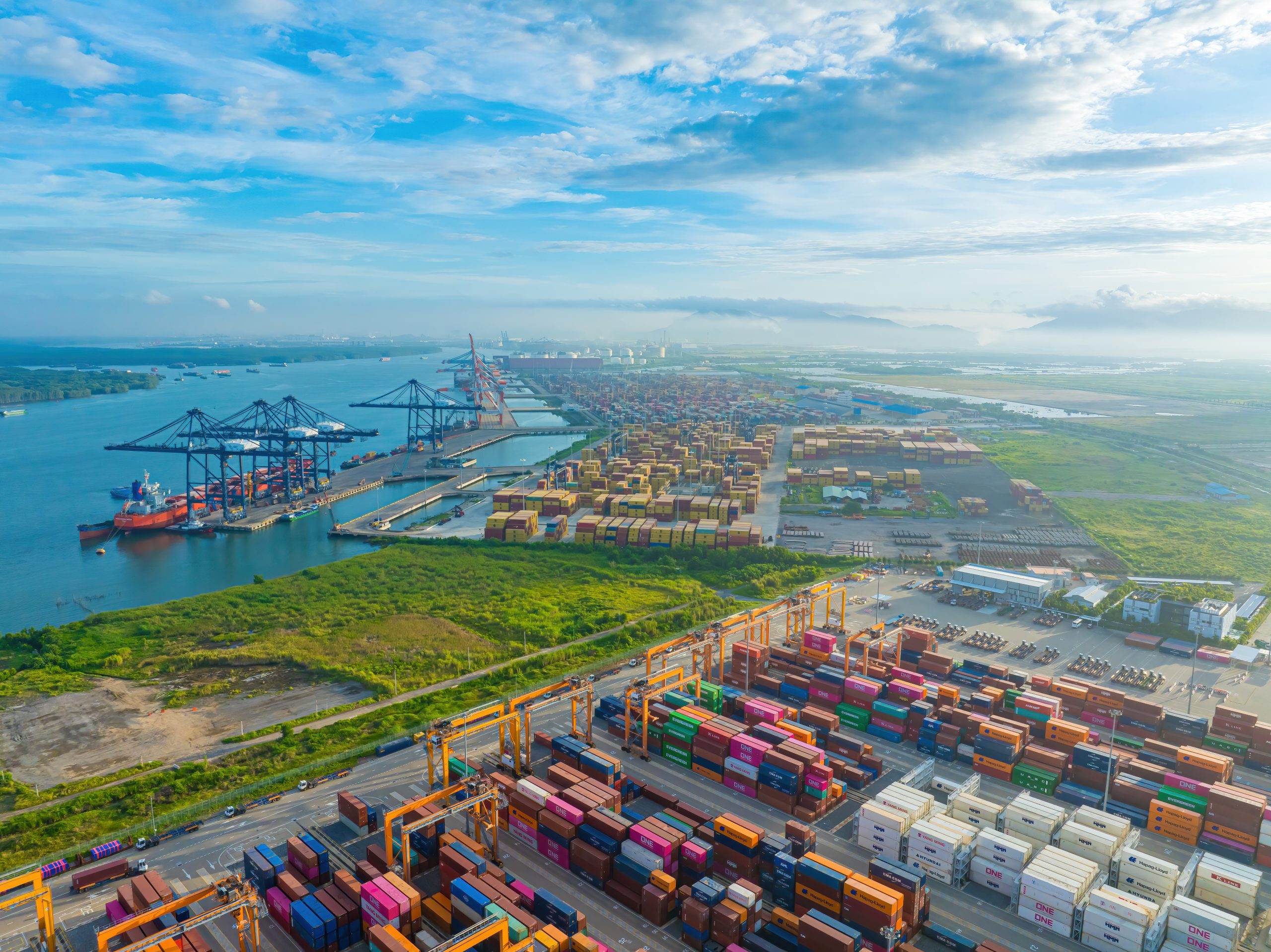
Cai Mep Ha Port
Customs modernization has played a direct role in facilitating this record trade volume. Under the guidance of the Ministry of Finance, the General Department of Customs has accelerated administrative reform. Procedures were streamlined to improve efficiency and transparency.
Moreover, digital transformation became a major productivity driver. By applying information technology, Customs reduced manual intervention and enhanced data connectivity.
The effective operation of the National Single Window and the ASEAN Single Window further streamlined cargo flows. Consequently, goods moved faster and more smoothly across borders.
Business Resilience as the Decisive Factor
Ultimately, the decisive factor behind the $900 billion milestone was the resilience of the business community. Vietnamese enterprises showed strong adaptability. They innovated production models, diversified markets, and improved operational efficiency.
Thanks to these efforts, exporters and importers maintained stable operations and achieved unprecedented trade scale.
Source: Finance and Investment Newspaper
16/1/2026






 VN
VN