 info@mplogistics.vn
 (+84) 28 3811 9033


Escalating tensions in the Middle East are sending shockwaves through the global economy and directly affecting the import–export activities of Ho Chi Minh City. According to recent reports from the Department of Industry and Trade, the geopolitical instability linked to the Middle East conflict has become an immediate challenge for local enterprises.
With maritime routes such as the Red Sea facing disruption, businesses are dealing with longer shipping times and rising logistics costs.
Logistics and Transportation Challenges
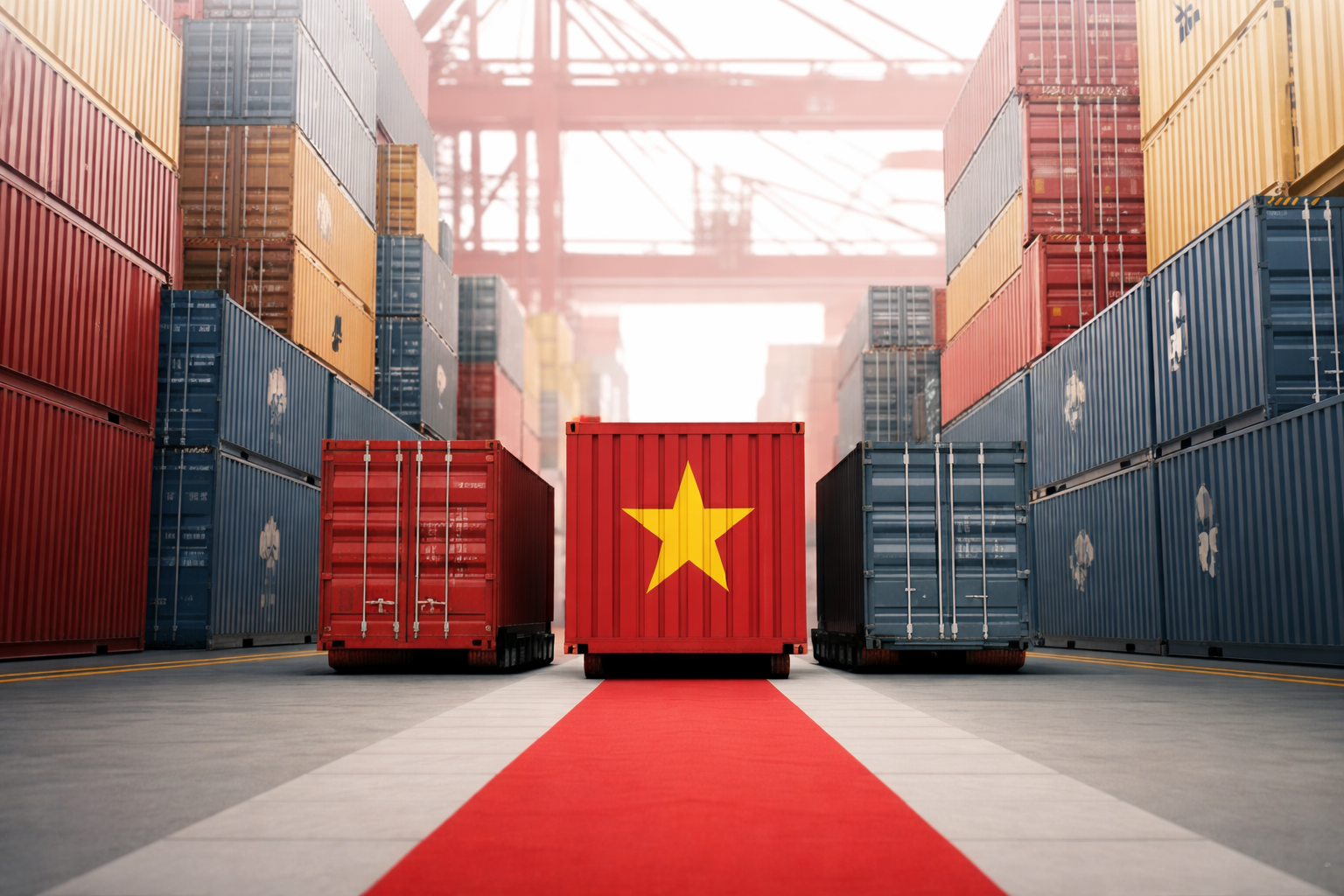
The logistics sector is among the most affected. Major carriers are rerouting vessels around the Cape of Good Hope to avoid security risks.
As a result, transit times have extended by several weeks. Freight rates and war-risk surcharges have also increased significantly. Local ports are now experiencing shortages of empty containers.
Electronics and Semiconductor Components
High-tech industries, particularly electronics and semiconductor manufacturing, are facing supply disruptions. Components imported from Europe are arriving later than expected due to shipping route changes.
To maintain production schedules, many companies have turned to air freight. However, this option significantly increases operational costs and reduces price competitiveness.
Garments and Footwear Industry
Garment and footwear exporters are under pressure to meet strict seasonal delivery timelines. Shipping delays threaten summer collections scheduled for European and U.S. retail markets.
If delivery deadlines are missed, exporters could face order cancellations or financial penalties from global retailers.
Chemicals and Industrial Materials
The chemicals and industrial materials sector is also feeling the effects of global energy volatility. Rising oil prices are pushing up the cost of plastic resins, solvents, and other chemical inputs.
Manufacturers that rely heavily on imported raw materials are experiencing increased production expenses.
Seafood and Food Processing

Seafood exporters, especially those shipping frozen shrimp and pangasius, face higher preservation risks. Refrigerated containers may remain at transit ports longer than expected.
As cold-chain logistics become more constrained, exporters must invest more in storage and temperature control.
Agricultural Product Processing
Agricultural processors targeting markets in the MENA region are encountering financial barriers. Some regional banks have slowed international transaction processing.
These payment delays, combined with logistics disruptions, are putting pressure on export profitability.
Petroleum and Fertilizers

Energy-related industries are seeing immediate impacts from global price fluctuations. Fuel and petrochemical products have become more expensive.
Because these materials serve as key inputs for multiple sectors, rising energy costs are spreading across the broader manufacturing ecosystem.
Wood and Furniture Exports
The wood and furniture industry has not yet seen a sharp decline in orders. However, businesses remain cautious about long-term demand.
If logistics costs remain high due to the ongoing Middle East conflict, consumer spending in major export markets may weaken. This uncertainty is making long-term contract negotiations more challenging for exporters.
Source: VTV Online
05/03/2026





 VN
VN