 info@mplogistics.vn
 (+84) 28 3811 9033


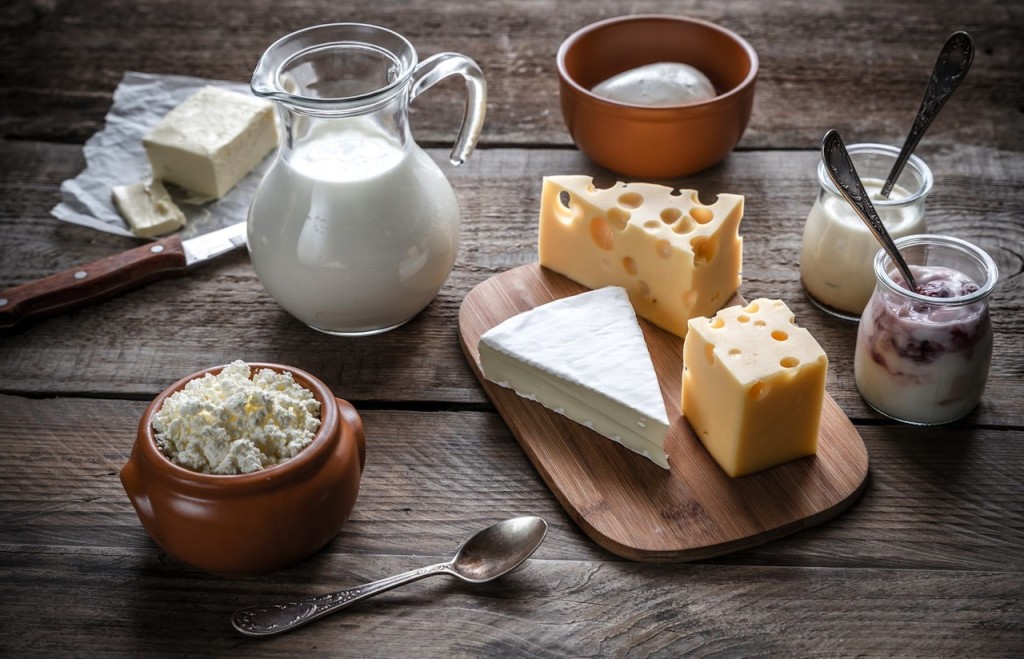
Vietnam’s dairy export industry is entering a new growth phase with the long-term goal of elevating the industry to global standards by 2045. With increasing production capacity, the industry is preparing to expand its international presence.
Vietnam’s Dairy Export: From Volume to Value

A key objective is to raise processed liquid milk output to 9,700 million liters per year by 2045. This target reflects both volume growth and structural transformation. Specifically, the industry is shifting toward modern, large-scale, technology-driven production systems.
At the same time, Vietnam plans to secure 8,000 million liters of domestic fresh milk annually. This supply will cover approximately 80%–85% of total production demand. As a result, stronger raw material self-sufficiency will reduce import dependence. It will also stabilize input costs and limit exposure to global price volatility.
For exporters, this stability improves credibility. Moreover, it strengthens long-term competitiveness in foreign markets.
In addition, producers are investing in automated processing lines and high-tech dairy farming. They are also applying stricter quality management systems. Consequently, Vietnamese dairy products can meet international food safety and traceability standards. Therefore, the industry can compete in higher-value segments instead of relying only on cost advantages.
Building a Sustainable and High-Value Export Strategy
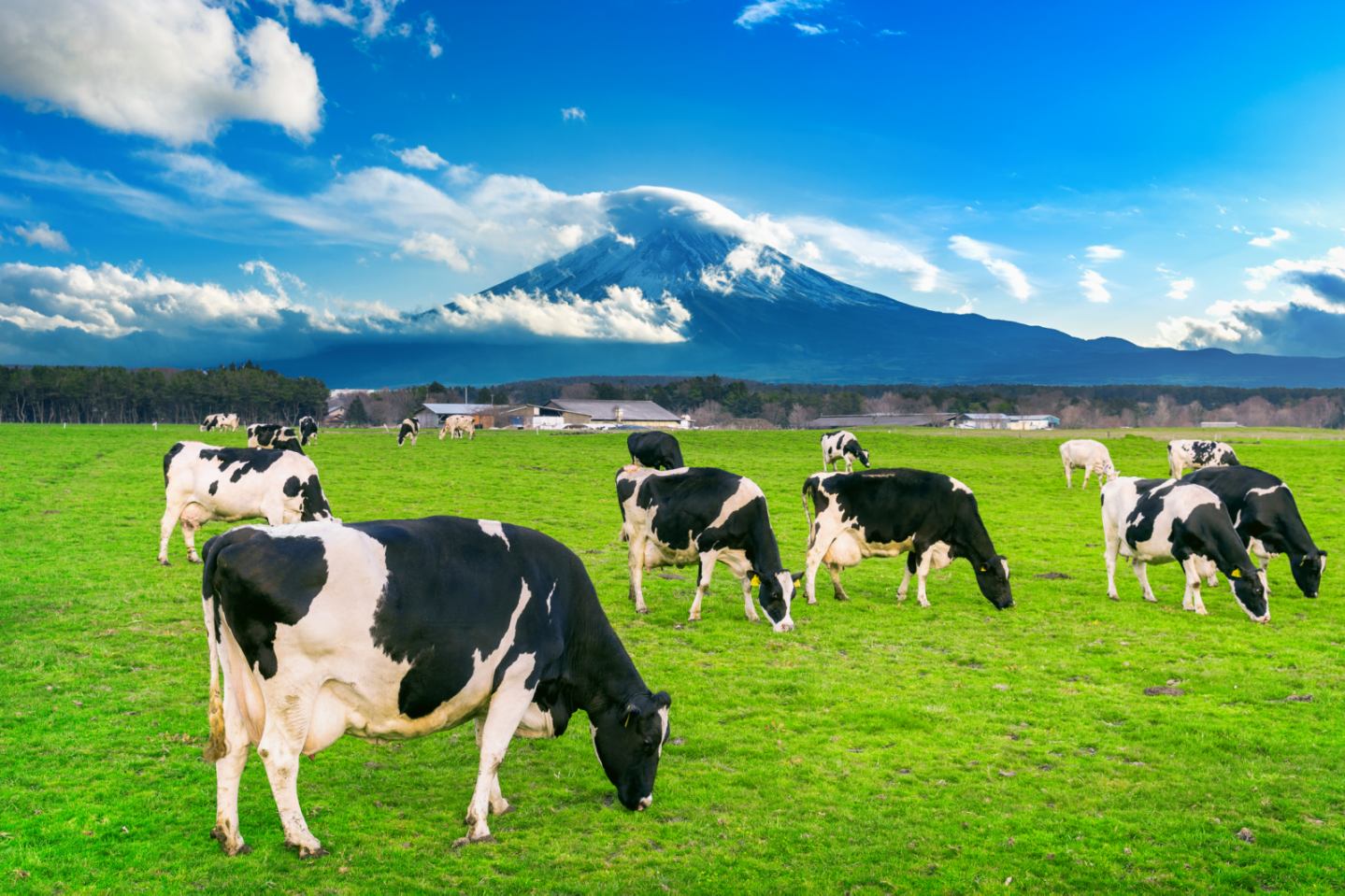
Beyond expanding output, the long-term vision emphasizes value creation and sustainable development. The industry is gradually shifting toward premium dairy products, specialized nutrition lines, and processed goods with stronger margins and brand differentiation.
Sustainability is also embedded in the roadmap. Environmentally responsible farming, efficient resource utilization, and digital integration align the sector with global ESG expectations. These factors increasingly influence trade partnerships and consumer trust in export markets.
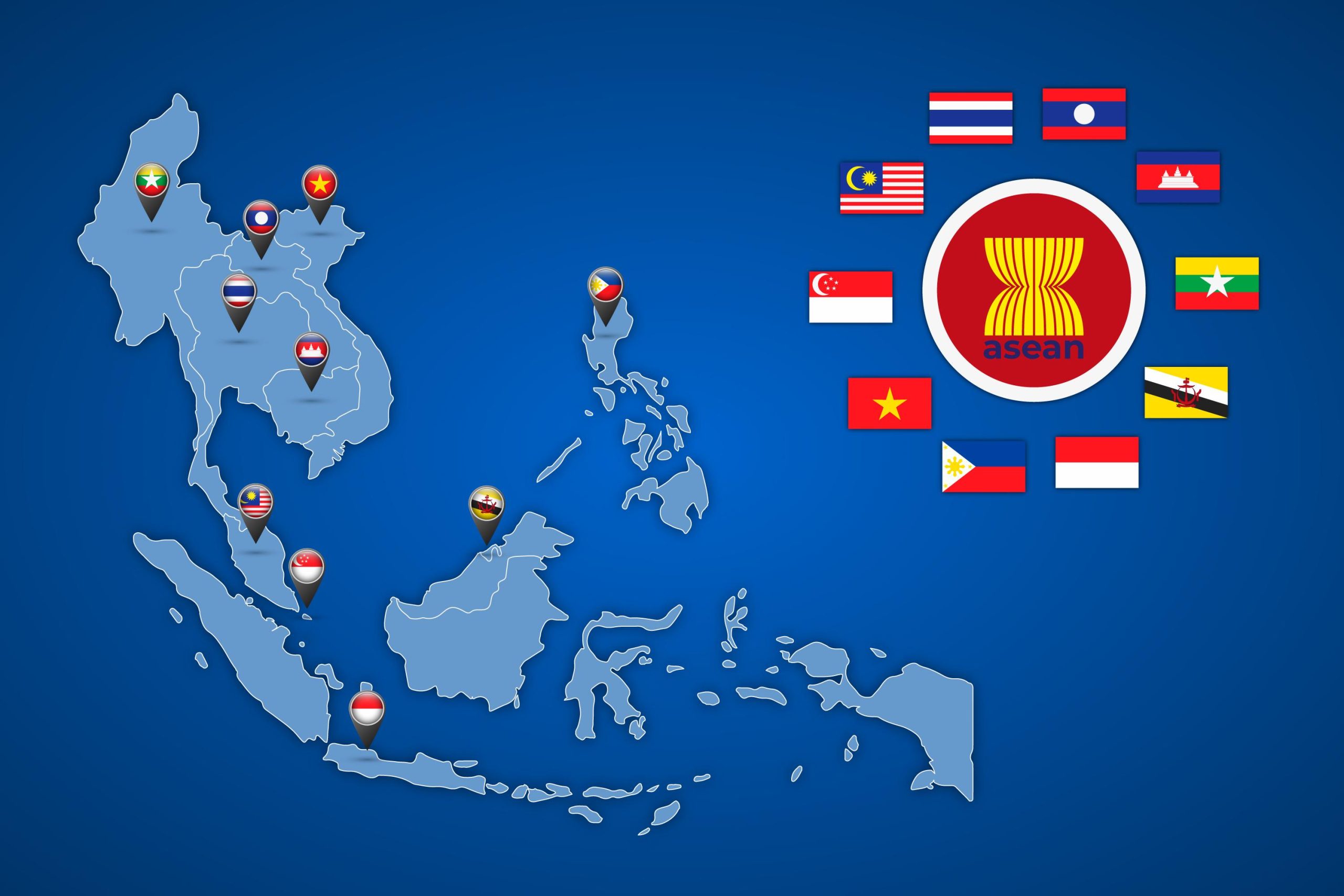
In addition, Vietnam benefits from multiple free trade agreements that provide preferential access to key international markets. When combined with expanding domestic capacity and technological modernization, these agreements create favorable conditions for export growth.
Vietnam’s dairy export is expected to maintain an average annual growth rate of 5%–6% through 2045. By strengthening supply chains, enhancing self-sufficiency, and focusing on sustainable value-added products, Vietnam is positioning its dairy industry for a more prominent role in global trade by 2045.




 VN
VN