 info@mplogistics.vn
 (+84) 28 3811 9033


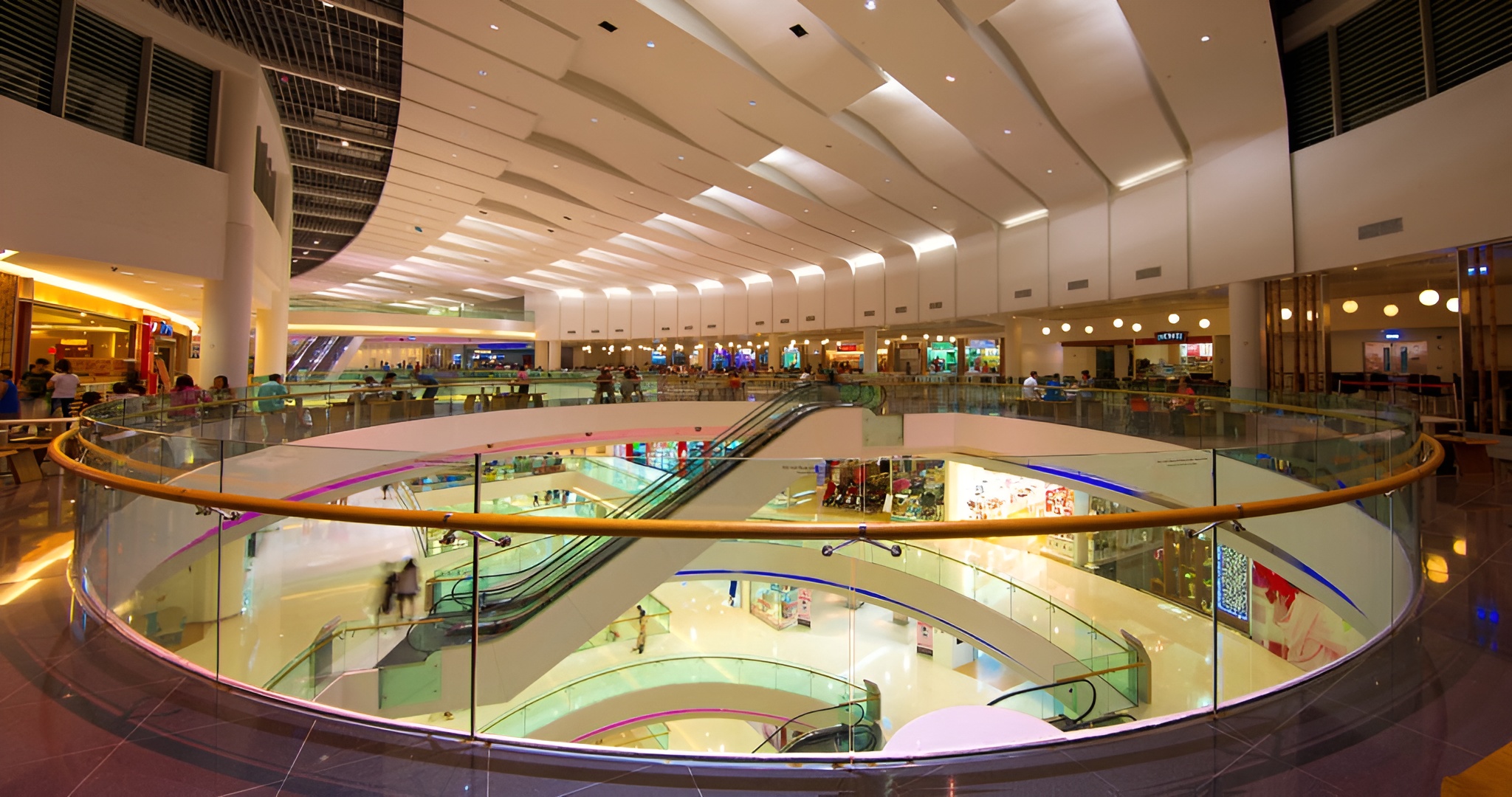
Ho Chi Minh City is accelerating its ambition to become a leading retail hub in ASEAN by developing a modern, digital, and sustainable retail market. The city targets an average annual growth of 12–12.5% in total retail sales and consumer service revenue through 2030. At the same time, it is gradually positioning itself as a regional shopping destination, aligned with broader economic transformation and global consumption trends.
A Turning Point for Retail Growth
Vietnam’s largest economic center is entering a new phase of retail expansion. Not only is consumer demand recovering, but new growth drivers are also emerging across multiple sectors.
For instance, Ho Chi Minh City recorded strong economic momentum in early 2026, with GRDP growth reaching 8.27% in the first quarter—the highest level in five years. This rebound creates a solid foundation for retail expansion in the coming years.
At the same time, the retail sector is evolving beyond traditional formats. Instead of relying solely on physical stores, the city is building an integrated ecosystem that combines e-commerce, urban logistics, and digital payments. As a result, the retail landscape is becoming more dynamic, interconnected, and experience-driven.
Clear Growth Targets and Strategic Direction
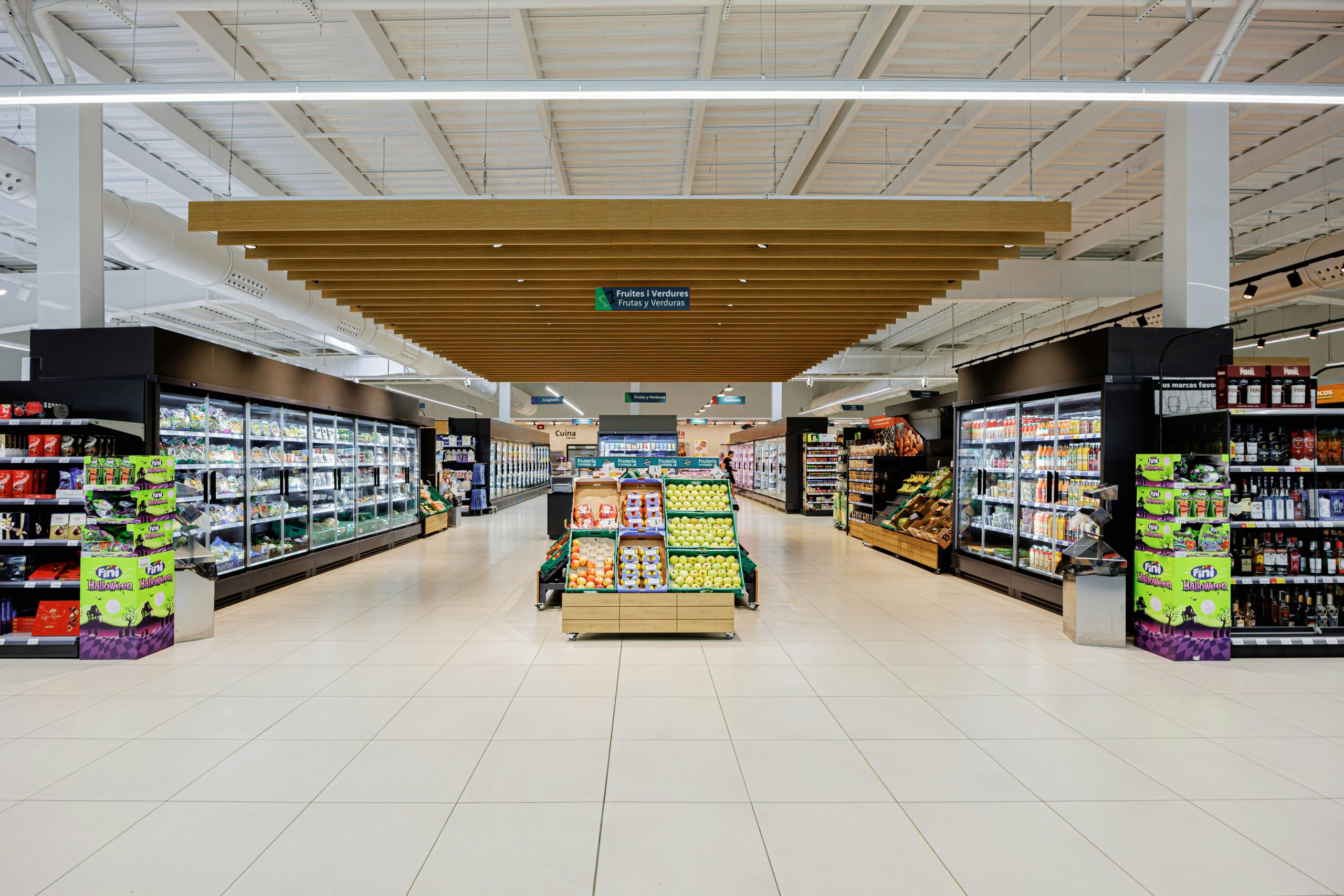
To sustain this momentum, Ho Chi Minh City has set out clear and measurable targets. Retail sales and consumer service revenue are expected to grow at double-digit rates, contributing significantly to the city’s GRDP growth of 10–11% annually.
More importantly, digital transformation plays a central role in this strategy. By 2030, e-commerce is projected to account for around 20% of total retail sales. In addition, the digital economy is expected to contribute 30–40% of GRDP. At least 50% of small and medium-sized enterprises will participate in online platforms, further accelerating market expansion.
Looking further ahead, the city aims to build a retail ecosystem where data, AI, and automation enhance efficiency. Consequently, consumer experiences will improve, while businesses can scale more effectively in both domestic and international markets.
Logistics as a Critical Enabler
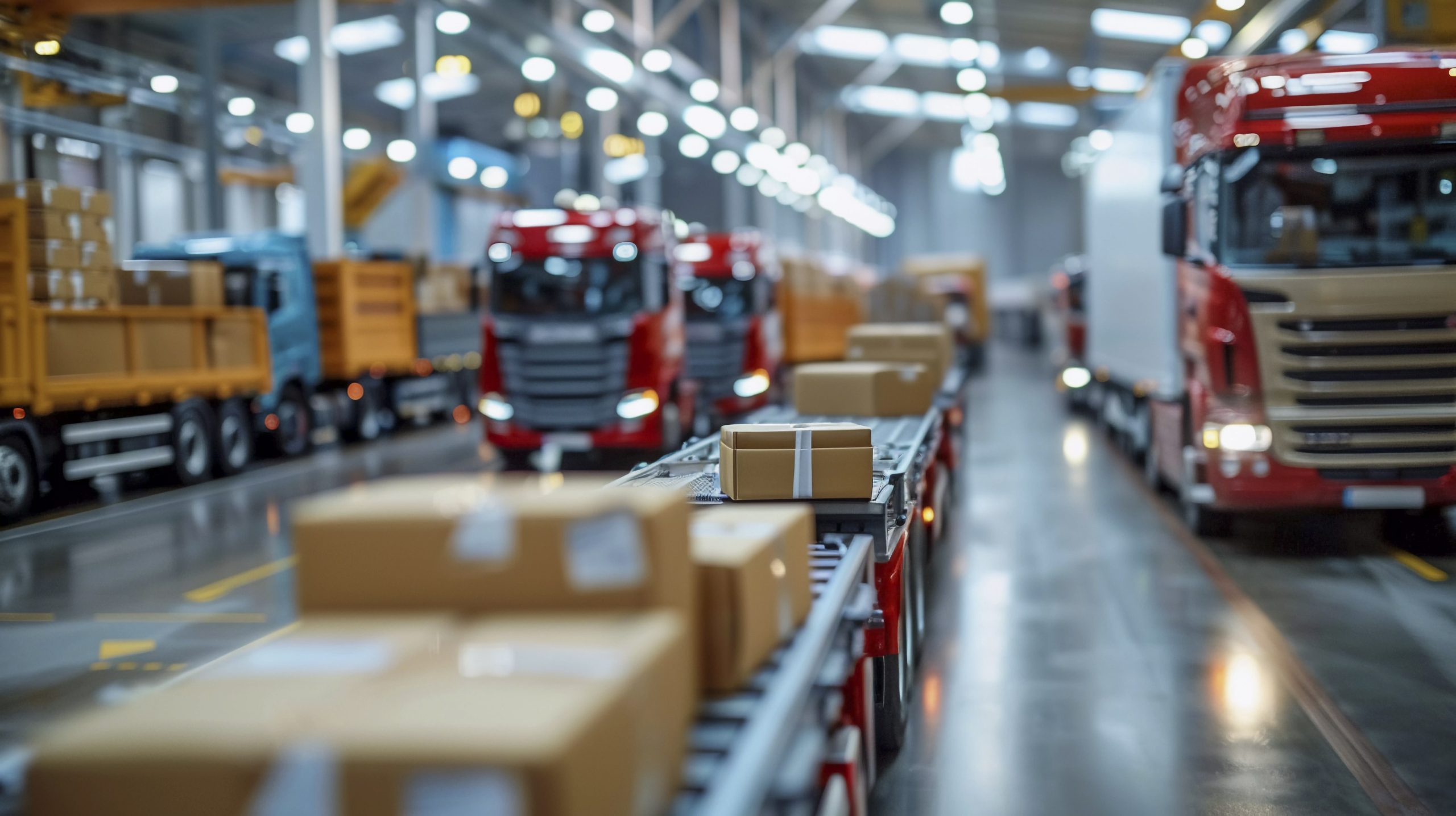
Alongside digitalization, logistics infrastructure plays a crucial role in supporting retail growth. Therefore, Ho Chi Minh City plans to develop at least 36 logistics centers, aligned with green, smart, and transparent standards.
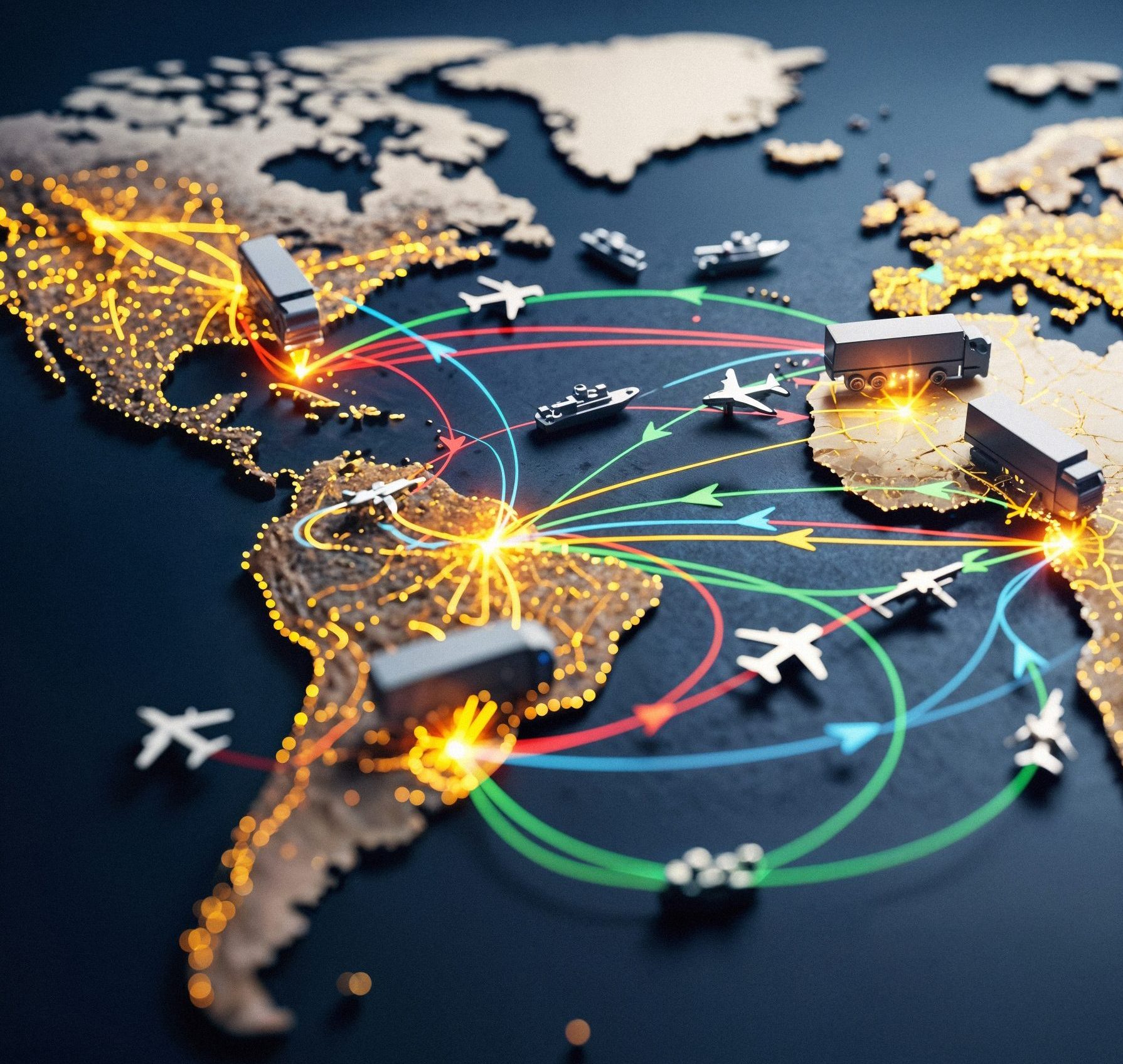
In addition, the city is integrating logistics with urban data systems and supply chains. This approach ensures better traceability, faster delivery, and improved inventory management. As a result, businesses can reduce costs while maintaining higher service quality.
Moreover, the expansion of logistics is closely linked to the development of modern retail formats. Shopping malls, commercial streets, and night-time economy zones will continue to grow, creating a more vibrant consumption environment.
Overall, Ho Chi Minh City’s retail strategy reflects a broader shift toward a digital and service-driven economy. By combining strong growth targets, digital transformation, and advanced logistics, the city is building a solid foundation for long-term competitiveness.
However, achieving ASEAN leadership will require continuous investment, policy support, and innovation. If these factors align, Ho Chi Minh City can strengthen its position as a regional retail hub and become a key player in Southeast Asia’s evolving consumer landscape.
Source: VnEconomy
01/04/2026





 VN
VN