 info@mplogistics.vn
 (+84) 28 3811 9033


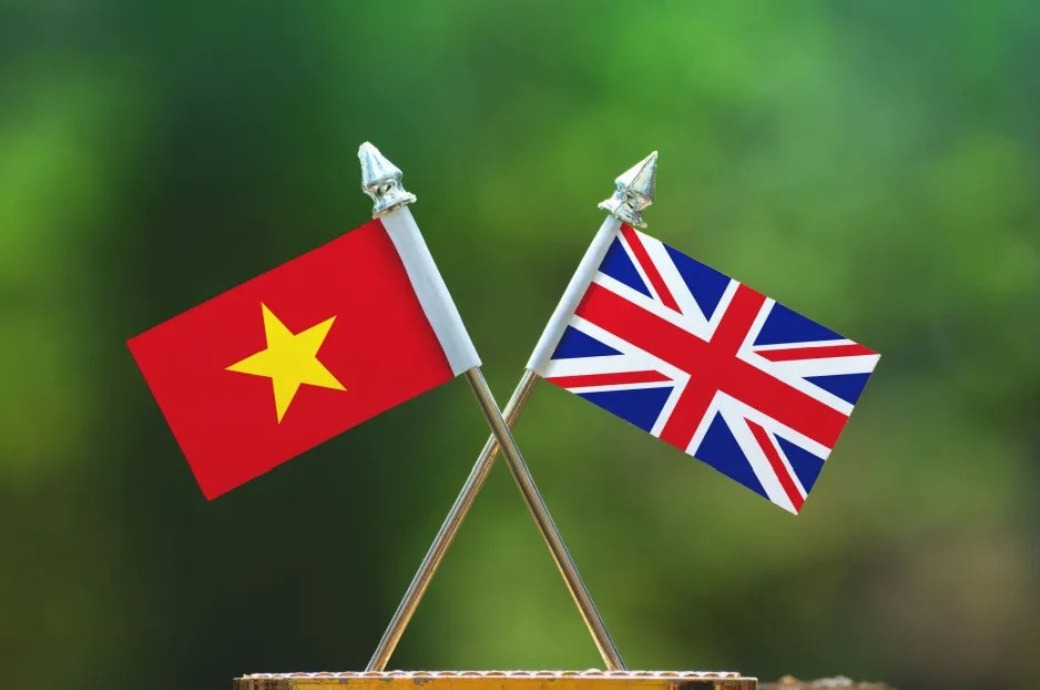
The United Kingdom’s accession to the CPTPP marks an important shift in global trade. For Vietnam, this development creates new export opportunities in a high-value market. At the same time, it places logistics and supply chains at the center of trade expansion.
CPTPP is more than a trade agreement. It is a strategic framework that supports market access, tariff reduction, and trade facilitation. As a result, Vietnamese exporters can approach the UK market with stronger cost advantages and clearer trade rules.
1. CPTPP Relevant to Exports
1.1 Expanded Tariff Preferences
One of the core pillars of CPTPP is the gradual elimination of tariffs across a wide range of product categories among member economies, including Vietnam and the UK. As a result, Vietnamese exporters can benefit from preferential or zero import tariffs when exporting to the UK, provided that the CPTPP rules of origin are met.
This tariff advantage significantly enhances competitiveness, particularly for key Vietnamese export sectors such as textiles and garments, electronics, seafood, and agricultural products—industries that already play a central role in Vietnam’s export structure.
1.2 Clearer and More Flexible Rules of Origin
CPTPP introduces a comprehensive and transparent framework for rules of origin, allowing for value accumulation across member countries. This provision is especially valuable for Vietnamese enterprises, as it enables greater flexibility in sourcing raw materials from CPTPP members while still qualifying for preferential treatment when exporting to the UK.
By optimizing sourcing strategies within the CPTPP network, exporters can increase local value content and ensure compliance with origin requirements.
1.3 Trade Facilitation and Procedural Transparency
The agreement also emphasizes trade facilitation by enhancing transparency in customs procedures, promoting electronic declarations, and reducing administrative barriers to cross-border trade.
These commitments create a more predictable and efficient operating environment for logistics providers and supply chain stakeholders.
2. Impacts on Logistics, Trade Operations, and Supply Chains

2.1 Rising Demand for Professional Logistics Services
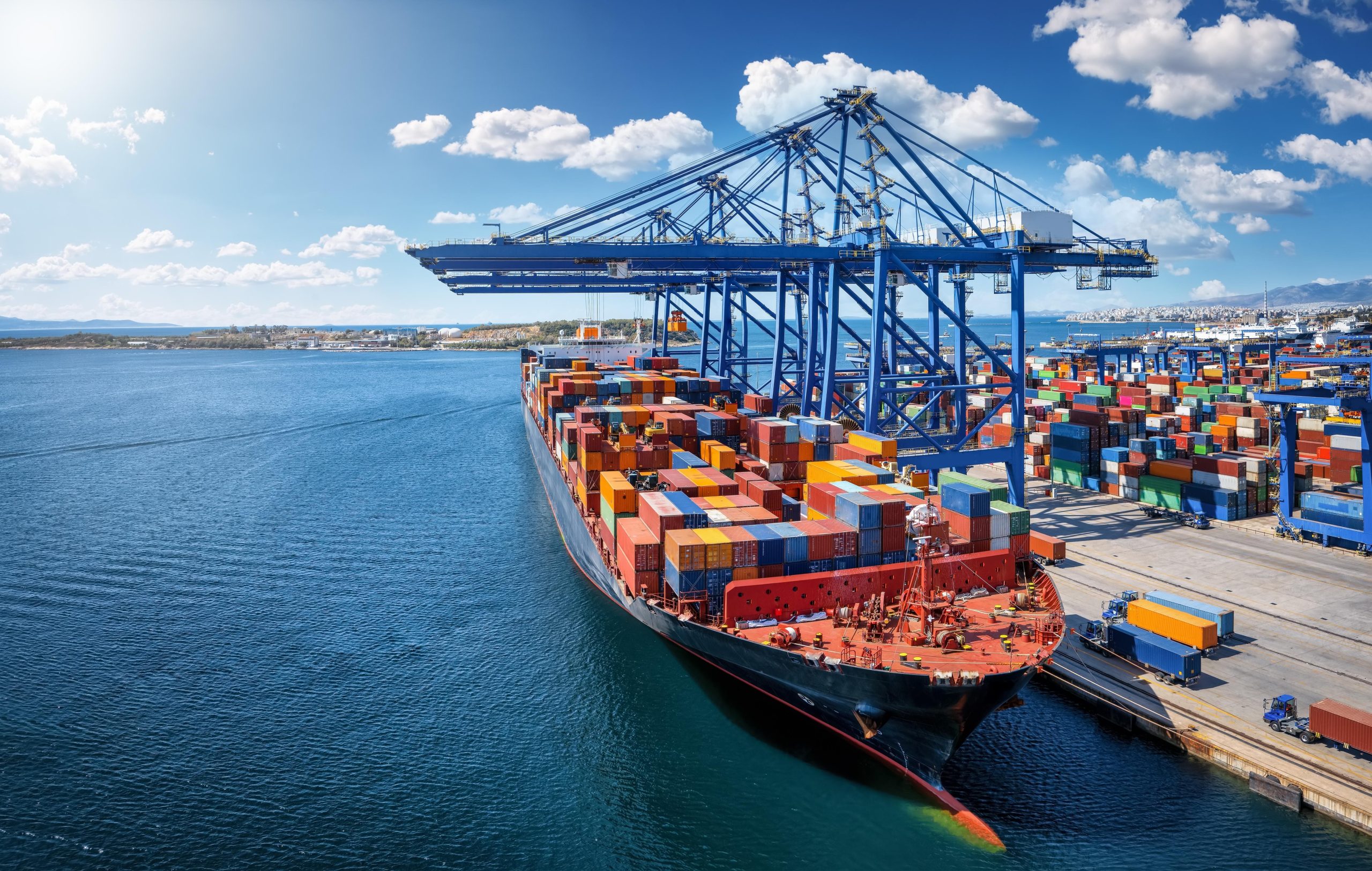
As exports to the UK expand under CPTPP, logistics activity is expected to increase substantially. Higher export volumes translate into growing demand for international transportation, warehousing, consolidation services, and customs clearance.
Logistics providers must therefore strengthen capacity across multiple transport modes-including sea freight, air freight, and multimodal solutions accommodate increasing trade flows between Vietnam and the UK.
2.2 Higher Technical Requirements in Export Procedures
CPTPP tariff preferences are not automatically granted. Exporters must strictly comply with rules of origin to prove eligibility for preferential tariffs upon entry into the UK market. This requirement places greater emphasis on document control, origin traceability systems, and close coordination with logistics partners to ensure accurate and timely issuance of certificates of origin (C/O).
Any lack of compliance or procedural errors can result in the loss of tariff benefits, leading to higher logistics costs and reduced competitiveness in the destination market.
2.3 Reshaping Global Supply Chains
CPTPP encourages Vietnamese enterprises to reassess their supply chain configurations—from raw material sourcing to transportation partners. The ability to source inputs from CPTPP member countries reduces dependency on single markets and enhances supply chain resilience against global disruptions.
Furthermore, CPTPP promotes the adoption of technology in customs and logistics management, including electronic documentation, automated warehousing, and real-time shipment tracking. These trends accelerate digital transformation across the logistics and trade ecosystem.
Source: Vietnam Industry and Trade Magazine
5/1/2026





 VN
VN