 info@mplogistics.vn
 (+84) 28 3811 9033


Vietnam agri export is entering a new growth cycle and sets a bold target of USD 73–74 billion in export value by 2026. This ambition reflects a shift in export strategy. Vietnam no longer focuses only on volume. Instead, it prioritizes product quality, deeper processing, and stronger market access. At the same time, global supply chains are changing fast. Therefore, Vietnam must improve competitiveness and sustainability to secure long-term export growth.
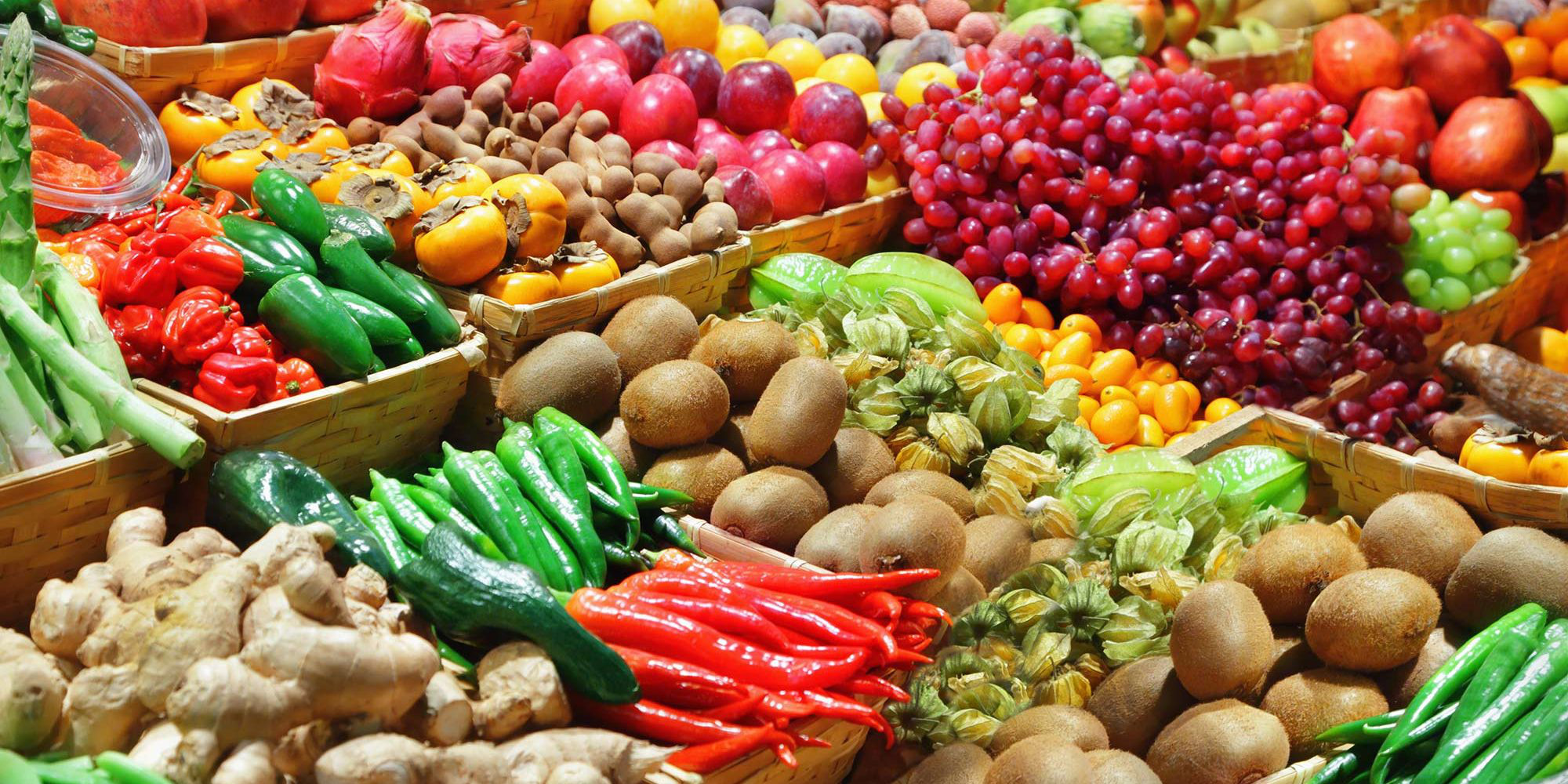
Vietnam Agri Export as a Key Economic Growth Driver
Agriculture, forestry, and fisheries exports remain a major pillar of Vietnam’s economy. The sector supports trade surplus, rural employment, and income stability for millions of households. As a result, the government continues to treat export performance as a national priority.
Vietnam has built strong export strengths in key product groups. These include rice, coffee, seafood, fruits and vegetables, and wood products. Many of them already hold solid positions in global markets. However, export growth now requires more than expanding output. Vietnam needs to improve the quality and meet stricter import standards.
In addition, Vietnam must strengthen branding and compliance. Many high-value markets demand traceability, food safety certification, and sustainability practices. Therefore, Vietnam agri export growth will depend on modern farming models, stronger inspection systems, and consistent product standards.
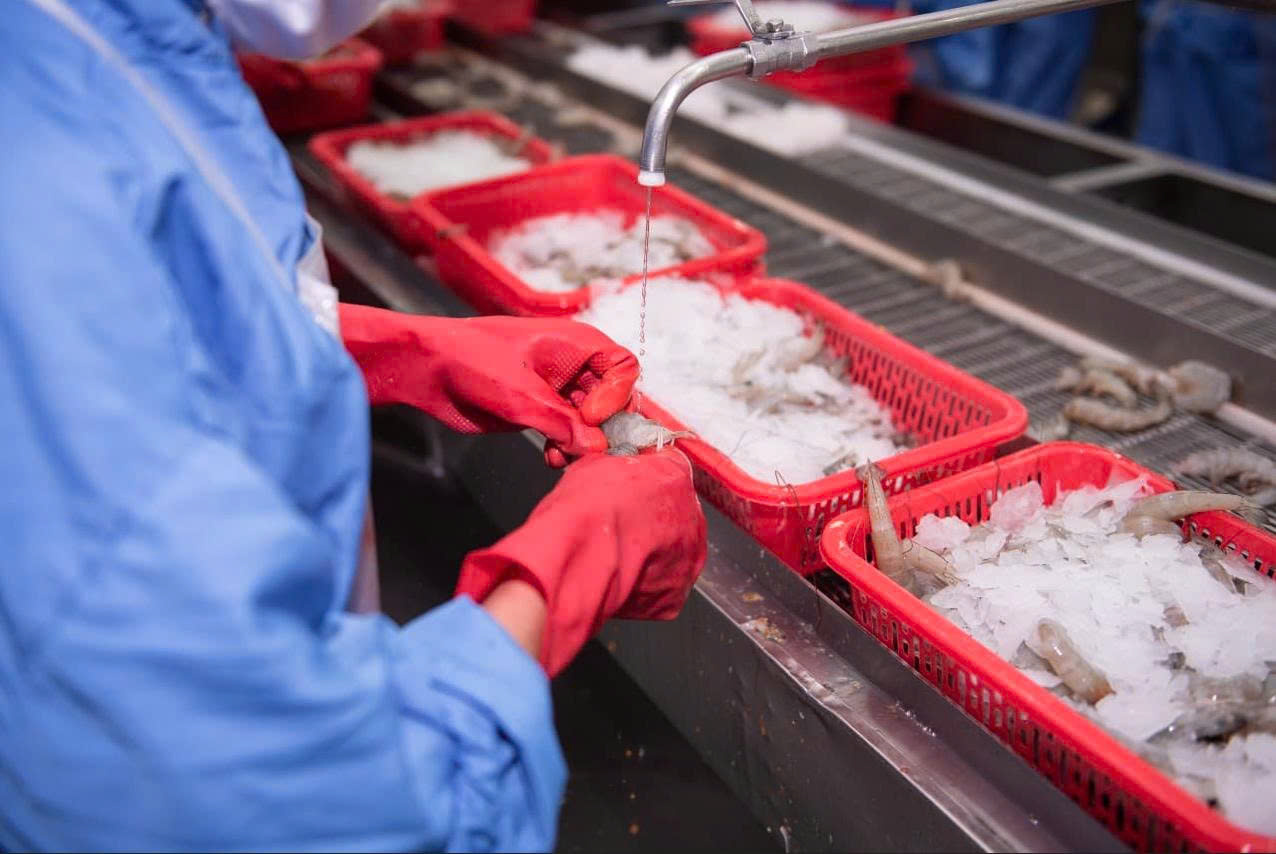
Market Diversification and Higher-Value Export Structure
Global trade remains uncertain. Freight costs, geopolitical risks, and technical barriers can disrupt export flows at any time. For that reason, Vietnam is accelerating market diversification. This approach helps reduce dependence on traditional destinations. It also supports a more stable export demand.
Free trade agreements play an important role in this transition. Agreements such as EVFTA, CPTPP, and RCEP provide better tariff conditions and open access to stricter but higher-value markets. Thanks to these frameworks, exporters can improve competitiveness and expand distribution channels.
At the same time, Vietnam is adjusting its export structure. The sector is moving toward processed and semi-processed products instead of raw exports. This shift increases export value and reduces risk from price volatility. It also supports stronger resilience during demand shocks.
In short, Vietnam agri export growth will rely on two key directions: entering more markets and exporting more value per shipment.
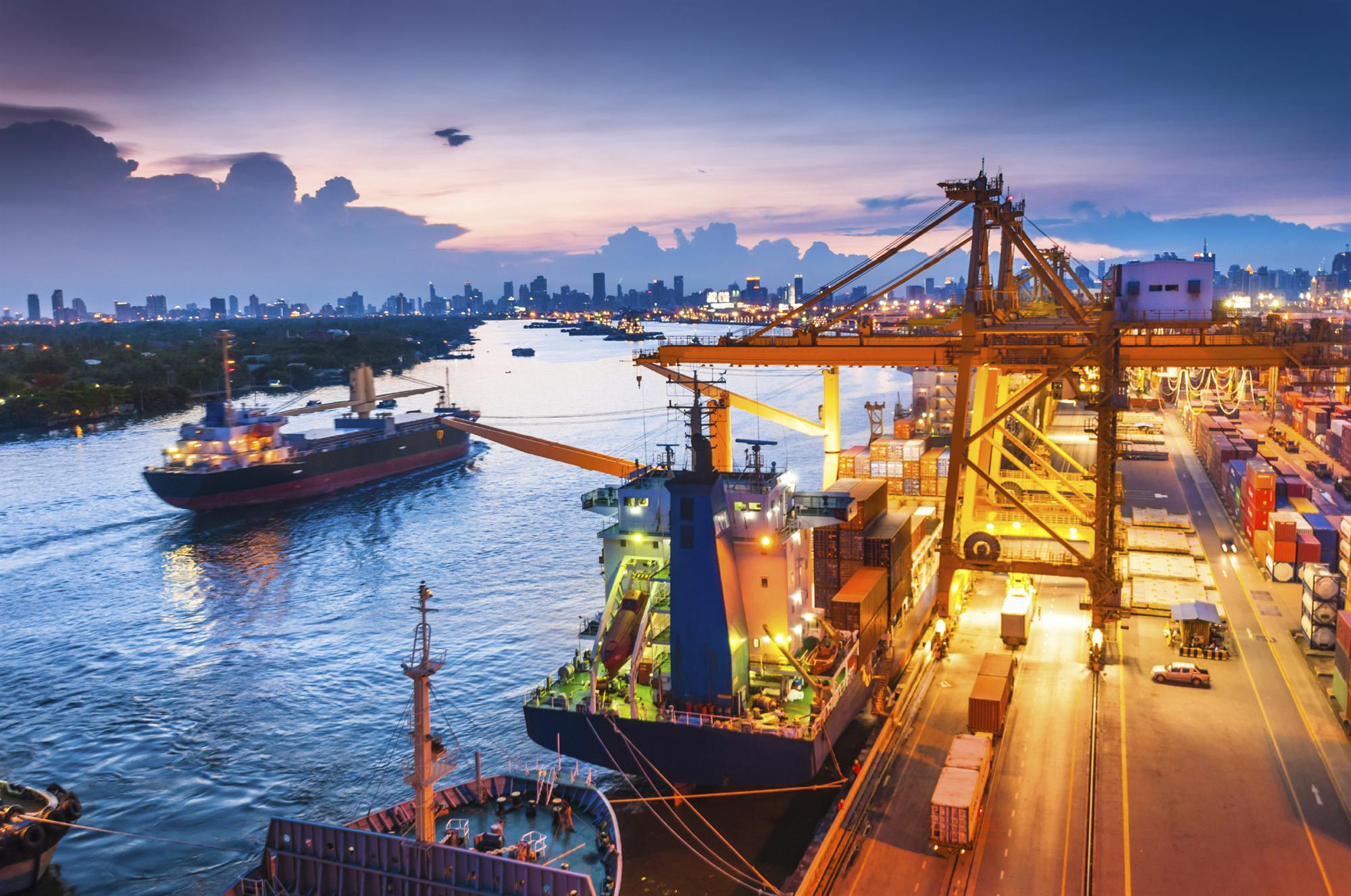
Logistics, Processing Upgrades, and Sustainable Export Growth
Logistics efficiency directly affects export competitiveness. Many agricultural products require fast delivery and stable storage conditions. Therefore, Vietnam needs stronger cold-chain systems, modern warehouses, and specialized logistics services.
Investments in cold storage, packaging, and transport help reduce post-harvest losses. They also improve product quality at destination markets. As a result, exporters can meet higher standards and reduce claims or rejections.
Processing capacity is another critical factor. When Vietnam increases deep processing, it can create higher-margin products. It can also extend shelf life. This benefit supports long-distance exports and reduces waste.




 VN
VN