 info@mplogistics.vn
 (+84) 28 3811 9033


Amid globalization and deeper international integration, Vietnam is undergoing a significant shift in its Economic Structural Transformation. The country is moving steadily toward industrialization and modernization. In 2025, this transition becomes more evident as agriculture’s share continues to decline. At the same time, services and manufacturing are expanding at a rapid pace. As a result, Vietnam is gradually reshaping its growth model to align with global economic trends.
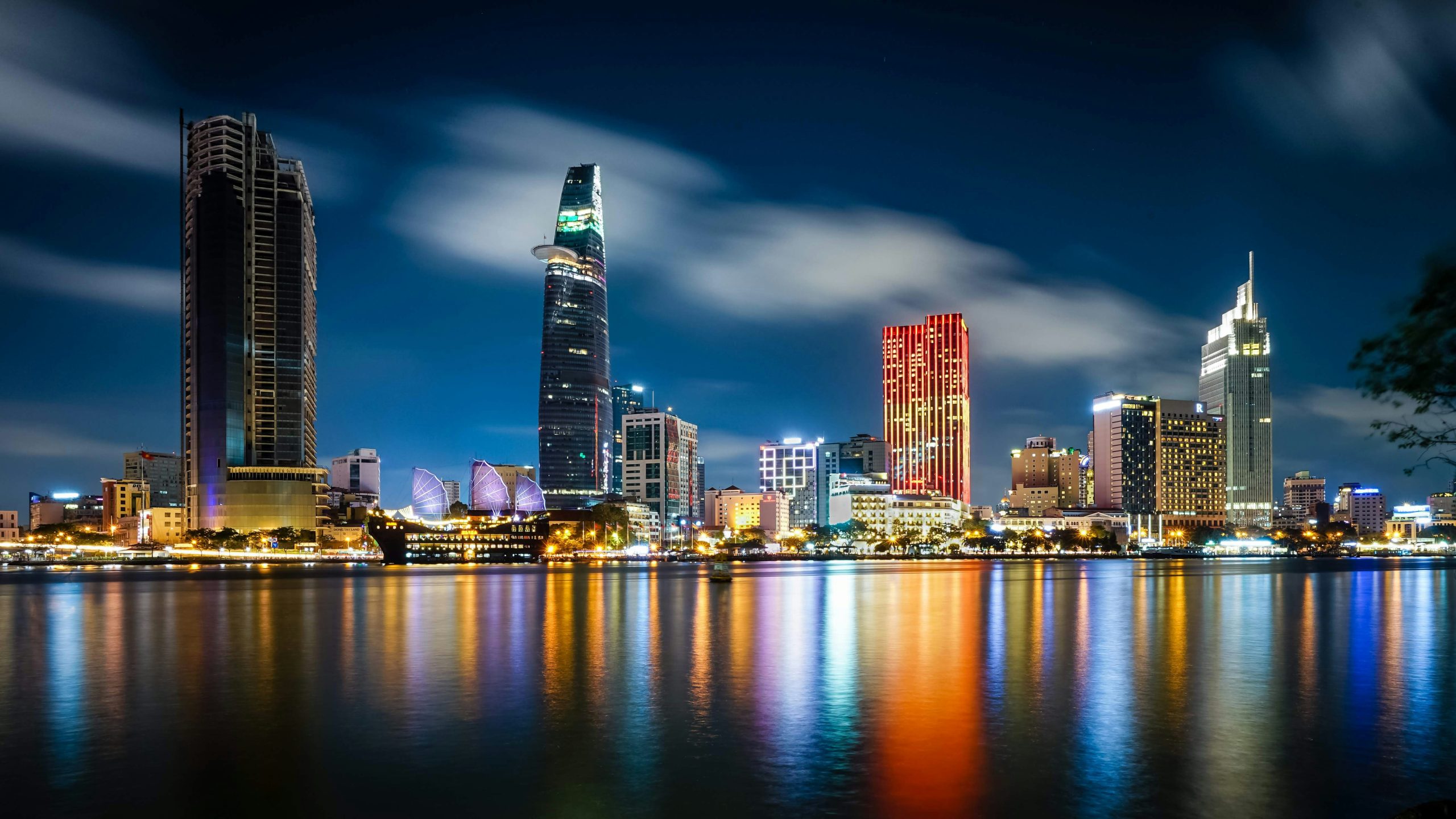
Overview of Vietnam’s Economic Transformation
Vietnam’s economic structure has changed noticeably over recent years. In 2025, the service sector accounts for approximately 42.75% of GDP, making it the largest contributor. Meanwhile, industry and construction contribute around 37.65%, reinforcing their role as key growth pillars.
More importantly, the economy is shifting from low-value activities toward higher-value sectors. For instance, logistics, the digital economy, and tourism continue to grow strongly. In parallel, the industrial sector is moving beyond basic assembly toward processing, manufacturing, and medium- to high-tech production.
Furthermore, this transformation is not limited to major cities. Across provinces, local governments are promoting industrial and service development. As a result, rural areas are also experiencing structural change, supported by increased investment and business expansion.
Persistent Challenges and Limitations

However, several structural issues remain unresolved. First, labor productivity in agriculture is still low. Although the sector employs a large share of the workforce, it contributes less to GDP. Therefore, Vietnam needs to accelerate labor shifts into higher-productivity sectors.
In addition, the industrial sector still relies heavily on processing and assembly. Supporting industries remain underdeveloped, which limits value creation. At the same time, inefficiencies in investment persist. Many projects face issues such as waste and suboptimal capital allocation.
Moreover, the service sector, despite its growth, consists largely of small and fragmented businesses. This limits scalability and competitiveness. Technology transfer from foreign-invested enterprises to domestic firms also remains limited. Consequently, the overall spillover effect of FDI has not reached its full potential.
Impacts on Vietnam and the Global Economy
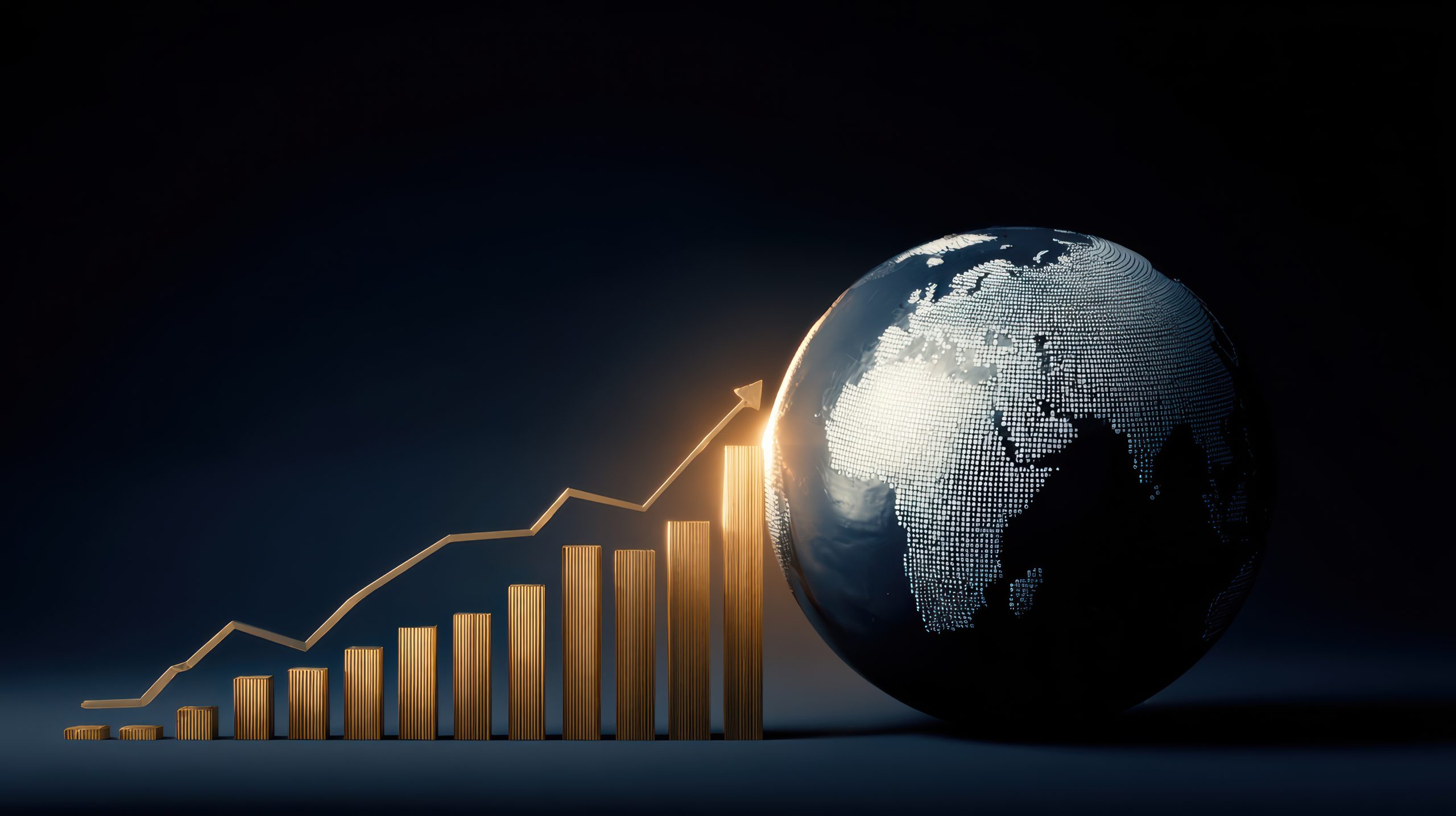
The ongoing transformation is reshaping Vietnam’s economic position. Domestically, it helps improve resilience and diversify growth drivers. As Vietnam reduces its reliance on agriculture, it can better adapt to global demand shifts.
At the same time, the rise of high-value services and manufacturing strengthens Vietnam’s role in global supply chains. For example, the country is becoming an important hub for electronics, textiles, and logistics in Southeast Asia.
Globally, Vietnam’s transformation contributes to supply chain diversification. As multinational companies seek alternatives to traditional manufacturing centers, Vietnam emerges as a competitive destination. Therefore, this shift not only benefits Vietnam but also supports broader regional economic stability.
Overall, Vietnam’s economic structural transformation is moving in the right direction. The country continues to expand its service and industrial base while reducing its dependence on agriculture.
To sustain this momentum, Vietnam must address key challenges. Improving labor productivity, strengthening supporting industries, and enhancing investment efficiency will be critical. If these issues are resolved, Vietnam can accelerate its journey toward a modern, high-value economy and strengthen its position in the global market.
Source: VnEconomy
31/3/2026





 VN
VN