 info@mplogistics.vn
 (+84) 28 3811 9033


In the face of ongoing geopolitical instability and shifting economic tides, the global logistics industry is undergoing a radical transformation. Leaders in the sector are no longer waiting for stability; instead, they are aggressively adopting Artificial Intelligence (AI) and slashing operational costs to stay competitive in an increasingly unpredictable world.
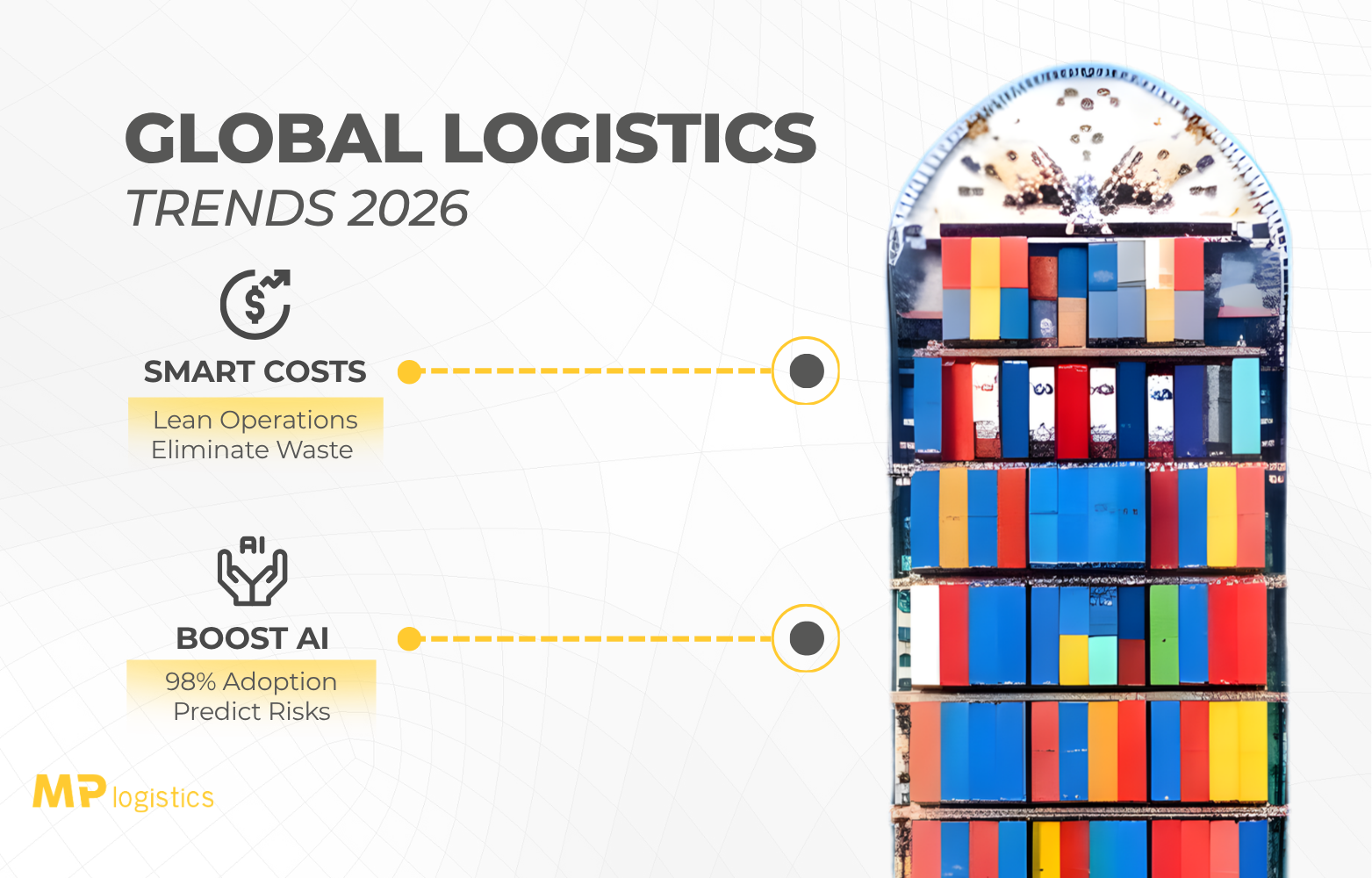
Navigating the “New Normal” in global logistics
According to the 2026 Agility Emerging Markets Index, volatility has transitioned from a temporary hurdle to a permanent fixture in the trade landscape. Consequently, global logistics executives are shifting their focus from short-term crisis management to long-term structural resilience.
A comprehensive survey conducted by Agility and Ti Insights reveals that 86% of industry professionals expect market turbulence to persist or even intensify throughout 2026. To counter these persistent challenges, companies are now prioritizing three core pillars:
- Aggressive cost control.
- Supply chain reconfiguration.
- The rapid deployment of advanced technology.
The engine of Logistics 4.0
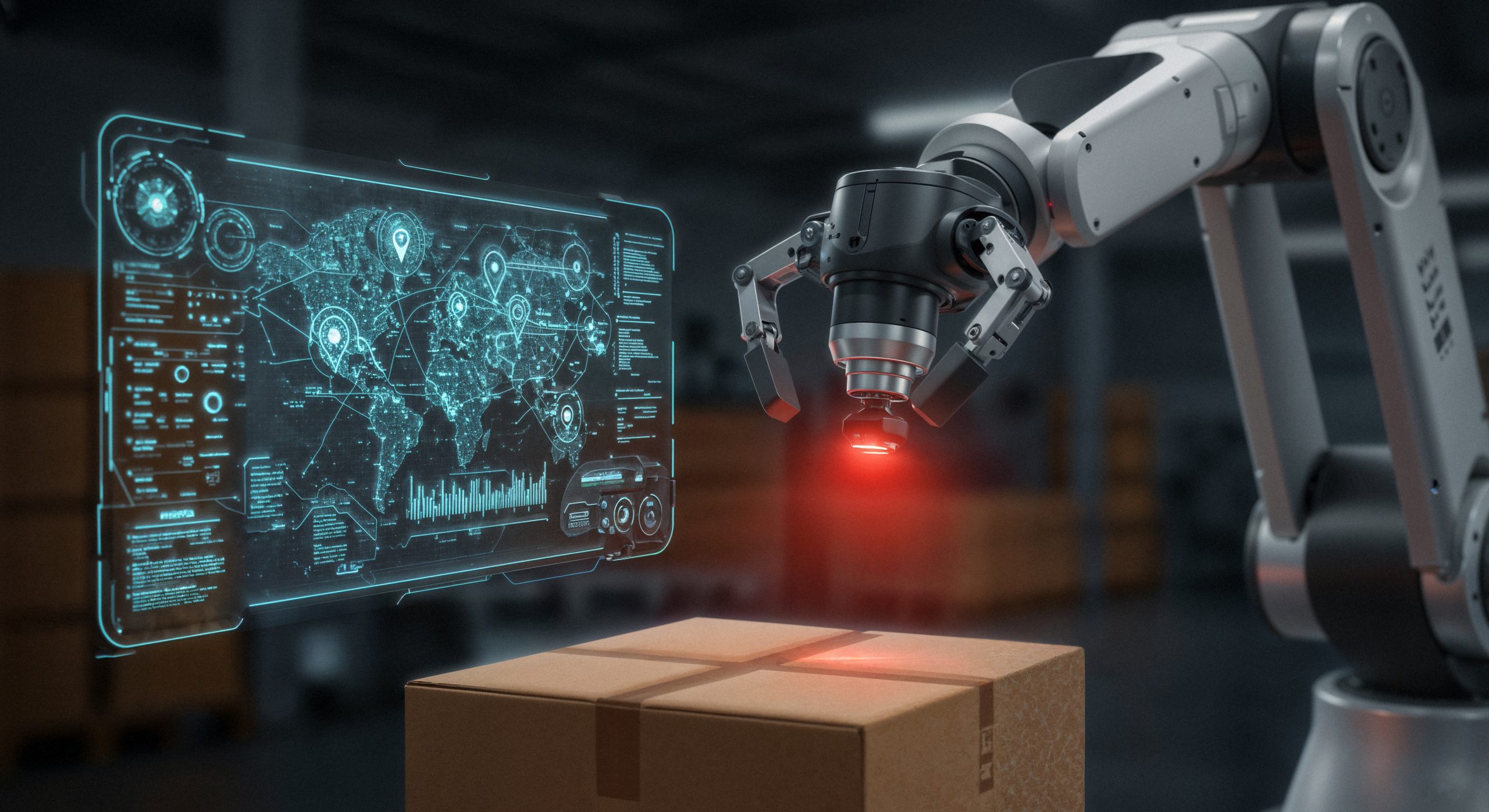
The most significant takeaway from this year’s data is the near-universal adoption of technology. Indeed, AI within global logistics has moved from a futuristic concept to a daily operational necessity.
- Massive Adoption: A staggering 98% of surveyed businesses report using AI to manage at least one segment of their supply chain.
- Operational Efficiency: AI tools are now vital for predicting demand, optimizing delivery routes, and automating warehouse management, which significantly reduces overhead.
- Real-time Adaptation: Furthermore, technology allows firms to react instantly to trade barriers and energy price fluctuations, providing a vital competitive edge.
Tarek Sultan, Vice Chairman of Agility Global, noted that AI serves as both a driver of change and a critical tool for managing it. He emphasized that there is “no longer a comfort zone” for businesses that fail to innovate.
Reconfiguring global logistics

The global logistics landscape continues to transform due to the lingering effects of the pandemic, US-China trade tensions, and the tariff waves of 2025. As a result, businesses are moving away from traditional, centralized models. Instead, they are gravitating toward more localized and diversified sourcing strategies.
However, John Manners-Bell, CEO of Ti Insights, warns of a growing “digital divide.” While leading firms are thriving, the uneven implementation of digital tools—often due to skill shortages and capital constraints—remains a significant risk for many emerging markets.
2026 Emerging markets rankings
The 17th annual index ranked 50 emerging economies based on their global logistics strengths, business environment, and digital readiness.
- Ukraine surged 7th spots to 31st, reflecting incredible resilience despite adversity.
- Cambodia and Pakistan saw significant declines, dropping to 37th and 38th, respectively, due to infrastructure and policy challenges.
The 2026 outlook for the global logistics sector is clear: adaptability is the only currency that matters. By embracing AI and refining supply chain structures, global players are learning to operate efficiently right through the heart of uncertainty.
Source: VNExpress
24/02/2026






 VN
VN