 info@mplogistics.vn
 (+84) 28 3811 9033


The issuance of Decree 320/2025/ND-CP marks a new era for the Vietnam seafood industry, providing vital clarity on corporate income tax incentives for processing activities
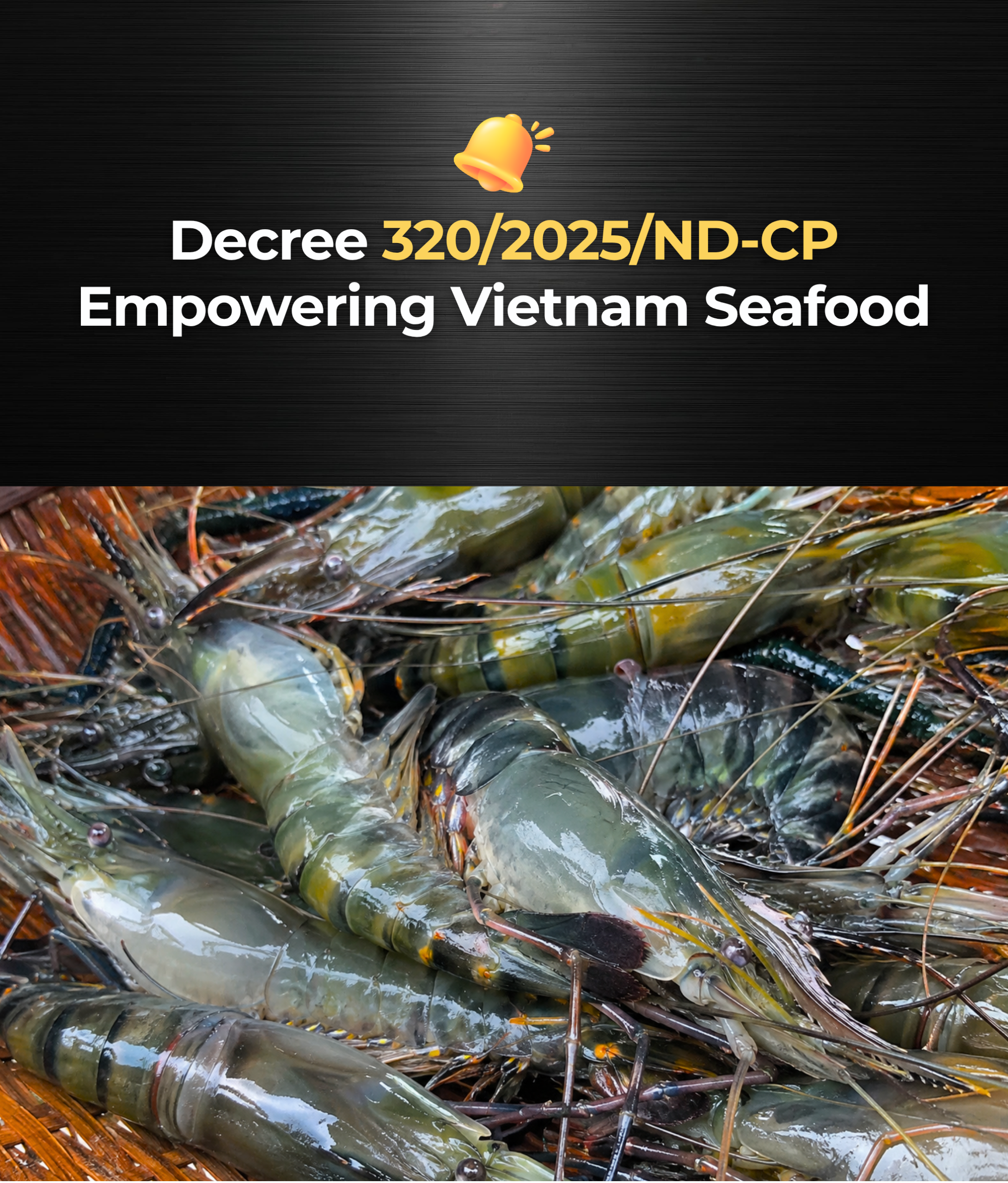
More than a technical legal adjustment, the decree is widely viewed as a strategic policy breakthrough that strengthens investor confidence, supports long-term industrial growth, and reinforces Vietnam’s position in the global seafood export market.
At a time when global economic uncertainty, rising production costs, and increasing trade competition are placing pressure on exporters, timely policy reforms play a critical role in sustaining industrial competitiveness. For Vietnam’s seafood industry, Decree 320/2025/ND-CP arrives at a crucial moment, offering both legal clarity and financial support to businesses navigating an increasingly demanding international market.
Resolving long-standing policy ambiguities
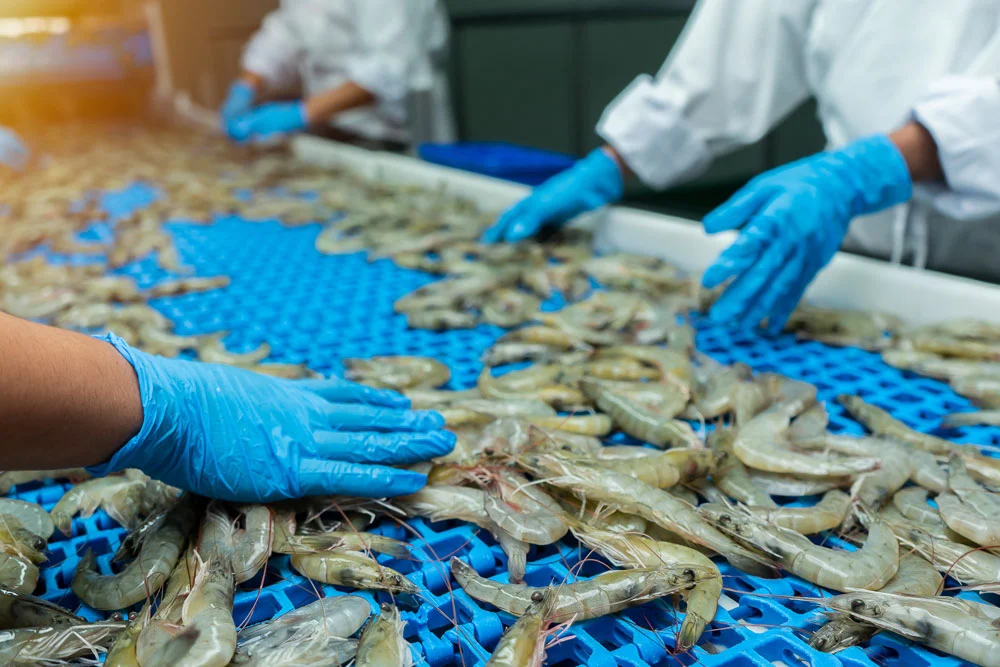
For many years, one of the biggest concerns within Vietnam’s seafood processing industry involved inconsistent interpretations of what constitutes “processing activities” under corporate income tax regulations. Although many seafood enterprises carried out substantial processing operations — including freezing, grading, heat treatment, mixing ingredients, packaging, and producing value-added seafood products – these activities were not always recognized as eligible for tax incentives.
This inconsistency created significant uncertainty for businesses. Companies investing heavily in processing technologies and production upgrades often face difficulties accessing tax benefits due to varying interpretations among authorities. As a result, many enterprises became cautious about expanding operations or committing to long-term investments.
Decree 320/2025/ND-CP directly addresses this issue by clearly defining seafood industry activities as legitimate production operations eligible for corporate income tax incentives under Vietnamese law. The decree acknowledges the true economic nature of the seafood industry and officially recognizes its contribution to industrial production and export value creation.
This clarification represents the outcome of years of dialogue between government agencies, industry associations, and enterprises operating within Vietnam’s seafood industry. It also reflects a more practical and business-oriented policy approach that aligns legal interpretation with operational reality.
Financial relief for seafood enterprises
The impact of tax policy extends far beyond accounting procedures. For businesses in the seafood industry, corporate income tax directly affects profitability, cash flow, reinvestment capacity, and long-term competitiveness.
With clearer access to tax incentives, the seafood industry can reduce financial pressure during a period marked by increasing raw material costs, higher energy prices, labor shortages, and elevated logistics expenses. Lower tax burdens create additional financial flexibility, allowing enterprises to allocate more resources toward modernization and expansion.
More importantly, the decree provides enterprises with stronger financial foundations to invest in high-value processing technologies, food safety systems, sustainability initiatives, and international compliance standards. Global seafood markets are becoming increasingly demanding, especially regarding traceability, environmental responsibility, and carbon reduction commitments.
Logistics and supply chain opportunities
The significance of Decree 320/2025/ND-CP extends beyond taxation and manufacturing. From a logistics perspective, the policy has the potential to strengthen the entire seafood supply chain ecosystem.
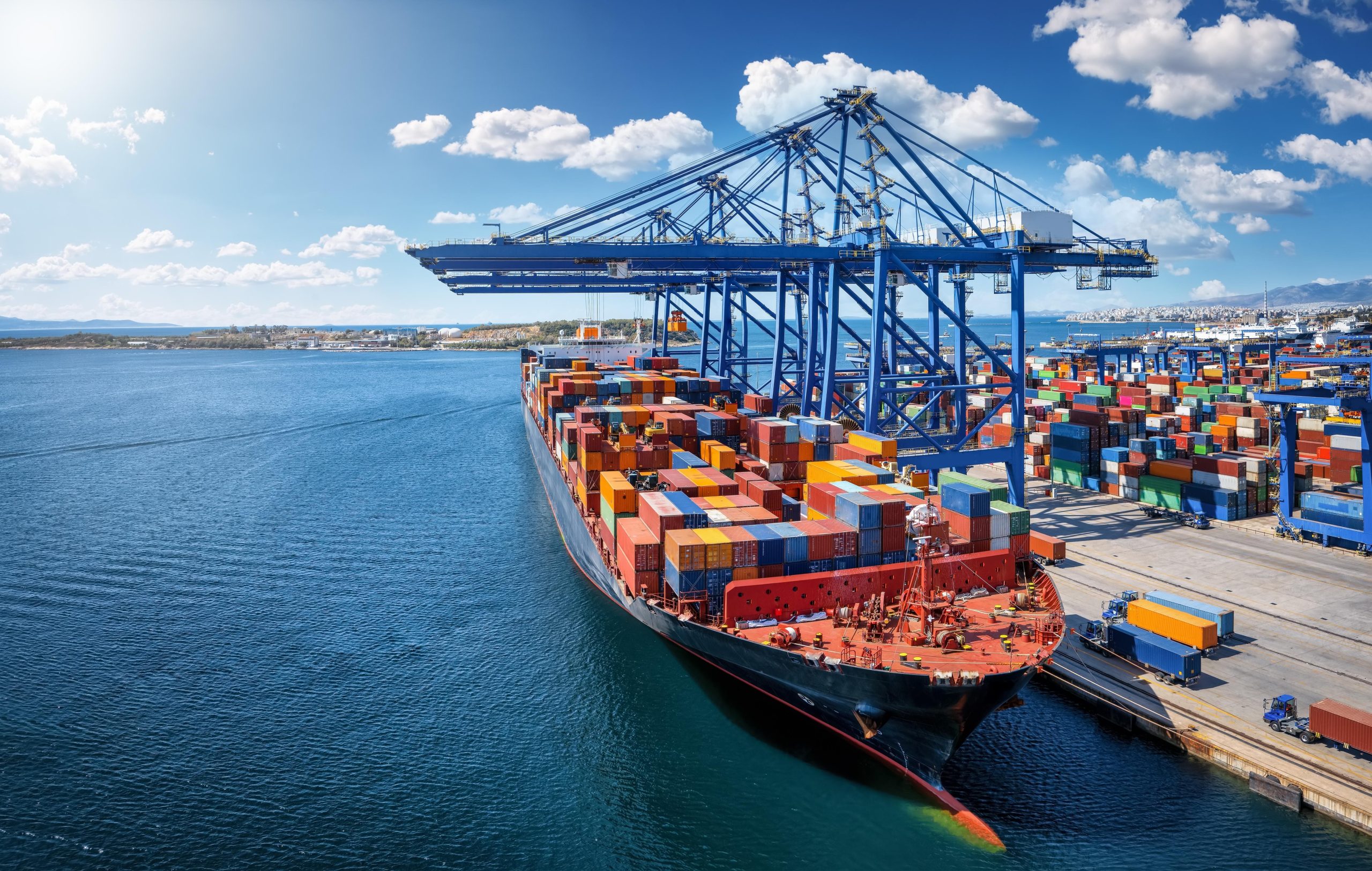
As businesses expand production and invest in deeper processing, demand for cold chain logistics, refrigerated transportation, warehouse infrastructure, and export support services will continue to rise. This creates substantial opportunities for logistics providers supporting Vietnam’s seafood industry.
Cold chain logistics is particularly critical in seafood exports, where product freshness, temperature control, and delivery speed directly impact product quality and international compliance. Increased investment in processing facilities is expected to accelerate demand for modern cold storage systems, temperature-controlled distribution networks, and integrated logistics solutions.
Furthermore, stronger domestic processing capabilities help increase local value creation. Rather than exporting raw seafood for processing abroad, Vietnam can retain more economic value within its domestic economy through higher-value manufacturing and logistics activities.
As Vietnam continues strengthening its position in the global seafood trade, supportive and practical policies like this will play a decisive role in helping the country’s seafood industry grow stronger, compete more effectively, and expand its global footprint in the years ahead.
Source: Vietnam Logistics Review
26/12/2025





 VN
VN