 info@mplogistics.vn
 (+84) 28 3811 9033


Japan has introduced new plant quarantine requirements for agricultural exports, requiring certain plant-origin products to meet additional phytosanitary conditions before entering the Japanese market. The measure took effect on July 29, 2026, following Japan’s addition of Meloidogyne enterolobii to its list of regulated plant quarantine pests.
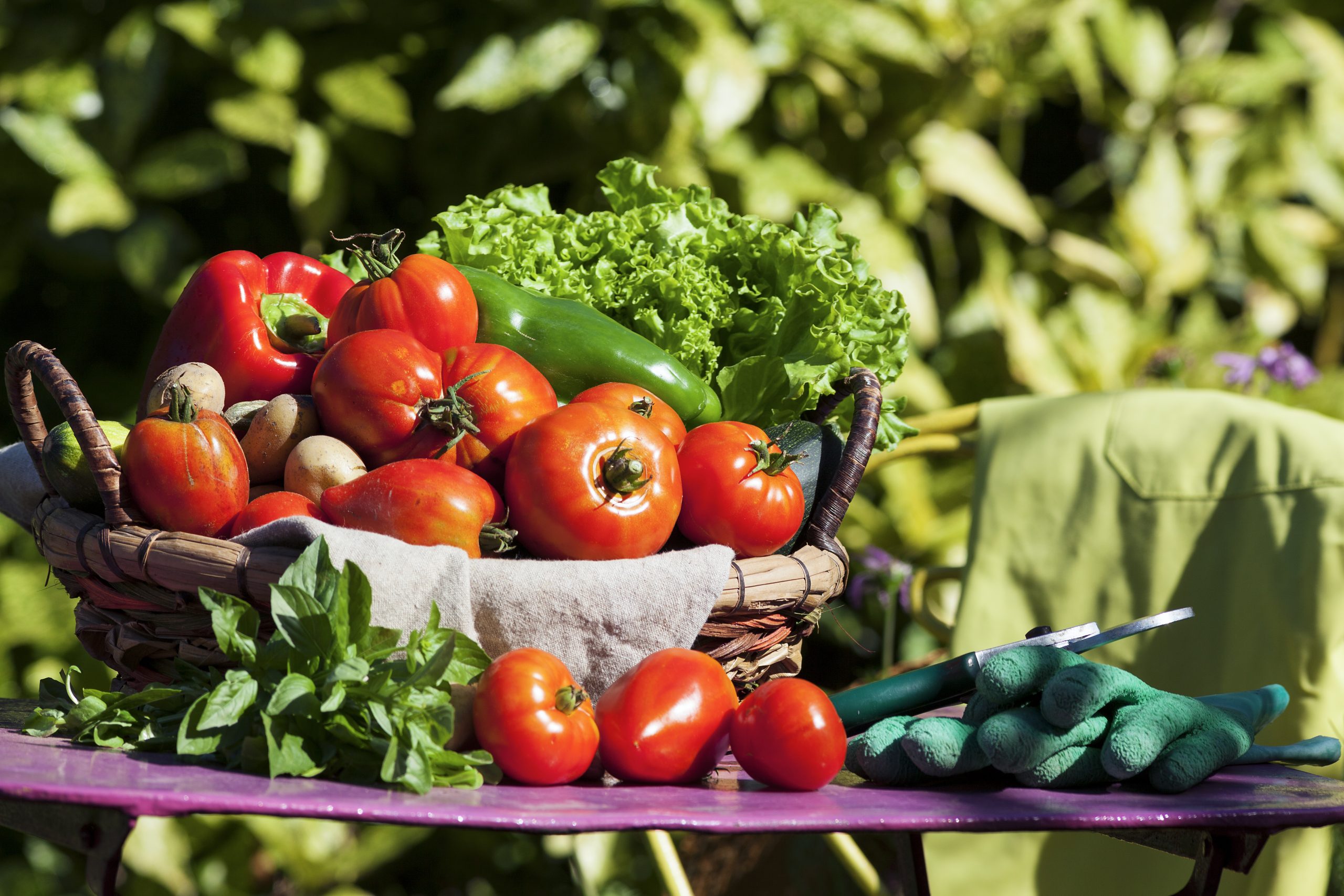
The new requirements may directly affect Vietnamese exporters of agricultural products and other plant-based goods shipped to Japan. Exporters are therefore advised to review applicable quarantine requirements and coordinate with competent plant quarantine authorities before preparing shipments.
Japan strengthens plant quarantine controls for plant-origin products
According to information from Vietnam’s SPS Office, the new measure was introduced after Japan’s Ministry of Agriculture, Forestry and Fisheries issued Emergency Notification No. 08/Shounan/2598 on July 28, 2026.
The measure applies to plant-origin products belonging to 9 genera and 19 species. Japan has strengthened import controls because of the potential risk posed by Meloidogyne enterolobii, a plant-parasitic nematode that can affect agricultural production.
Following the announcement, Vietnam’s Customs authorities issued Official Letter No. 19879, requesting regional customs branches to promptly communicate the new requirements to import-export businesses operating in their respective areas.
For Vietnamese companies exporting agricultural products to Japan, understanding these requirements is important to prevent delays, additional inspection procedures, or unexpected logistics costs.
What is Meloidogyne enterolobii?
Meloidogyne enterolobii is a species of root-knot nematode that can damage plants by attacking their root systems. Its presence can create risks for agricultural production and may facilitate the spread of plant pests through the movement of plants, growing media, soil, and underground plant parts.
Because of this phytosanitary risk, Japan has added Meloidogyne enterolobii to its regulated plant quarantine pest list.
The change means that certain plant-origin products entering Japan are now subject to stricter phytosanitary requirements. Exporters must demonstrate that the relevant plants meet Japan’s conditions before a phytosanitary certificate can be issued for export.
New phytosanitary certificate requirements for exports to Japan
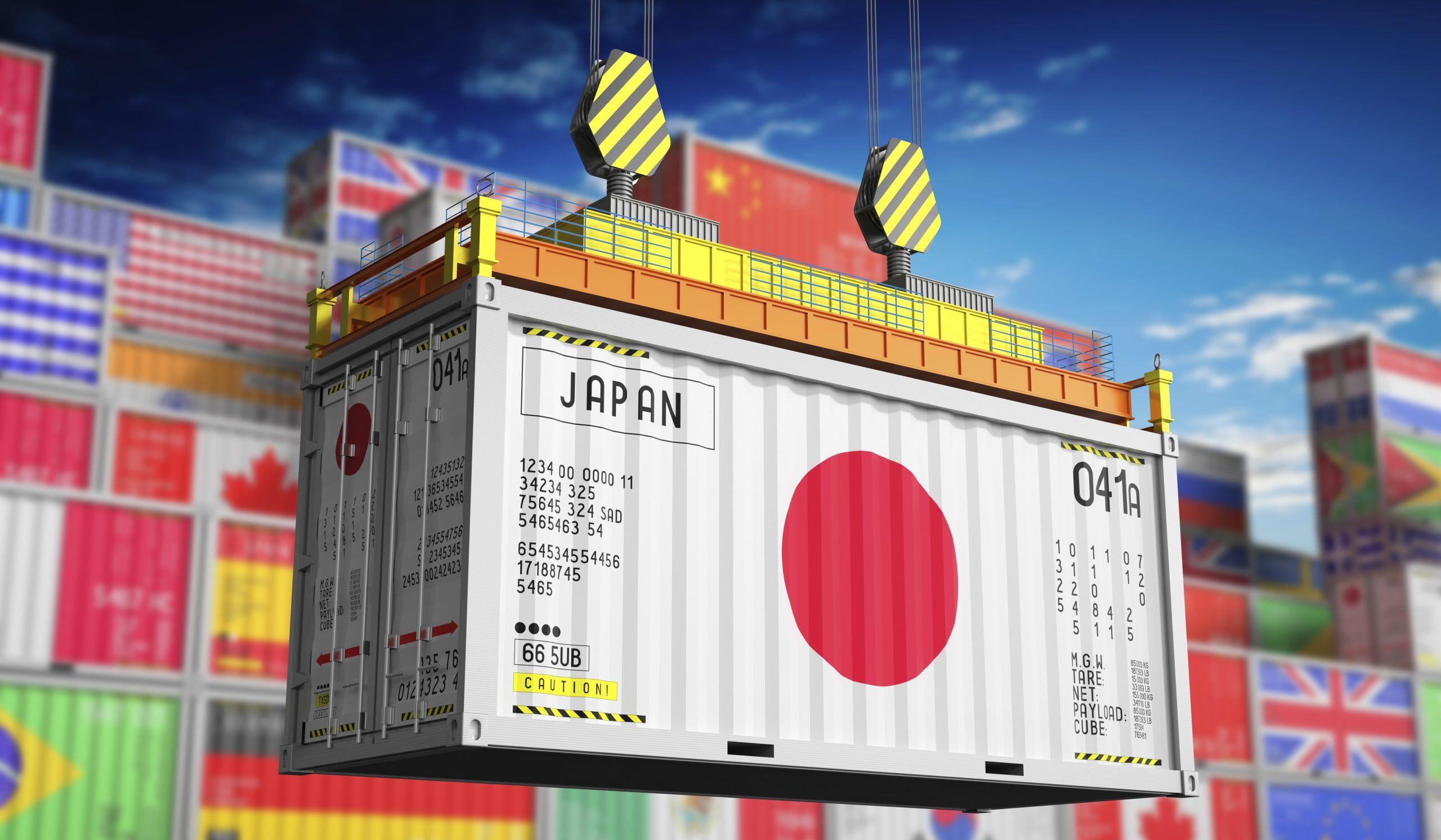
Under the new rules effective from July 29, 2026, shipments covered by the measure must be accompanied by a phytosanitary certificate containing the required declarations.
The certificate must confirm two key conditions.
Plants must come from pest-free production areas or facilities
The plants must have been produced in a location or facility where Meloidogyne enterolobii has never been detected.
If the pest has previously been detected, the relevant location or facility must have undergone appropriate treatment and the pest must have been completely eradicated.
This requirement makes production-area management particularly important for exporters. Businesses should maintain records demonstrating the phytosanitary status of their production facilities and any pest-control measures that have been implemented.
Plants must be inspected during the growing season
The second requirement concerns monitoring and testing throughout the plant’s growing period.
The growing media and underground parts of the plants must be tested using an appropriate method, with results confirming that they are free from Meloidogyne enterolobii.
These conditions must be satisfied before the competent authority can issue the phytosanitary certificate required for export to Japan.
Why the new Japan quarantine rules matter to exporters
For agricultural exporters, phytosanitary compliance is not simply a documentation issue. Failure to meet import-country requirements can affect the entire shipment and create additional costs.
If a shipment does not satisfy Japan’s plant quarantine requirements, exporters may face:
- Additional inspection procedures
- Shipment delays
- Increased storage or handling costs
- Additional testing or treatment requirements
- Potential rejection of the shipment
- Disruption to delivery schedules and customer commitments
For businesses operating on tight logistics schedules, even a relatively short delay can increase the overall landed cost of an export shipment.
Therefore, exporters should treat phytosanitary compliance as part of their export planning rather than waiting until the shipment is ready to leave Vietnam.
Managing compliance and logistics risks

The new Japanese plant quarantine requirements highlight the importance of monitoring SPS measures in export markets.
For agricultural exporters, market access depends not only on tariffs, customs procedures, and shipping arrangements but also on technical and phytosanitary requirements imposed by the destination country.
A shipment can be commercially ready but still face problems if the required quarantine certificate or supporting testing is missing.
Businesses exporting regularly to Japan should therefore establish a process for monitoring regulatory changes and communicating new requirements to production, quality control, documentation, customs, and logistics teams.
Early preparation can help reduce the risk of last-minute inspections, shipment delays, and unexpected costs.
Japan’s new plant quarantine requirements for agricultural exports, effective from July 29, 2026, introduce additional phytosanitary controls for certain plant-origin products from 9 genera and 19 species.
The measures focus on preventing the introduction and spread of Meloidogyne enterolobii. Covered shipments must meet specific production, inspection, testing, and phytosanitary certification requirements before being exported to Japan.
Vietnamese agricultural exporters should proactively review whether their products are affected, verify production-site conditions, complete the required testing, and coordinate with plant quarantine authorities before shipment.
Keeping up with Japan’s SPS and plant quarantine regulations will be essential for maintaining smooth market access, avoiding shipment disruptions, and controlling unexpected export logistics costs.
Source: Voice of Vietnam Online Newspaper,
09/08/2026




 VN
VN