 info@mplogistics.vn
 (+84) 28 3811 9033


With a long-standing agricultural tradition, Vietnam is preparing for a major shift in its trade landscape in 2026. The Ministry of Agriculture and Rural Development forecasts that Vietnam will export around 7.73 million tons of rice, keeping its place among the world’s top suppliers.
This goal is not only about volume. It reflects a national strategy that balances production capacity, domestic food security, and changing global demand. Instead of chasing quantity alone, Vietnam now focuses more on sustainable farming and higher value rice. This approach helps the country compete better in premium markets.
Optimizing Agricultural Foundations to Boost Production Potential
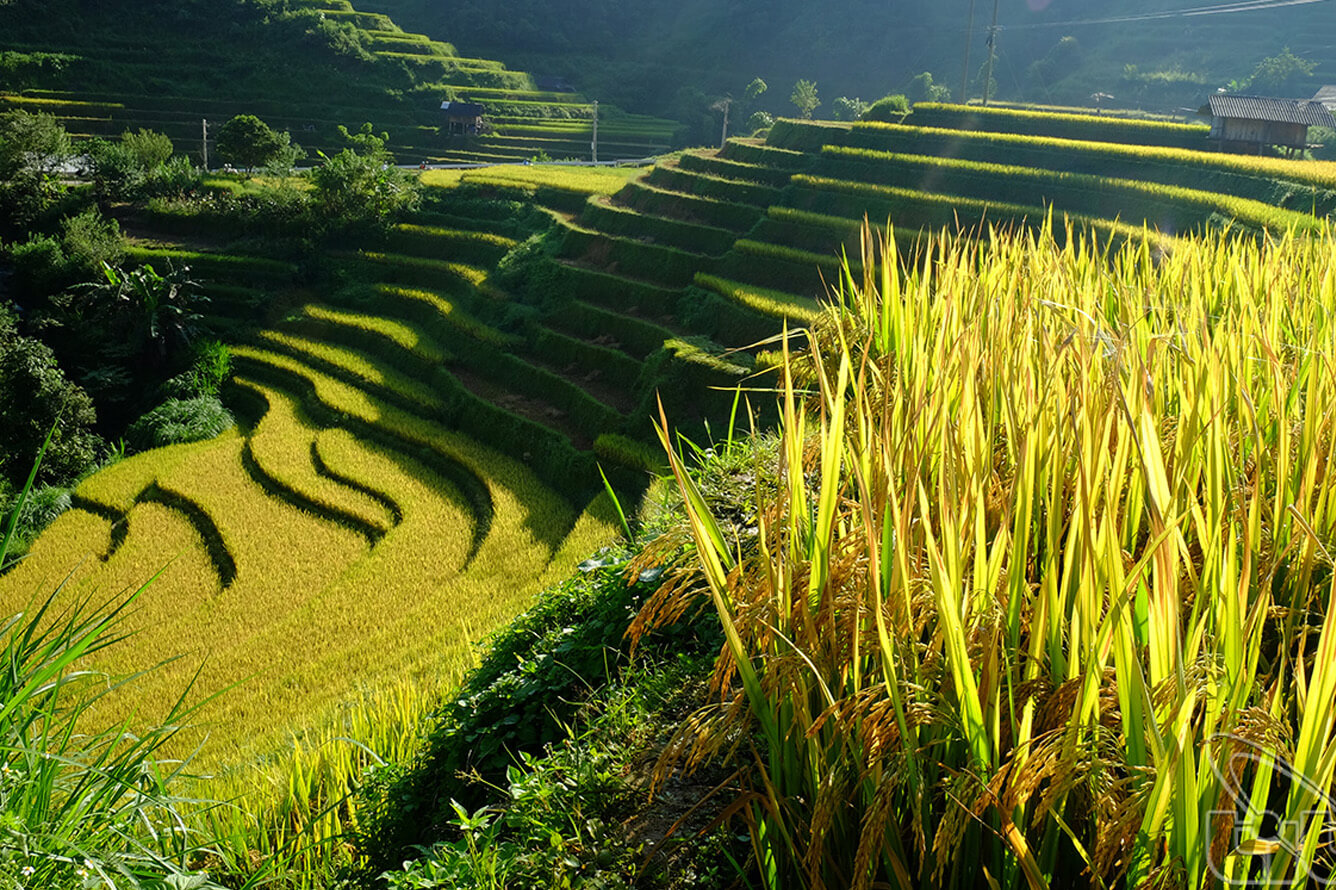
Vietnam’s 2026 rice export plan relies on a stable and efficient production model. The government plans for about 7.09 million hectares of rice cultivation. While Vietnam slightly reduces cultivation land to adapt to climate change, it shifts attention to productivity and quality.
Authorities expect yields to reach 61.4 quintals per hectare. As a result, total paddy production could hit 43.55 million tons.
From this harvest, Vietnam will allocate about 15.46 million tons of paddy for commercial use after meeting domestic needs. These needs include household consumption, livestock feed, and national reserves. After processing, the commercial paddy volume will produce the target 7.73 million tons of export rice.
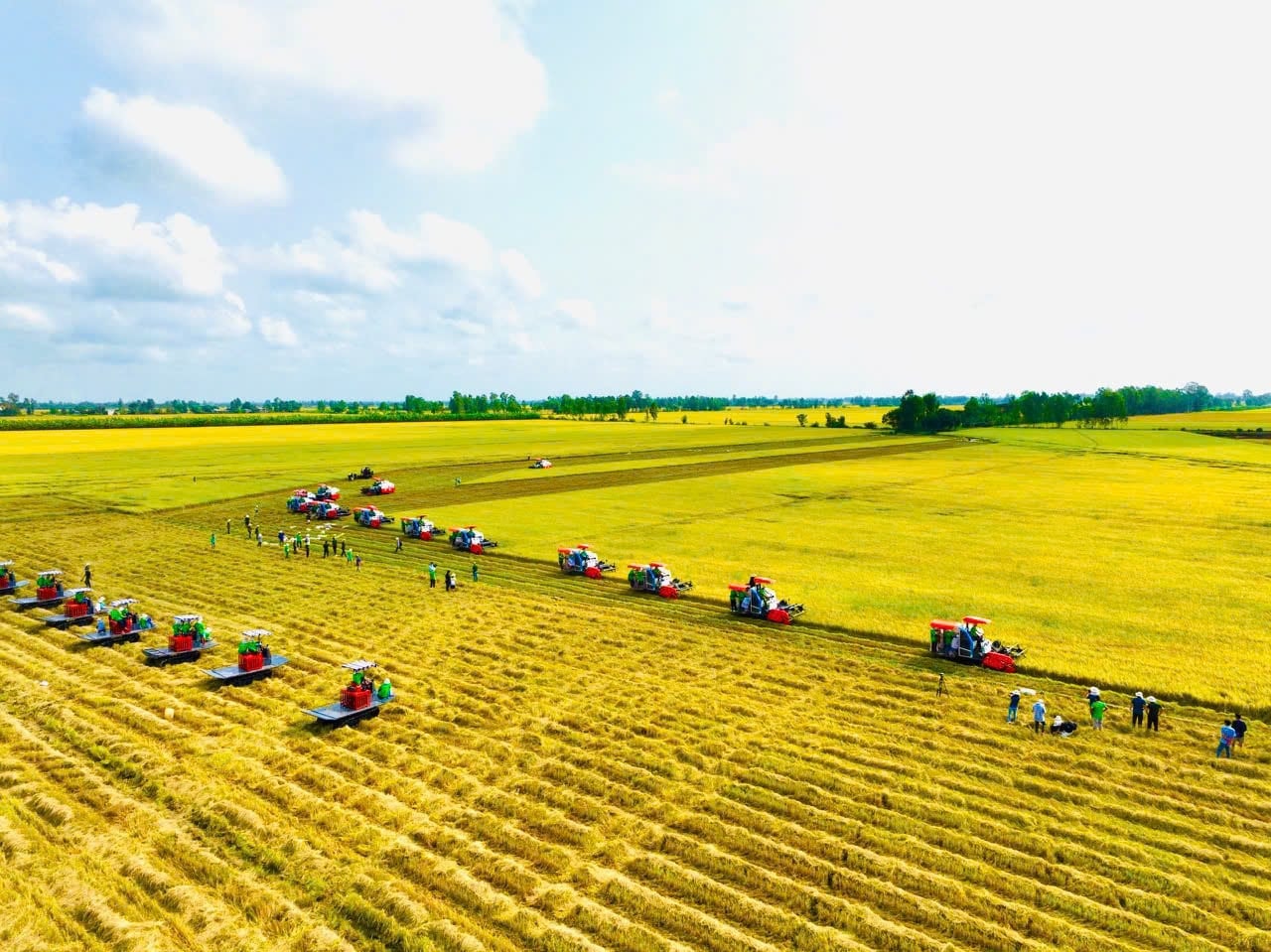
The Mekong Delta remains the main driver of this supply. Farmers and local authorities increasingly apply advanced cultivation methods and sustainable water management. These improvements strengthen resilience against weather risks and protect long-term output stability.
Enhancing Value Through Product Structure and Strategic Vietnam’s Rice Export Timing
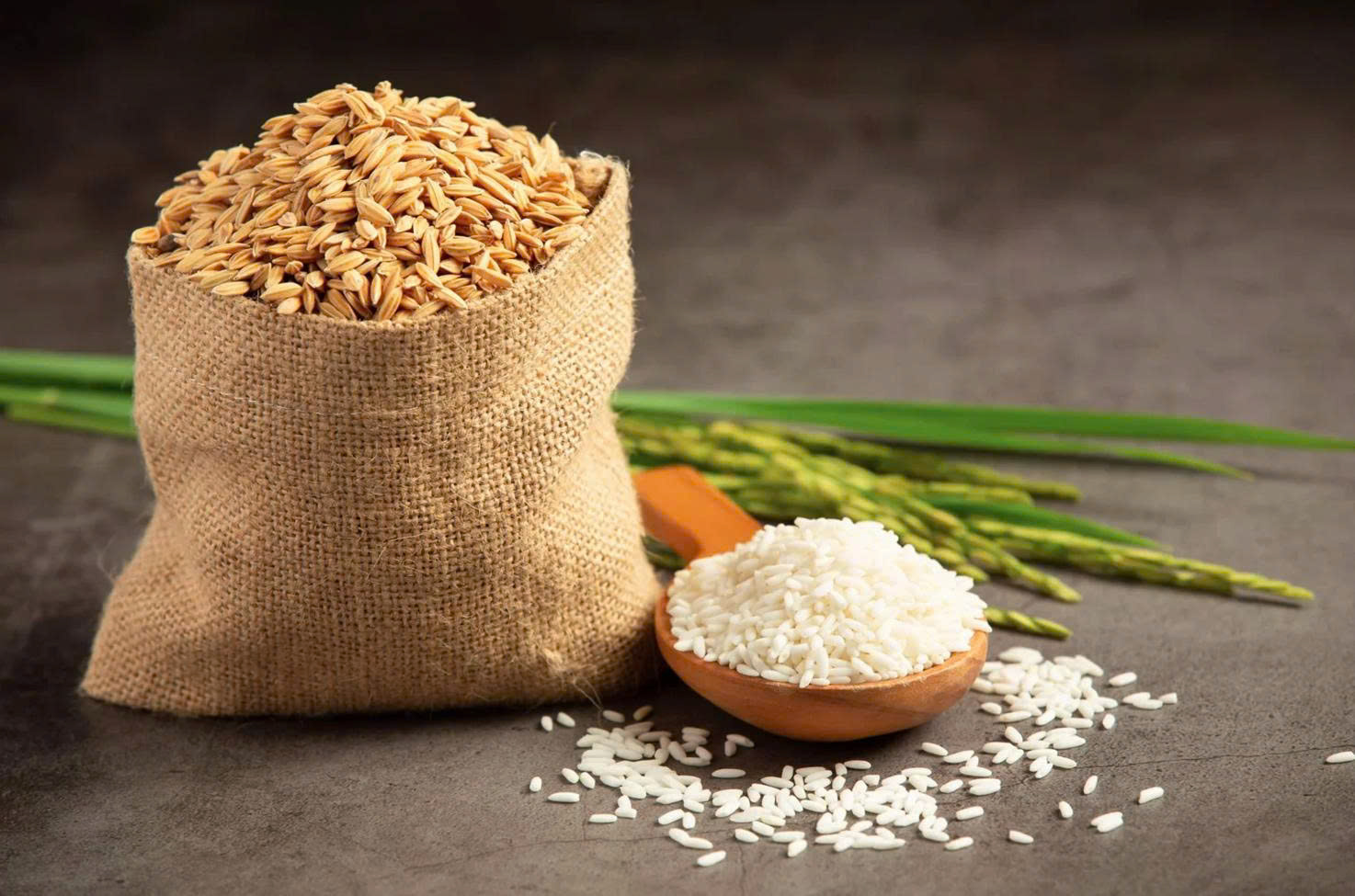
Beyond quantity, the 2026 strategy emphasizes a “quality-first” approach to redefine the rice export brand. The structure of exported products is being aggressively diversified: approximately 75% of the total volume will consist of high-quality and fragrant rice varieties (such as ST24, ST25, and Jasmine), which fetch premium prices in demanding markets like the EU, the US, and high-end segments in Asia. Glutinous rice will account for about 10%, while the remaining 15% is dedicated to rice for industrial processing. This shift ensures that the rice export value increases even if the volume remains stable, maximizing profits for Vietnamese farmers and exporters.
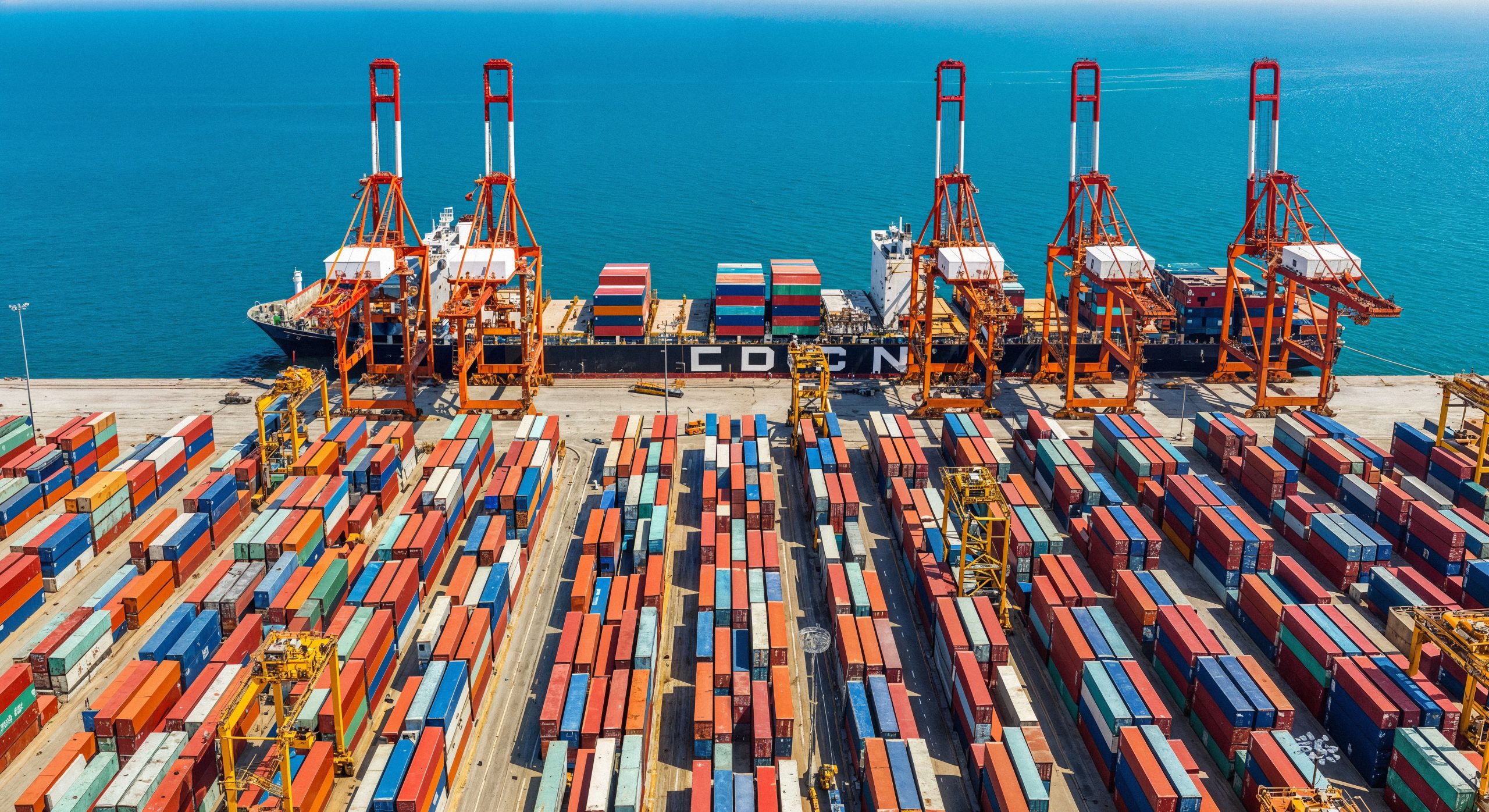
Furthermore, the timing of Vietnam’s rice export activities is being scientifically scheduled to align with the country’s harvest cycles. Authorities recommend that logistics, shipping, and trade promotions be concentrated in peak harvest windows, specifically in March, April, July, August, and September. This strategic synchronization prevents supply chain bottlenecks and allows Vietnamese exporters to negotiate better prices by offering fresh, high-quality grain during periods of high global demand.
Vietnam’s rice export outlook for 2026 is a blend of traditional strength and modern strategic planning. By focusing on high-value varieties and optimized logistics, Vietnam is set to solidify its reputation as a reliable and premium provider in the international rice trade.





 VN
VN