 info@mplogistics.vn
 (+84) 28 3811 9033


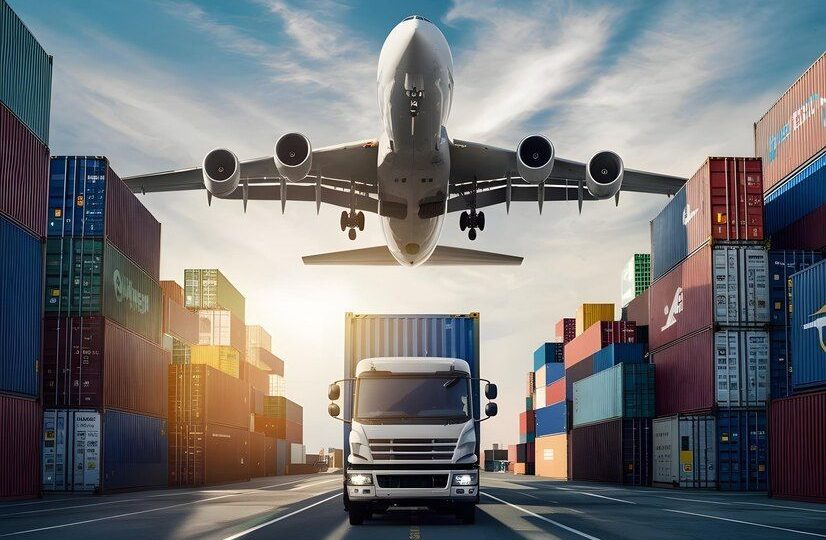
Vietnam export and import activities remain a major highlight of the economy, maintaining strong growth momentum and reinforcing Vietnam’s role in global trade. Over the 2021–2025 period, export performance contributed significantly to economic resilience, industrial recovery, and macroeconomic stability, even amid global uncertainties.
Industrial production recorded a clear rebound, sustaining an average growth rate of more than 6% per year. Manufacturing and processing industries continued to serve as the central engine of growth, with expanding production capacity and improved competitiveness. Key sectors such as electronics, textiles, footwear, wood products, and agricultural processing further strengthened their foothold in international markets, gradually moving toward higher positions in global value chains.
At the same time, localization rates improved across several industries, reflecting stronger participation of domestic enterprises in supply chains. This progress has helped Vietnam reduce certain dependencies while enhancing its overall export competitiveness.
Export Scale Expands, Key Products Hold Global Rankings

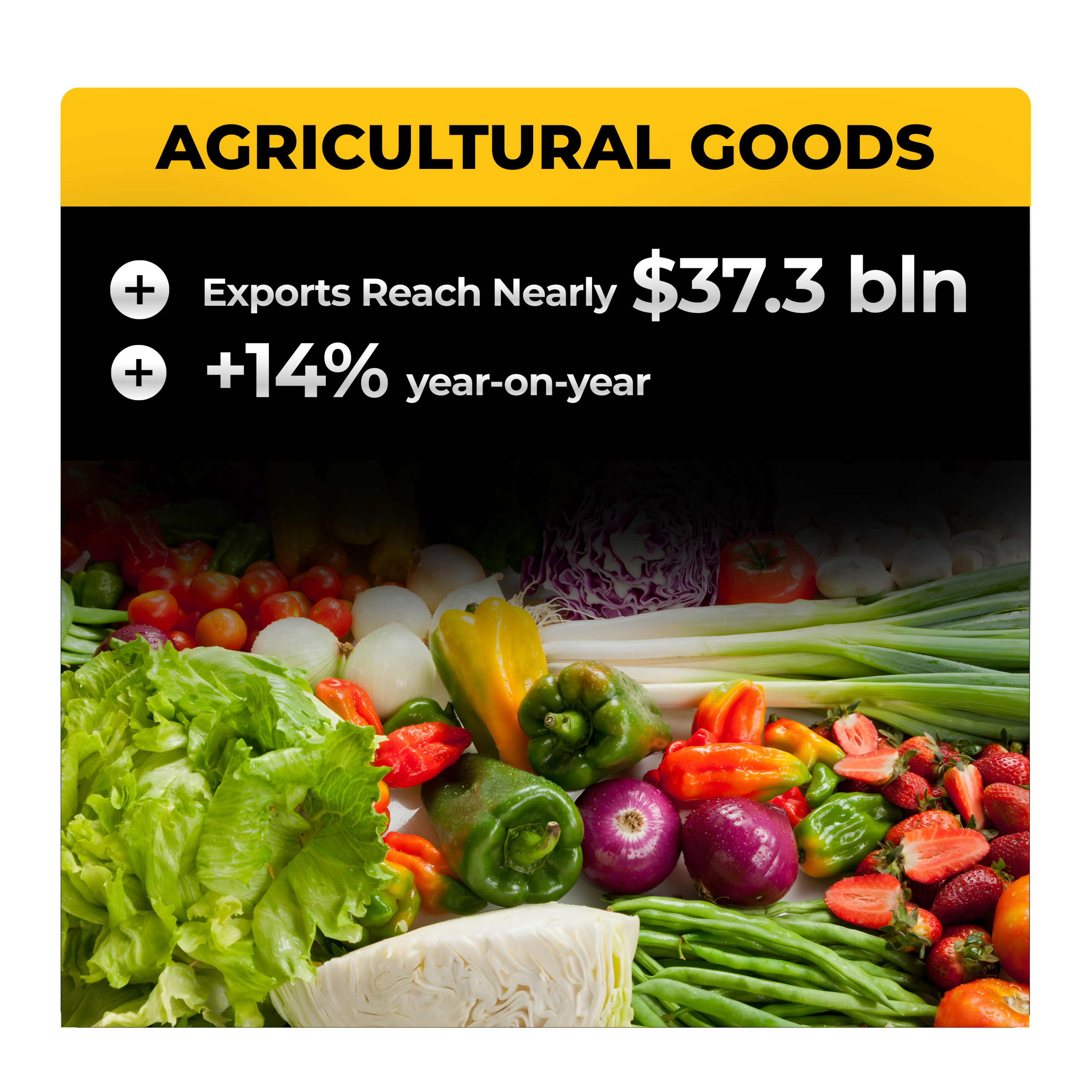
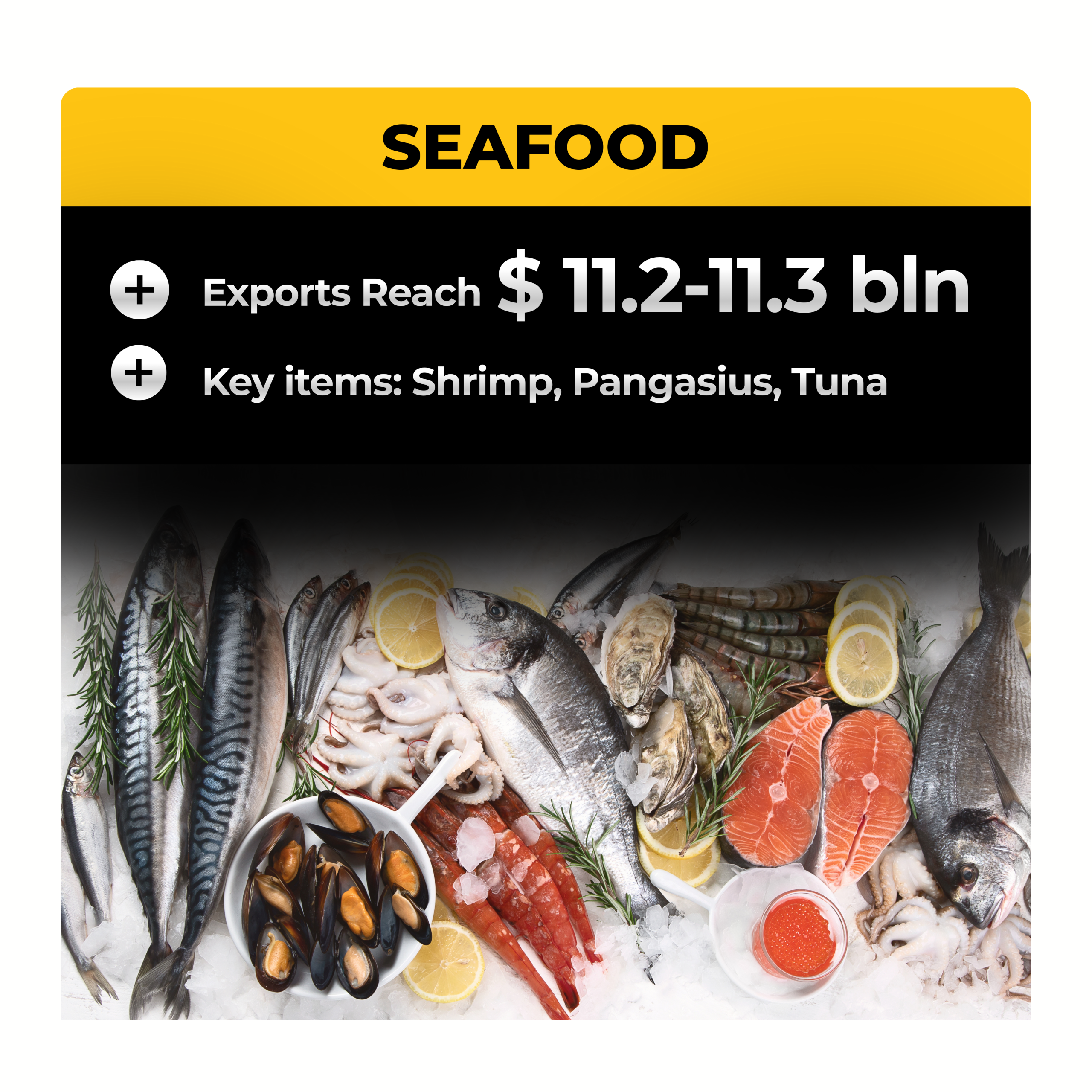
Vietnam’s export value consistently reached new milestones. In 2025, total import-export turnover exceeded USD 930 billion, nearly doubling compared with the beginning of the period. Many key export products continued to maintain high global rankings, confirming Vietnam’s status as one of the world’s leading exporters in multiple product categories.
Export expansion was accompanied by a sustained trade surplus, which played a vital role in stabilizing the macroeconomy. 2025 marked the tenth consecutive year in which Vietnam recorded a trade surplus, surpassing USD 20 billion. This surplus contributed to strengthening foreign exchange reserves, supporting monetary stability, and reinforcing investor and market confidence.
Despite external challenges such as global demand fluctuations, rising trade protectionism, and supply chain disruptions, Vietnam’s export sector demonstrated strong adaptability and resilience, supported by diversified markets and competitive pricing.
Domestic Market, Integration, and Future Export Direction
Alongside export growth, the domestic market continued to act as an important growth pillar. Stable supplies of essential goods and materials helped the economy withstand external shocks and maintain consumption momentum. Meanwhile, e-commerce expanded rapidly, with growth rates exceeding 20% per year. Placing Vietnam among the fastest-growing digital commerce markets worldwide and accelerating business digital transformation. These agreements expanded access to a market of nearly six billion consumers, and enhanced Vietnam’s competitiveness in regional.
Looking ahead to the 2026–2030 period, Vietnam’s export-driven growth faces several structural challenges. Including low value-added production, reliance on imported raw materials, and high logistics costs. To ensure sustainable export growth, future strategies will prioritize institutional reform, green and digital transformation, technological innovation, and stronger linkages between domestic enterprises and multinational corporations. These efforts aim to improve value addition, enhance supply chain autonomy, and elevate Vietnam’s position in the global value chain.
Source: VnExpress
20/01/2026





 VN
VN