 info@mplogistics.vn
 (+84) 28 3811 9033


Vietnam’s Ministry of Industry and Trade is drafting a new policy mechanism to mobilize financial resources that support businesses, cooperatives, and household enterprises. The initiative focuses on building an “FTA utilization ecosystem” to help domestic firms better capture opportunities from global trade agreements.

Vietnam’s Economic Context
As Vietnam deepens its global integration, free trade agreements have become a key driver of export growth. However, many domestic businesses still face challenges in meeting international standards and scaling operations.
At the same time, rising input costs, especially fuel prices and logistics expenses, continue to put pressure on profit margins. Therefore, financial support mechanisms are becoming increasingly necessary to maintain competitiveness.
Details of the Proposed Interest Rate Support
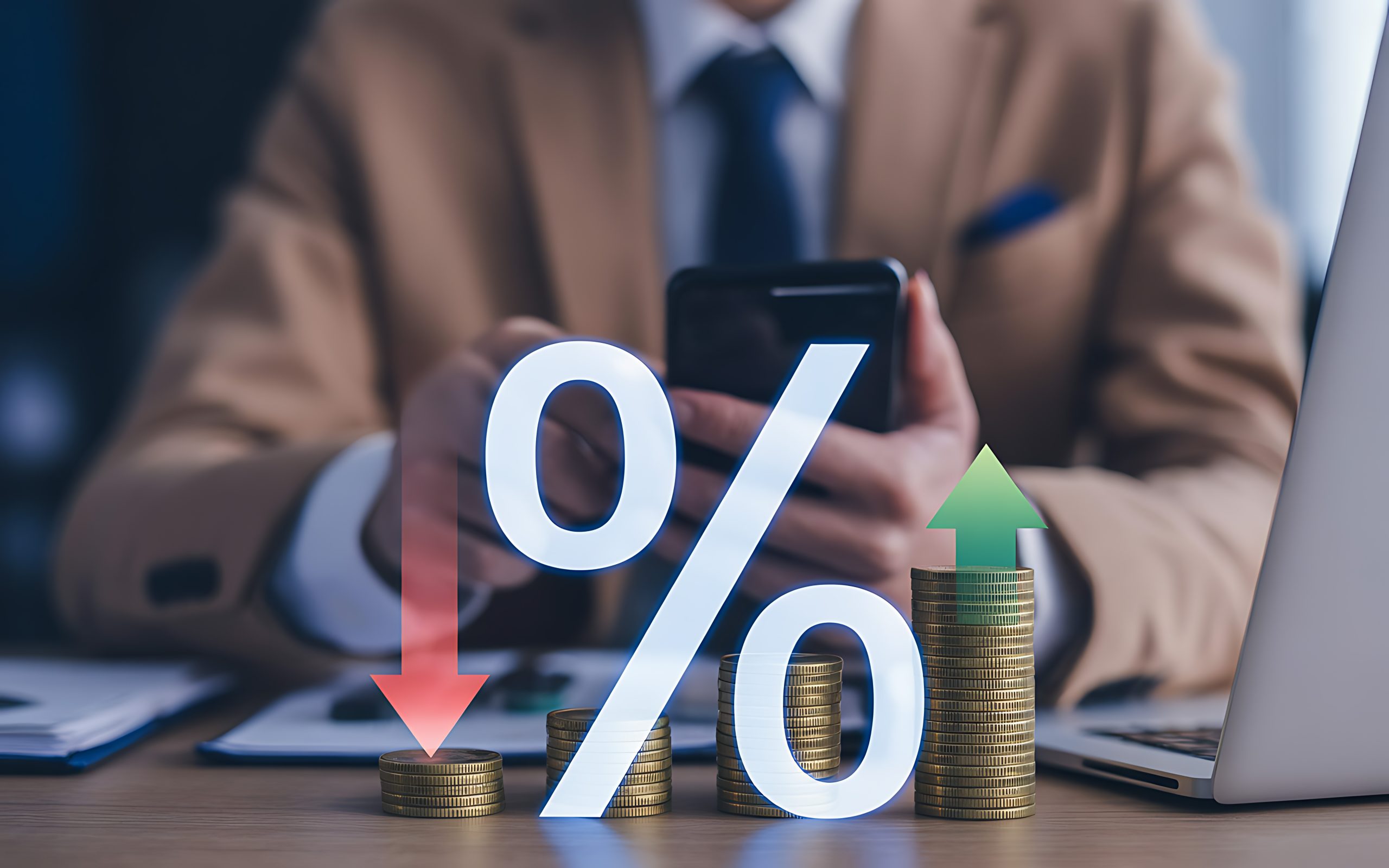
At the core of the proposal is an interest rate support mechanism. Specifically, the Ministry suggests offering preferential loan rates that may be lower than market levels, depending on each period.
This financial support aims to reduce capital costs for businesses. In turn, companies can invest more effectively in upgrading production capacity, improving product quality, and complying with strict international requirements.
Moreover, the policy is designed to align with a broader ecosystem approach. It will not only provide financial assistance but also connect businesses with resources related to trade, standards, and market access.
Expected Impact on Businesses and the Economy
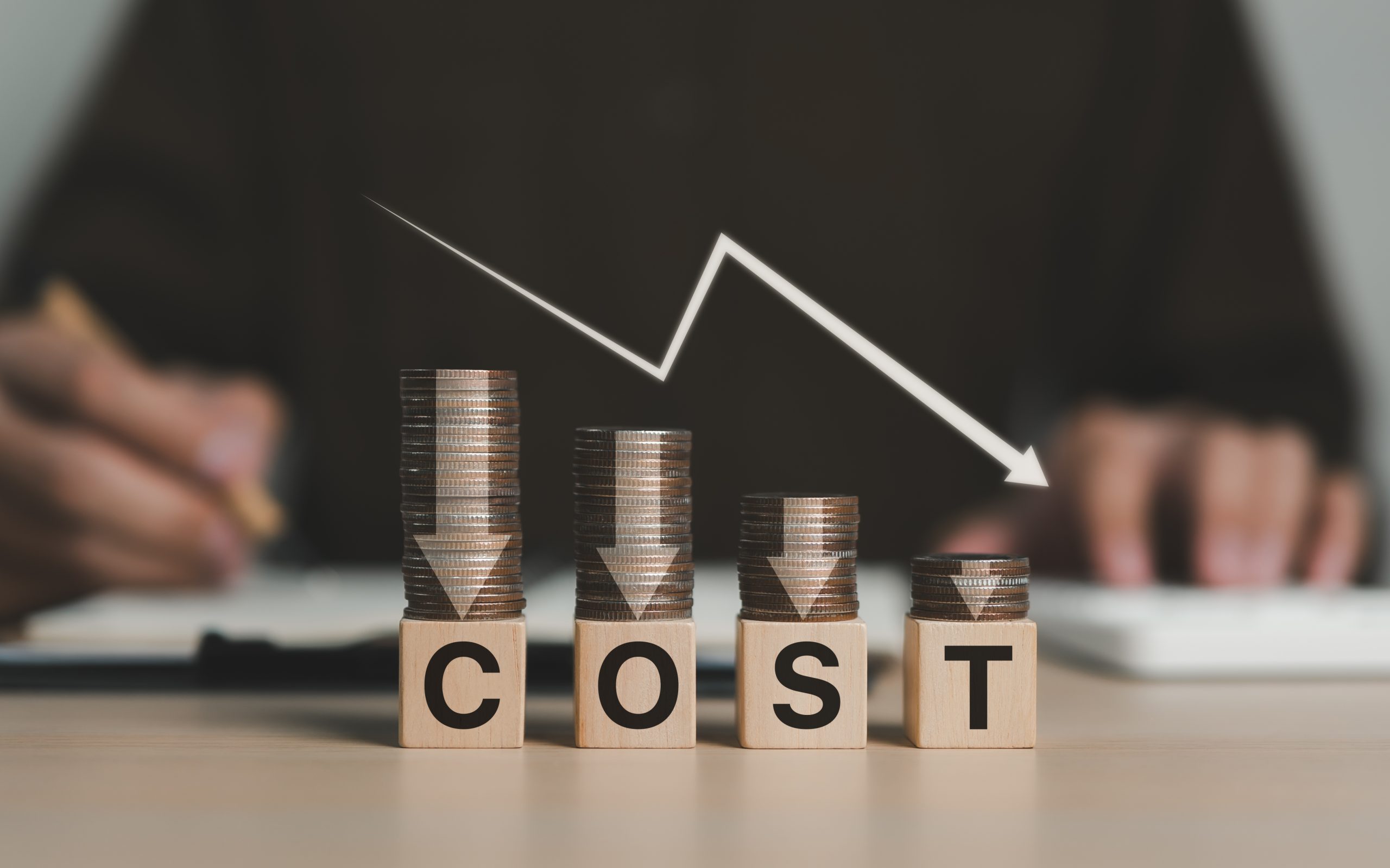
The proposed mechanism is expected to ease financial pressure for businesses, particularly in a volatile cost environment. As companies gain better access to affordable capital, they can accelerate transformation and innovation.
More importantly, this support will help domestic firms integrate deeper into global value chains. By improving competitiveness and adaptability, Vietnamese businesses can expand exports and capture more value from FTAs.
In the long run, the policy could strengthen Vietnam’s position in international trade and contribute to more sustainable economic growth.
Overall, the draft policy reflects a strategic shift toward proactive support for FTA utilization. By combining financial incentives with ecosystem development, Vietnam aims to unlock the full potential of its trade agreements.
If implemented effectively, this initiative could become a key driver for enhancing business resilience and boosting the country’s global competitiveness.
Source: VnEconomy
25/3/2026





 VN
VN