 info@mplogistics.vn
 (+84) 28 3811 9033


Businesses today face growing pressure to reduce logistics costs while meeting increasingly strict sustainability and ESG requirements. As global supply chains become more complex, operational efficiency is no longer just about speed but also about resource optimization and environmental impact.
The Challenge: Inefficiencies of Single-Use Packaging
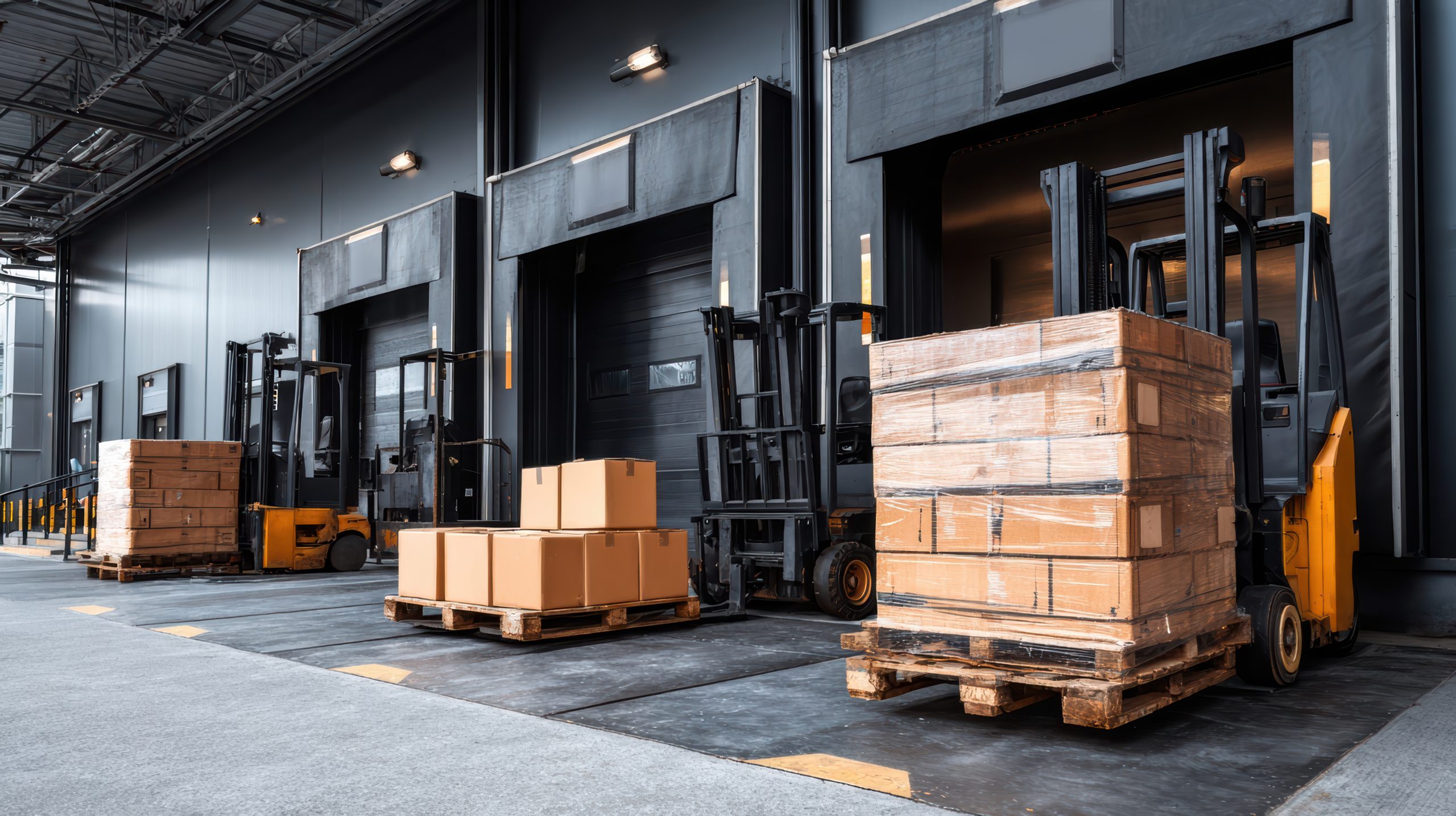
Single-use packaging continues to create significant operational and environmental burdens for businesses, particularly in large-scale projects. Each project can require thousands of carton boxes, which are quickly discarded after use, leading to high disposal costs and increased waste.
At the same time, companies often lack visibility into packaging assets once they move across multiple locations. This makes it difficult to track usage, optimize asset allocation, or manage returns efficiently. As sustainability targets become more ambitious, including goals to reduce virgin material usage by up to 80 percent by 2030, these inefficiencies are becoming increasingly unsustainable.
The Solution: IoT-Enabled Reusable Packaging
To address these challenges, Whitecroft Lighting collaborated with technology partners to develop Geopak, a reusable packaging system integrated with IoT tracking capabilities. This solution transforms traditional packaging into a trackable and manageable logistics asset.
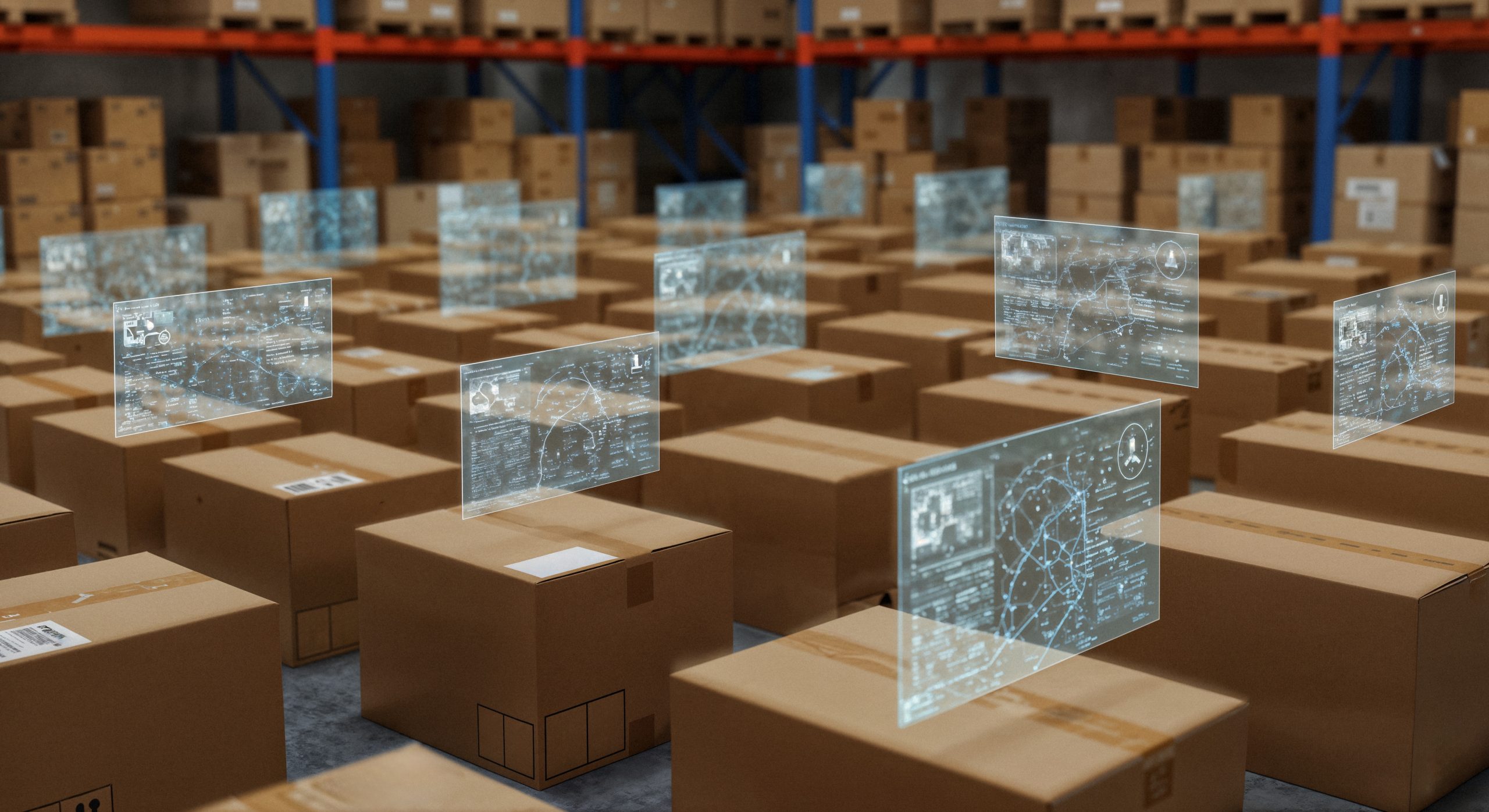
The system enables real-time monitoring of packaging units across the supply chain, capturing data such as location, delivery status, storage duration, and return cycles. By integrating with existing warehouse management and enterprise systems, the solution ensures seamless adoption without adding operational complexity.
1. How It Works
The implementation includes hundreds of reusable containers equipped with tracking devices operating across an extensive logistics network. Each container continuously transmits data, allowing businesses to monitor movements and identify inefficiencies in real time.
In addition, automated alerts help detect delays, extended storage periods, or the need for asset recovery. Advanced AI analytics convert operational data into actionable insights, enabling better planning and resource allocation. As a result, manual tracking processes are eliminated, and overall supply chain visibility is significantly improved.
2. Key Outcomes: Cost Reduction and Sustainable Growth
The impact of optimizing the packaging lifecycle is both immediate and measurable. By replacing single-use cartons with reusable containers, the company eliminated approximately 100000 boxes from its supply chain. This led to a reduction of around 2 tons of packaging waste while also lowering disposal costs.
From a financial perspective, the approach generated notable savings, including thousands of pounds in waste handling costs for a single project. At the same time, improved asset utilization and better logistics planning contributed to overall cost reduction. These gains also strengthened customer trust by ensuring more transparent and reliable delivery processes.

3. Broader Implications: Circular Economy and Smart Logistics
The shift toward reusable packaging supported by IoT reflects a broader transformation in supply chain management. Businesses are increasingly moving from linear models to circular systems, where materials are reused and optimized over multiple cycles.
This transition is further enabled by data-driven technologies such as IoT and artificial intelligence, which provide real-time visibility and predictive insights. As a result, companies can make more informed decisions, reduce waste, and improve operational performance while meeting sustainability goals.
In the long term, such solutions will play a critical role in shaping more resilient and competitive supply chains. As global trade continues to evolve, companies that embrace circular and technology-driven approaches will be better positioned to succeed.
Source: VnExpress
16/4/2026





 VN
VN