 info@mplogistics.vn
 (+84) 28 3811 9033


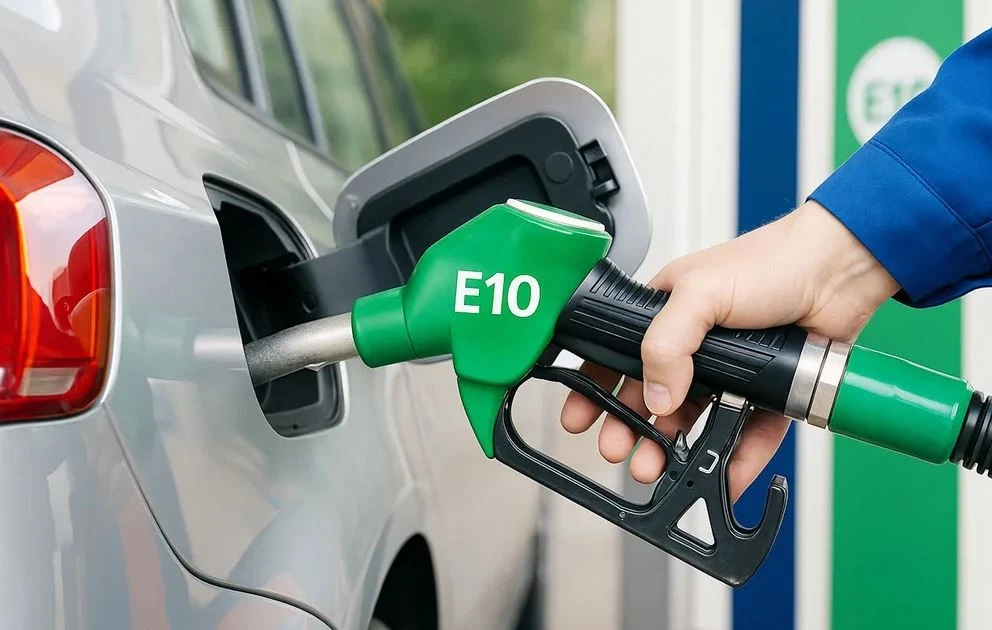
Vietnam is accelerating its E10 rollout as part of a broader strategy to reduce fuel import dependence and advance its energy transition. The Ministry of Industry and Trade has proposed nationwide deployment of E10 biofuel starting from April 30, moving the timeline forward by one month compared to the previous plan.
1. Policy Overview: Accelerating the E10 Rollout
The proposal is outlined in a draft amendment to Circular 50/2025, which regulates the blending of biofuels with traditional fuels in Vietnam. Under the revised plan, the mandatory E10 rollout would begin on April 30 instead of June 1.
Authorities are also allowing qualified businesses to initiate deployment as early as April, creating momentum for a faster nationwide transition. This move reflects the government’s intention to accelerate energy reform and improve the efficiency of the domestic fuel market.
2. Reducing Import Dependence
Vietnam continues to rely heavily on imported energy. Currently, the country imports approximately 20–30 percent of finished gasoline and 50–70 percent of refining inputs. Recent policy measures, such as fuel tax reductions, have also been introduced to stabilize the market and support businesses.
In this context, the E10 rollout is positioned as a strategic solution to enhance energy self-sufficiency. By increasing the use of domestically blended biofuels, Vietnam aims to reduce its exposure to external shocks while supporting its green energy transition agenda.
3. Ethanol Supply Challenge
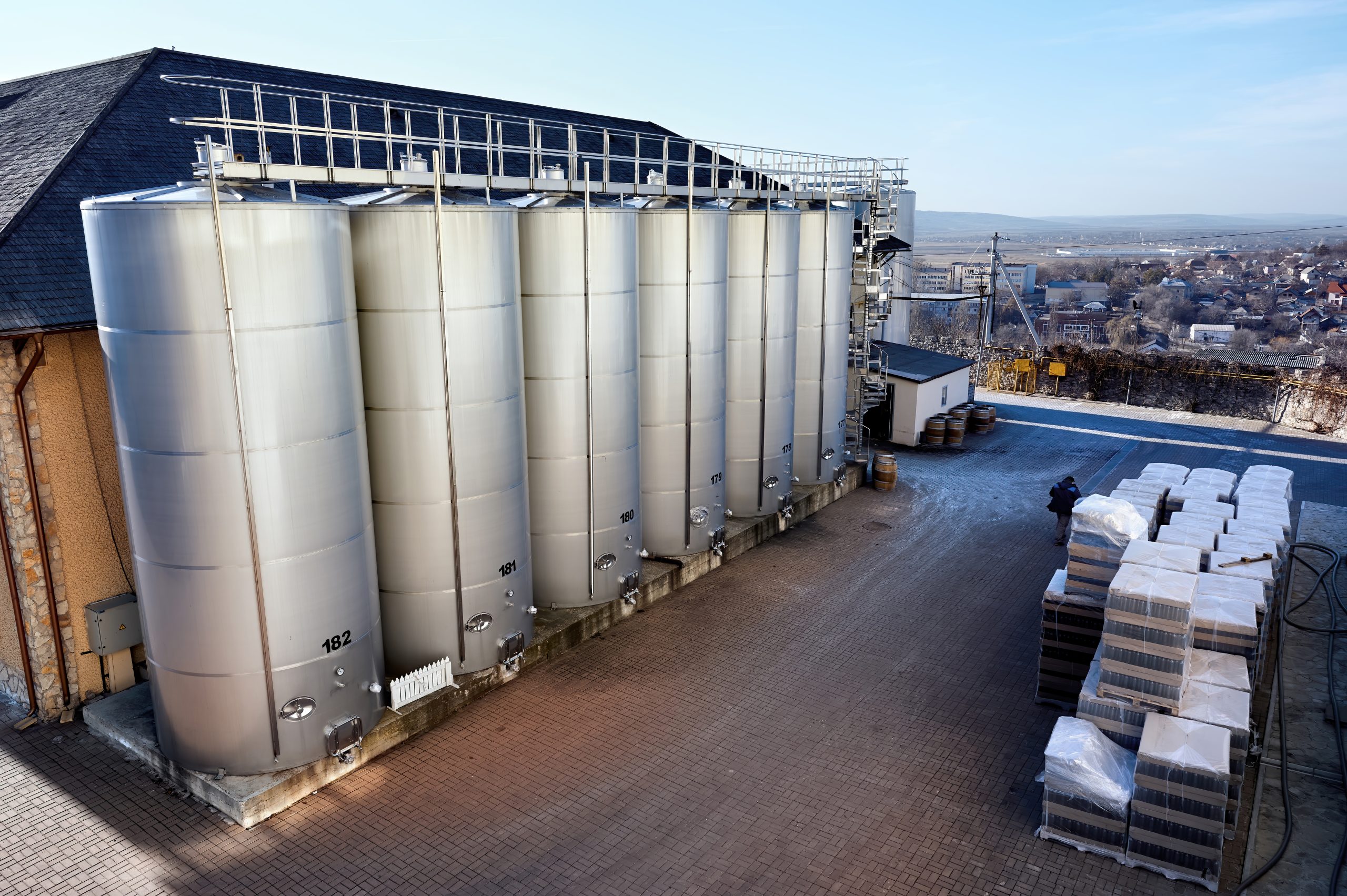
Despite its potential benefits, the E10 rollout faces a critical challenge in securing sufficient ethanol supply. Ethanol is the key component of E10 fuel, and demand is expected to range between 92,000 and 100,000 cubic meters per month.
However, domestic production currently stands at only around 25,000 cubic meters per month. Although Vietnam has six ethanol plants with a combined designed capacity of 500,000 to 600,000 cubic meters per year, actual utilization remains at just 30 to 40 percent.
As a result, the market is expected to face an initial shortfall of 10,000 to 15,000 cubic meters. In the short term, businesses will need to import approximately 75,000 cubic meters of ethanol per month to meet demand during the early stages of the E10 rollout.
4. Market Challenges and Consumer Perception
Market acceptance will play a decisive role in the success of the E10 rollout. Previous experience with E5 biofuel showed that initial adoption can decline if price incentives are not maintained or if consumer concerns about quality persist.
Currently, E5 accounts for only 15–20 percent of the market. To avoid similar challenges, authorities will need to strengthen communication efforts and improve public awareness of the benefits of biofuels. Building trust among consumers and businesses will be essential for scaling E10 adoption nationwide.
5. Cost Savings and Sustainability Gains
If successfully implemented, the E10 rollout could deliver significant economic and environmental benefits. The most immediate impact would be a reduction of approximately $800 million in annual fuel import costs.
In addition, increased use of biofuels would help lower greenhouse gas emissions and support Vietnam’s sustainability commitments. The policy is also expected to stimulate the domestic biofuel industry and create new opportunities for economic growth.
Vietnam’s accelerated E10 rollout marks a strategic step toward reducing fuel import dependence and advancing its energy transition. While the policy offers clear economic and environmental benefits, its success will depend on resolving key challenges related to ethanol supply, infrastructure readiness, and market acceptance.
Source: Nguoiquansat
9/4/2026






 VN
VN