 info@mplogistics.vn
 (+84) 28 3811 9033


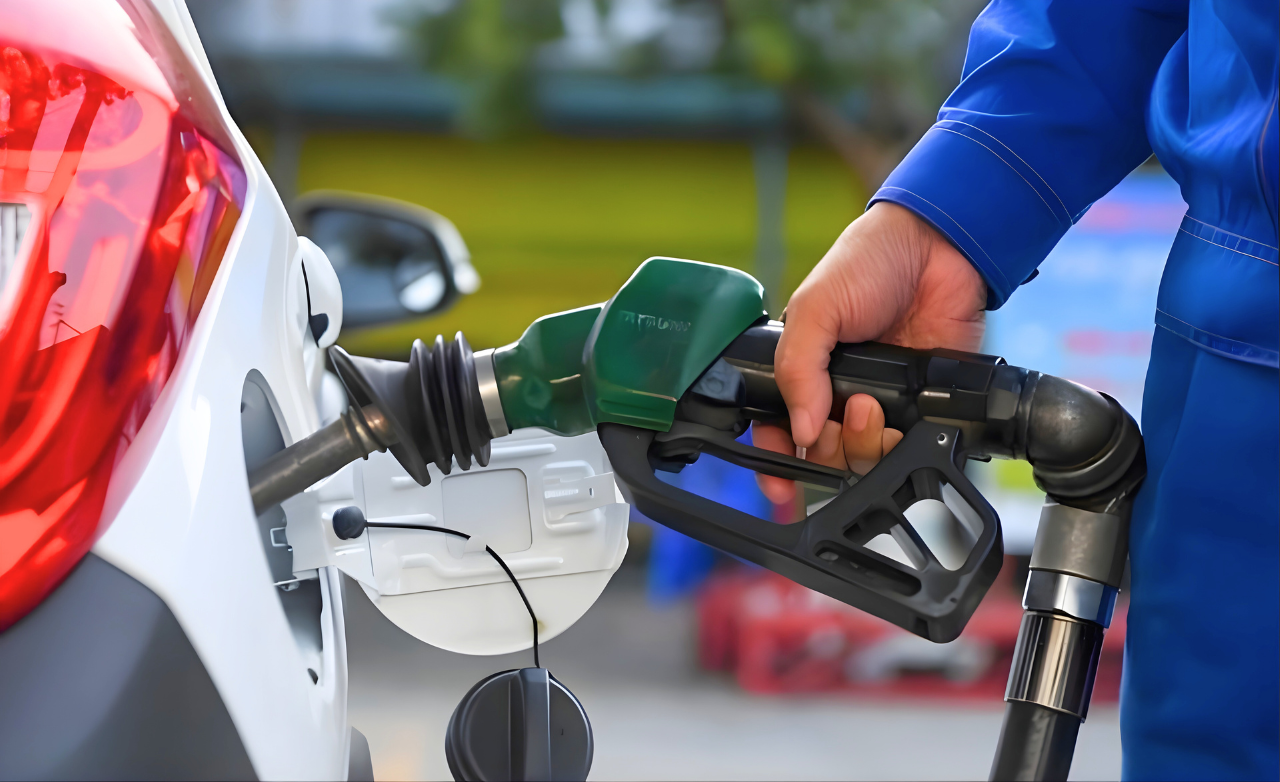
The global energy market is trembling as Middle East tensions escalate. As of March 9, 2026, crude oil has shattered resistance levels, surging past $109 per barrel. For Vietnam, this “oil shock” is a crisis at the pump. Vietnam fuel prices are now set for their most significant upward adjustment in years. This change occurs during the March 12 management cycle.
The Catalyst: Why Global Oil Surpassed $109/Barrel
Geopolitical friction in the Middle East is the primary driver of this volatility. This region is a critical energy producer. Any threat to its stability sends shockwaves through the market.
-
Supply Chain Vulnerability: Threat assessments near the Strait of Hormuz—a chokepoint through which 20% of the world’s oil passes—have led to a “risk premium” being added to every barrel.
-
Speculative Pressure: Global traders are hedging against a long-term disruption, pushing prices toward levels not seen since the height of previous energy crises.
-
OPEC+ Stance: The lack of an immediate announcement from major oil-producing nations to increase output has left the market with a deficit, further fueling the price rally.
Detailed Projections: Vietnam Fuel Prices on March 12
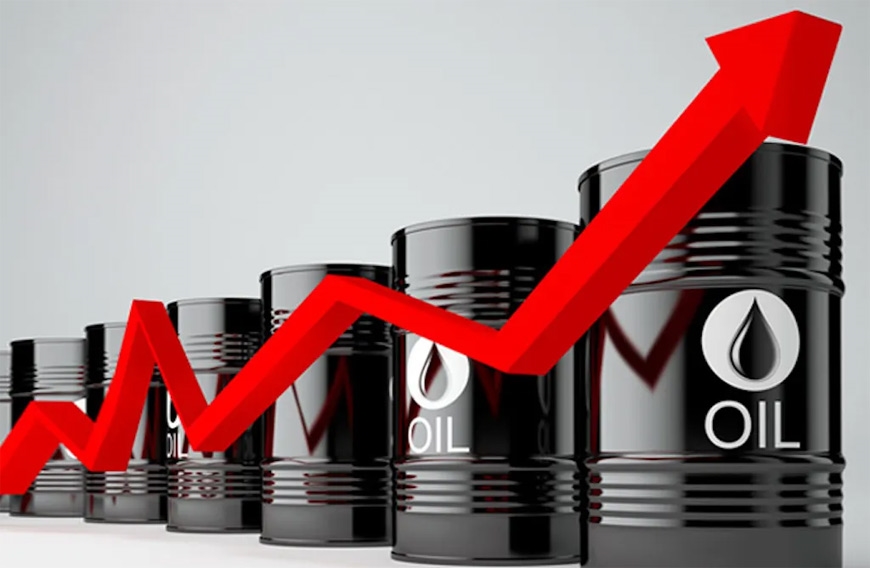
Domestic consumers and logistics providers are bracing for what could be a historic “Black Thursday” for fuel costs. Based on the current import price average, the gap between present retail prices and the world market is widening to an alarming degree.
-
RON 95 Gasoline: Anticipated to increase by approximately 5,300 VND per liter.
-
E5 RON 92 Gasoline: Forecasted to rise by 4,100 VND per liter.
-
Diesel (DO): In a staggering move, Diesel—the backbone of the transport industry—is expected to jump by 7,300 VND per liter.
If these projections materialize, Vietnam fuel prices will reach a territory that tests the resilience of both individual household budgets and corporate bottom lines.
The Government’s Strategy: The 20% Stabilization Fund Proposal
Recognizing the potential for economic paralysis, the Ministry of Industry and Trade (MoIT) is scrambling to find a “buffer.” The central pillar of their strategy is the Price Stabilization Fund (Quỹ Bình ổn giá).
The Ministry has proposed an immediate 20% increase in the appropriation and utilization of this fund. The goal is simple: use the accumulated reserves to “pay” for a portion of the price hike, so the consumer doesn’t feel the full weight of the $109/barrel reality. However, critics and economists warn that if global prices remain high for an extended period, the fund may quickly deplete, leading to even more drastic adjustments in the future.
The Macroeconomic Ripple Effect
Vietnam fuel prices do not exist in a vacuum. Fuel is an “input of inputs,” meaning its price affects nearly every sector of the economy.
Vietnam has been successful in keeping inflation under control, but a sudden spike in energy costs threatens to push the Consumer Price Index (CPI) above target. When fuel prices rise, the cost of harvesting crops, running factories, and delivering groceries all increase. This often leads to “cost-push inflation,” where consumers pay more for basic goods.
For a logistics-heavy economy like Vietnam, the impact is immediate. Fuel typically accounts for 30% to 40% of the total operating costs for trucking and shipping companies. A 7,300 VND increase in Diesel is not just a marginal cost; it is a threat to the viability of many SMEs in the logistics sector.
In the face of rising Vietnam fuel prices, businesses cannot afford to take a “wait and see” approach. Strategic pivoting is essential to survive the oil shock.
-
Fuel Hedging and Contracts: Large-scale logistics providers should look into long-term fuel supply contracts to lock in prices or mitigate short-term volatility.
-
Route Optimization: Utilizing AI and advanced GPS tracking to minimize idle time and empty miles is no longer a luxury—it is a necessity.
-
Surcharge Transparency: Companies should communicate clearly with clients about “Fuel Surcharges.” Transparency in how fuel price fluctuations affect freight rates helps maintain trust during economic turbulence.
-
Energy Transition: This crisis serves as a reminder of the importance of shifting toward electric vehicles (EVs) or LNG-powered fleets for long-haul transport to reduce dependence on traditional fossil fuels.
Comparison with Regional Fuel Trends
When looking at Vietnam fuel prices, it is helpful to compare them with neighboring ASEAN countries. While Vietnam utilizes a stabilization fund, countries like Thailand and Malaysia often employ direct subsidies or different tax structures. However, the $109/barrel shock is universal. Every nation in Southeast Asia is currently grappling with the same dilemma: how to protect the poor from rising costs without bankrupting the national treasury.
The era of cheap energy appears to be on a temporary—if not permanent—hiatus. The March 12 adjustment for Vietnam fuel prices will be a defining moment for the 2026 economic calendar. While the government’s 20% stabilization proposal offers a glimmer of hope for a “softer landing,” the reality is that businesses and consumers must prepare for higher operational costs.
Monitoring the situation in the Middle East remains the key. As long as geopolitical tensions remain high, the pressure on Vietnam fuel prices will continue to mount.
Source: CafeF





 VN
VN