 info@mplogistics.vn
 (+84) 28 3811 9033


On April 16, 2026, Vietnam launched a landmark fiscal shift. The government slashed fuel taxes to 0%. Consequently, this strategic move aims to overhaul the nation’s economic landscape. It effectively cuts logistics costs and bolsters industrial competitiveness.
By slashing primary fuel taxes to an absolute 0%, the state sends a powerful signal of support. This help reaches both the industrial sector and the general public. Specifically, under Resolution No. 19/2026, the National Assembly authorized the full suspension of multiple taxes. These include the Environmental Protection Tax and the Special Consumption Tax on gasoline, diesel, and aviation fuel.
Furthermore, this policy remains in effect until June 30. It is not merely a technical adjustment. Instead, it acts as a comprehensive economic shield. This shield neutralizes volatile pressures from global energy markets. Thus, it provides a clear runway for domestic growth.
The anatomy of the 0% fuel taxes framework
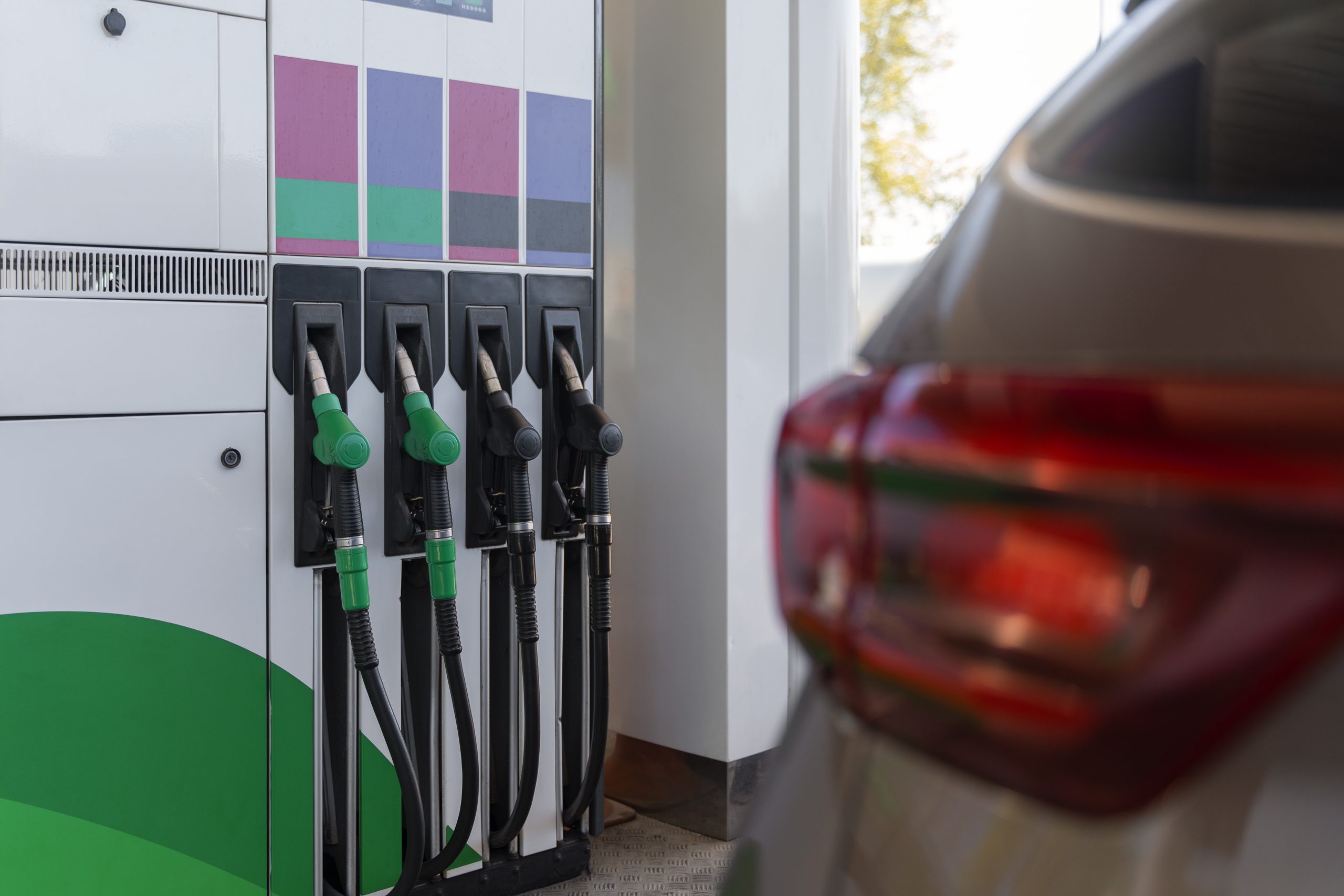
The implementation of this policy involves a multi-layered approach to tax reduction, ensuring that every drop of fuel moving through the Vietnamese economy is unburdened by traditional levies.
Total suspension of environmental protection taxes
Historically, the Environmental Protection Tax has been a fixed component of the retail fuel price. By bringing this to 0 VND, the government is stripping away a major cost layer for diesel and mazut – the lifeblood of heavy industry and maritime shipping – as well as jet fuel, which is critical for the recovery of the aviation and tourism sectors.
Elimination of special consumption tax (SCT)
The Special Consumption Tax, often seen as a luxury or “sin” tax, has long applied to gasoline. Reducing this to 0% recognizes that in 2026, fuel is an essential utility, not a luxury. This elimination allows for a significant drop in the “at-the-pump” price for millions of individual commuters and small-scale delivery services.
Value-added tax (VAT) neutrality
In tandem with the 0% rates, the government has streamlined VAT procedures. Gasoline and diesel are now classified as items that do not require VAT declaration or payment during the import and distribution stages, yet businesses retain the right to deduct input VAT. This ensures that cash flow remains within the company rather than being tied up in state tax cycles.
Empowering the logistics and transport backbone
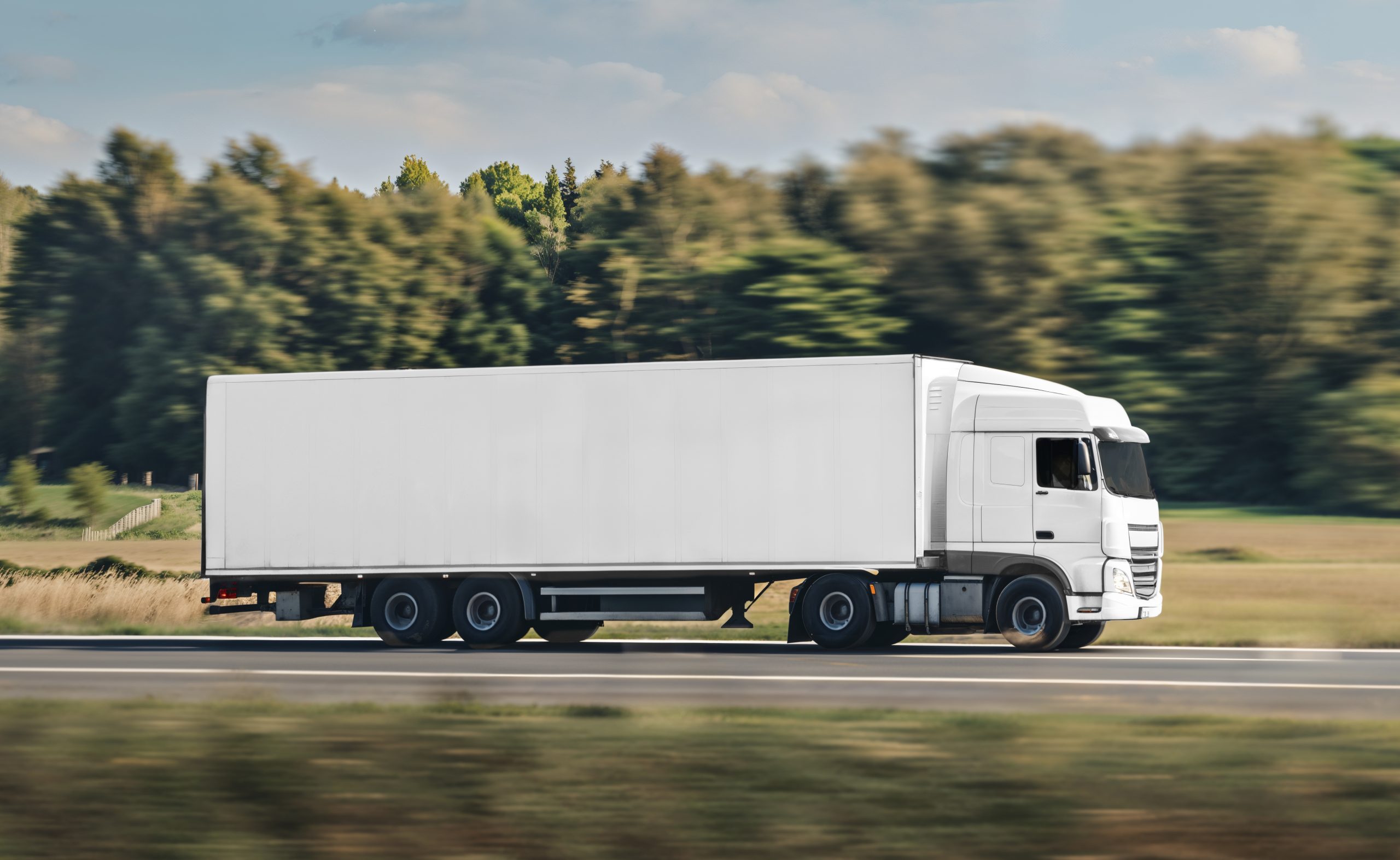
The bold elimination of fuel taxes provides immediate and profound relief for transport and delivery enterprises. In the logistics world, fuel typically accounts for 30% to 40% of total operating costs. By removing the tax burden, the government is drastically cutting operational overhead and allowing firms to stabilize their profit margins after a period of intense global price fluctuations.
Enhancing supply chain efficiency
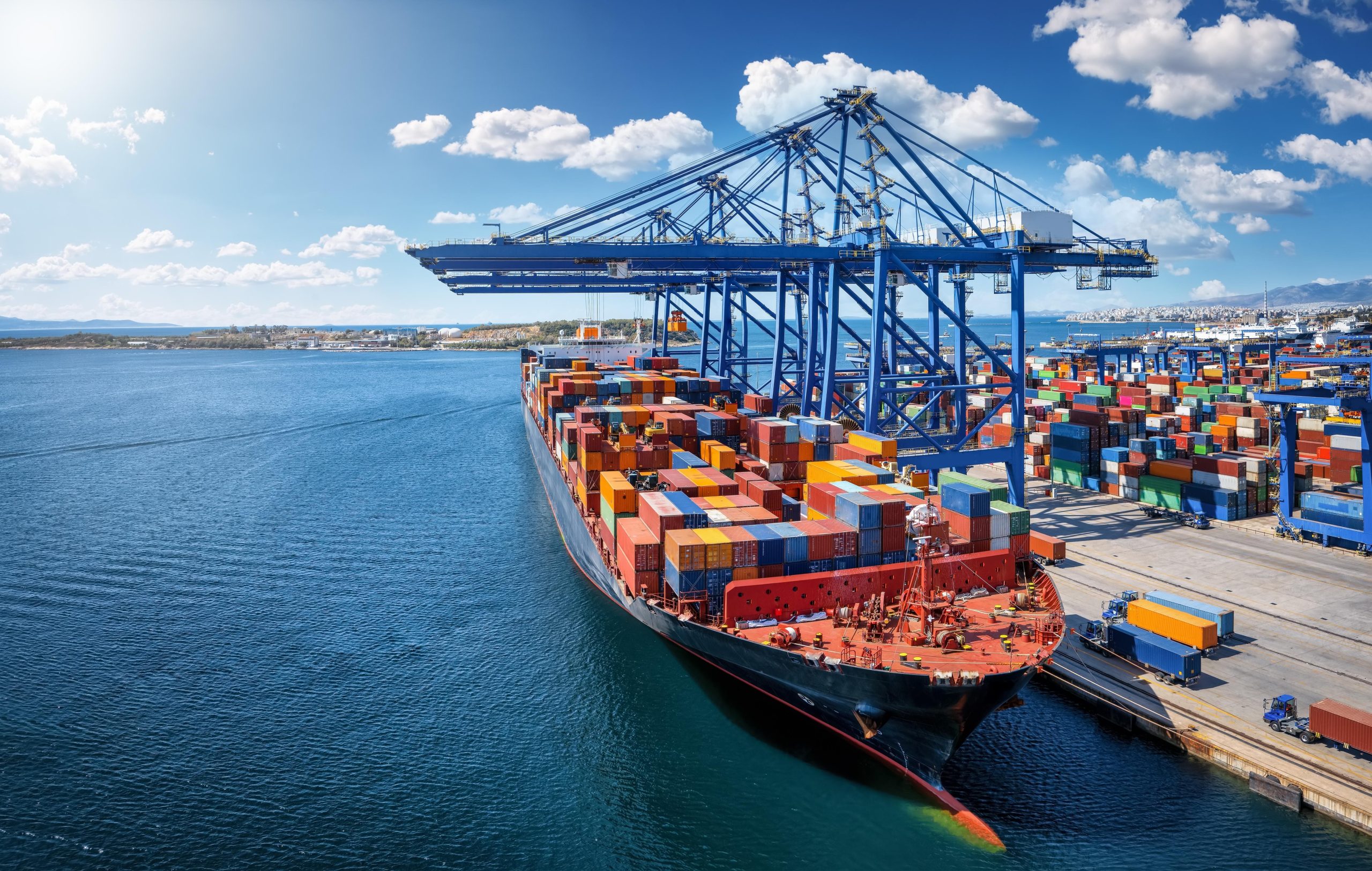
By lowering energy costs, this policy serves as a vital catalyst for supply chain efficiency. Logistics providers are now empowered to sustain high-volume operations without the looming threat of bankruptcy or service interruptions. This stability ensures the seamless movement of goods from remote production sites to global export ports like Hai Phong and Cat Lai.
Maintaining freight rate stability
One of the most critical outcomes of this policy is the ability for logistics firms to maintain current freight fees. Without the pressure of fuel taxes, there is no immediate need to pass higher costs onto manufacturers. This creates a “trickle-down” benefit: when shipping stays cheap, the final product stays affordable.
The fiscal trade-off: A 7.3 trillion VND commitment
To support this cooling of the economy, the State Budget will face a significant challenge. It is projected that the national treasury will see an average monthly revenue decrease of 7.3 trillion VND.
However, the government’s priority remains clear: sacrificing short-term tax revenue is a necessary trade-off to ensure long-term macroeconomic stability. The cost of a broken supply chain or a runaway inflation crisis would far exceed the 7.3 trillion VND monthly price tag. This is an investment in the “economic health” of the nation, ensuring that the wheels of commerce continue to turn despite global headwinds.
This 0% fuel tax policy is more than just a temporary discount; it is a strategic lifeline. It demonstrates a sophisticated understanding of the link between energy costs and national prosperity. As Vietnam moves through the second quarter of 2026, this “bold shield” will undoubtedly be the difference-maker in maintaining the country’s status as a leading global manufacturing and logistics hub.
Source: Dan Tri Newspaper
16/4/2026





 VN
VN