 info@mplogistics.vn
 (+84) 28 3811 9033


Vietnam’s Furniture and Fashion Exports are on a trajectory to reach $110 billion by 2029. Driven by a B2C e-commerce revolution, these sectors are transforming from traditional manufacturing into a global digital powerhouse for MSMEs.

The global trade landscape is undergoing a seismic shift, and at the heart of this transformation lies Southeast Asia’s manufacturing powerhouse: Vietnam. As traditional trade channels face fluctuating demands, a new engine of growth has emerged. Recent findings presented by Access Partnership and Amazon Global Selling Vietnam at a seminar organized by the Vietnam E-commerce Association (VECOM) reveal a staggering trajectory for the nation’s key industries. The focus? Furniture and Fashion Exports.
By 2029, the combined export turnover of Vietnam’s furniture and fashion sectors is projected to hit a monumental $110 billion. This isn’t just a marginal increase; it is a digital revolution fueled by Business-to-Consumer (B2C) e-commerce, offering Micro, Small, and Medium Enterprises (MSMEs) a direct ticket to the global stage.
The New Export Paradigm: Why Furniture and Fashion?
Vietnam has long been recognized as a global hub for furniture manufacturing and garment production. However, the transition from “Made in Vietnam” to “Sold Globally via E-commerce” is the defining trend of the current decade. The report highlights that Furniture and Fashion Exports via B2C e-commerce are expected to grow significantly faster than traditional export methods.
Furniture: Crafting a Digital Legacy

The furniture industry is set to see its export value rise from approximately $14 billion (343 trillion VND) in 2024 to $22 billion (540 trillion VND) by 2029. More impressively, e-commerce exports in this sector are forecasted to grow by 20% annually – double the rate of traditional channels. From handcrafted wooden tables to modern kitchenware, Vietnamese artisans are now reaching living rooms in New York, London, and Tokyo without the need for traditional intermediaries.
Fashion: The High-Speed Digital Runway
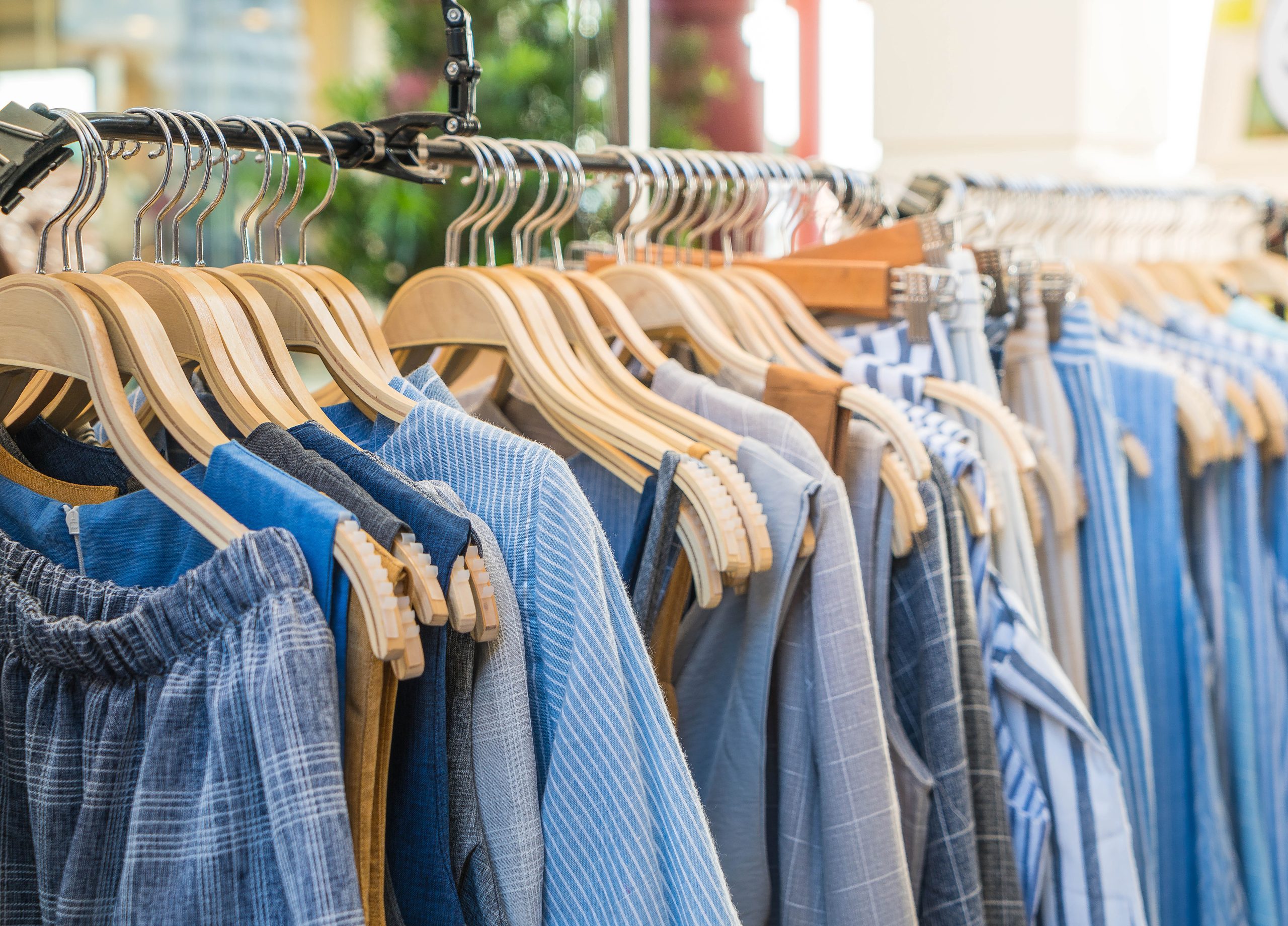
The fashion sector presents an even more aggressive growth curve. With a projected turnover of $88 billion (2,137 trillion VND) by 2029, fashion e-commerce is expected to grow five times faster than traditional export routes, at a rate of 26% per year. Vietnam’s robust textile infrastructure provides the perfect foundation for brands to scale quickly on global platforms like Amazon.
Strategic Opportunities for MSMEs
For Micro, Small, and Medium Enterprises (MSMEs), e-commerce is no longer an “optional” secondary channel; it is a survival and growth imperative. According to the Access Partnership study, 97% of MSMEs in the furniture and fashion sectors believe that e-commerce is essential for their future growth. Furthermore, 96% of these businesses acknowledge that digital adoption has directly enhanced their global competitiveness.
The democratization of trade through platforms like Amazon allows a small workshop in Binh Duong or a textile mill in Nam Dinh to compete on equal footing with global giants. By leveraging Furniture and Fashion Exports through digital storefronts, these businesses can bypass the high costs of physical showrooms and complex distributor networks.
Overcoming the Four Pillars of Barriers
Despite the optimistic forecasts, the road to $110 billion is not without hurdles. The report identifies four critical barriers that MSMEs must navigate:
- Cost Management: Shipping bulky furniture or high-volume apparel internationally involves complex pricing structures.
- Regulatory Complexity: Navigating international trade laws, tax compliance, and product safety standards (like FSC for wood or textile certifications).
- Knowledge Gaps: Many businesses lack the digital marketing skills required to build a brand presence overseas.
- Logistics and Supply Chain: Managing inventory across borders and ensuring timely last-mile delivery.
Sustainable Growth and the Future Outlook

The future of Furniture and Fashion Exports in Vietnam lies in the transition from “OEM” (Original Equipment Manufacturing) to “OBM” (Original Brand Manufacturing). E-commerce provides the data and direct customer feedback necessary for Vietnamese businesses to design their own brands, tailor products to international tastes, and command higher margins.
As VECOM and Amazon continue to foster an ecosystem of support, Vietnam is well-positioned to become a regional hub for high-quality e-commerce exports. The synergy between traditional manufacturing excellence and modern digital logistics is the key that will unlock the $110 billion potential.
The shift toward Furniture and Fashion Exports via e-commerce represents a once-in-a-generation opportunity for Vietnam. By embracing digital platforms, overcoming logistical hurdles, and focusing on brand building, Vietnamese enterprises can ensure that the “Made in Vietnam” label is synonymous with quality, innovation, and global accessibility in the digital age.
Source: Vietnam Logistics Review
17/4/2026






 VN
VN