 info@mplogistics.vn
 (+84) 28 3811 9033


Vietnam’s industrial production recorded a strong acceleration in the first eight months of 2026, with the Index of Industrial Production (IIP) increasing by 11.9% year on year. The growth marks a multi-year high and highlights the continued recovery of Vietnam’s manufacturing sector.
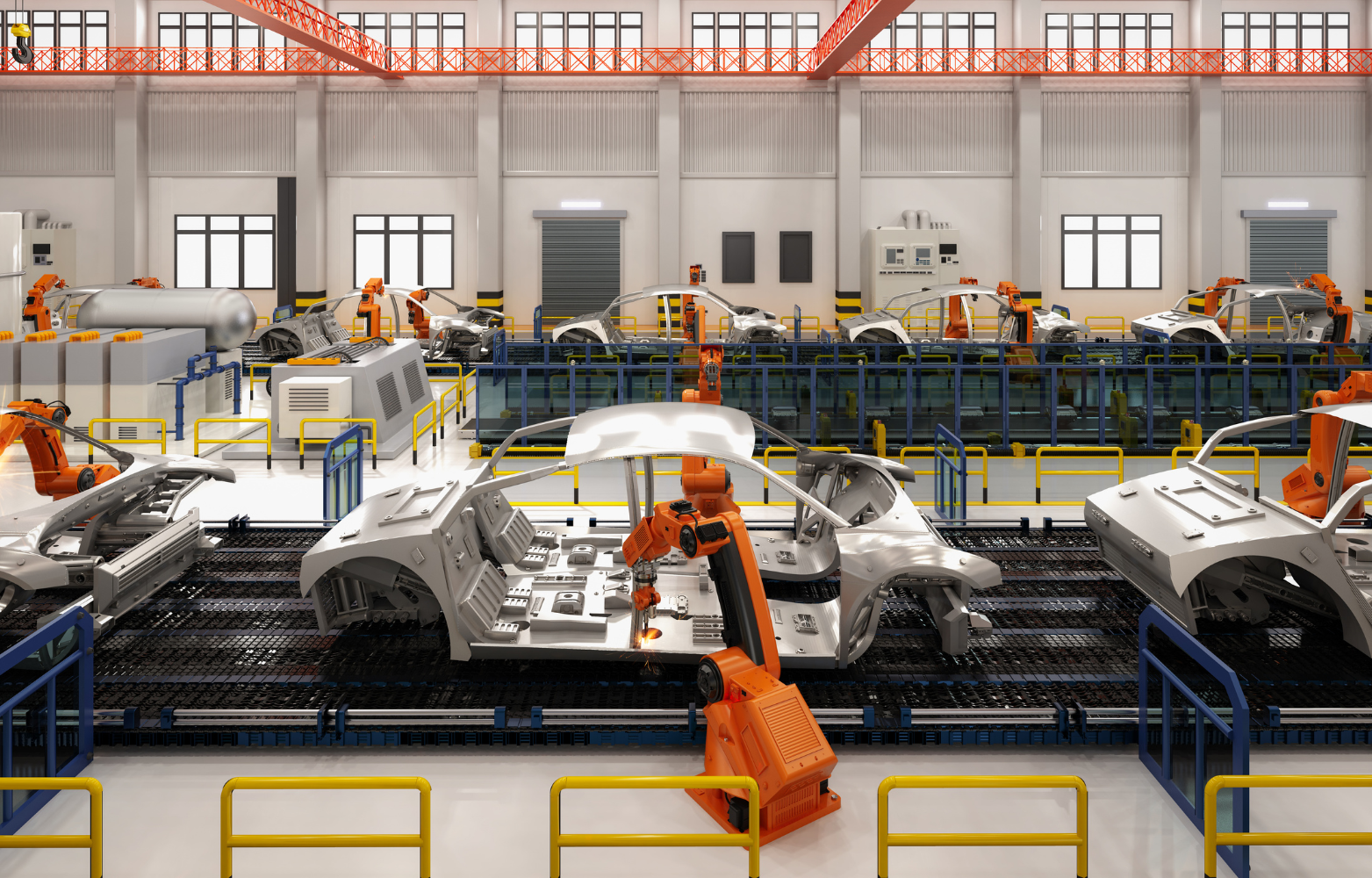
The manufacturing and processing industry remained the main driver of this expansion. As factories increase production capacity and labor constraints ease, the impact is extending beyond manufacturing floors to the wider supply chain. Higher output means greater demand for raw materials, transportation, warehousing, freight forwarding, and international shipping.
For manufacturers, exporters, and logistics providers, Vietnam’s industrial production growth is therefore becoming an important indicator of rising cargo volumes and stronger logistics demand.
Vietnam’s industrial production reaches a new high
The 11.9% increase in Vietnam’s IIP in the first eight months of 2026 represents a significant improvement in industrial activity.
Industrial production is closely connected to the performance of the broader economy because higher factory output typically generates additional demand for raw materials, machinery, components, packaging, transportation, and storage.
The latest growth therefore provides an important signal for businesses operating across manufacturing and supply chain networks.
For manufacturers, higher industrial output means factories are operating at greater capacity and production schedules are becoming more active. For logistics providers, meanwhile, increased production creates additional cargo movements between suppliers, factories, distribution centers, ports, and international markets.
This makes industrial production growth an important indicator not only for manufacturers but also for the logistics and freight forwarding industry.
Manufacturing and processing remain the key growth engine
The manufacturing and processing industry continued to play the leading role in Vietnam’s industrial recovery.
Vietnam has increasingly positioned itself as an important manufacturing base in Southeast Asia, attracting investment across electronics, machinery, textiles, footwear, furniture, food processing, and other industrial sectors.
When production lines expand, the impact extends far beyond the factory floor.
Manufacturers need to secure sufficient supplies of:
- Raw materials
- Components and spare parts
- Packaging materials
- Production equipment
- Warehousing capacity
- Domestic transportation
- International freight services
As a result, stronger manufacturing activity can trigger a chain reaction throughout the entire supply chain.
A factory producing more goods requires more inbound shipments of materials and components. Once finished products are completed, those goods must then be transported to distribution centers, ports, retailers, or overseas customers.
The increase in industrial production therefore has a direct relationship with cargo volume and logistics demand.
Higher factory output creates stronger logistics demand
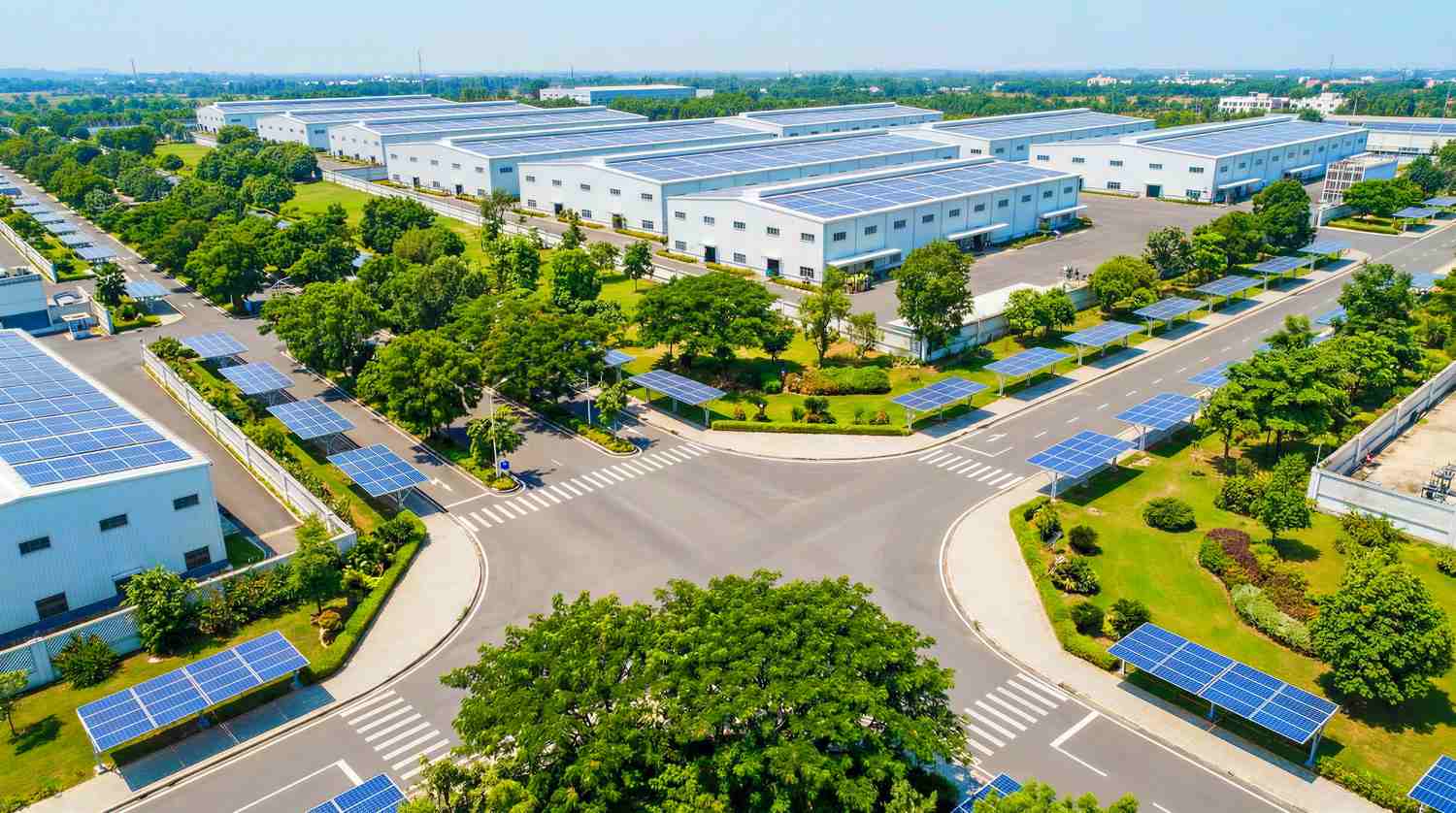
The relationship between manufacturing growth and logistics is straightforward: more production means more goods moving through the supply chain.
As factories increase their utilization rates, inbound logistics activities can rise alongside the volume of raw materials and components entering production facilities.
At the same time, higher finished-goods output creates additional outbound transportation requirements.
This can increase demand for:
- FCL and LCL shipping
- Container trucking
- Port handling
- Warehousing
- Customs clearance
- Freight forwarding
- Distribution services
For businesses involved in international trade, the impact can be particularly significant.
Higher production capacity can lead to larger export orders, more frequent shipments, and greater pressure on companies to optimize freight costs and delivery schedules.
This creates opportunities for logistics providers while also requiring manufacturers to improve their supply chain planning.
Labor recovery supports industrial expansion

Another important factor behind the recovery is the gradual improvement in labor availability.
Manufacturing is highly dependent on workforce stability. When factories face labor shortages, production capacity can remain below potential even when market demand is strong.
As labor constraints are addressed, manufacturers can increase operating hours, expand production lines, and improve overall capacity utilization.
This creates a positive cycle:
More workers → higher production capacity → more finished goods → higher cargo volume → stronger logistics demand.
The impact is especially important for labor-intensive industries such as textiles, footwear, furniture, and certain consumer-goods manufacturing segments.
For logistics companies, stronger factory activity can translate into more frequent trucking movements, container bookings, warehouse requirements, and international shipments.
What does Vietnam’s IIP growth mean for the supply chain?
The 11.9% increase in industrial production sends an important signal to businesses across Vietnam’s supply chain.
First, manufacturers may need to reassess their inventory and procurement strategies. Higher production levels can increase the volume of imported raw materials and components, making accurate demand forecasting increasingly important.
Second, companies may need to secure additional warehouse and transportation capacity. When cargo volumes rise quickly, insufficient logistics capacity can lead to higher costs, delays, and operational bottlenecks.
Third, exporters should pay closer attention to freight planning and shipping schedules. Higher production does not automatically translate into higher profitability if transportation costs and supply chain inefficiencies are not properly controlled.
For businesses managing international shipments, choosing the right Incoterms, optimizing container utilization, and monitoring local charges can become increasingly important as shipment frequency increases.
Opportunities for Vietnam’s logistics industry
Vietnam’s industrial expansion could provide a strong foundation for continued growth in the logistics sector.
As manufacturing output increases, logistics providers can benefit from rising demand for integrated services covering the entire supply chain.
This includes:
Inbound logistics: transporting raw materials, machinery, and components to factories.
Production logistics: supporting the movement and storage of materials within manufacturing networks.
Outbound logistics: moving finished goods from factories to warehouses, distribution centers, and ports.
International logistics: handling ocean freight, air freight, customs procedures, and cross-border shipments.
The stronger the manufacturing base becomes, the greater the need for logistics networks capable of handling higher volumes while maintaining competitive costs and reliable delivery times.
Businesses need to prepare for higher cargo volumes
The latest industrial production figures highlight a broader trend: Vietnam’s manufacturing ecosystem is entering a period of stronger activity.
For manufacturers and exporters, this is an opportunity to scale production and capture growing demand. However, expansion also brings new supply chain challenges.
Companies should review their logistics capacity, including transportation partners, warehouse availability, freight contracts, customs processes, and inventory planning.
Particular attention should also be given to freight costs. When shipment volumes increase, even relatively small differences in transportation rates, local charges, or handling fees can have a meaningful impact on total logistics expenditure.
A proactive approach to supply chain management can therefore help businesses convert higher production into sustainable growth rather than additional operational pressure.
Vietnam’s industrial recovery strengthens the supply chain outlook
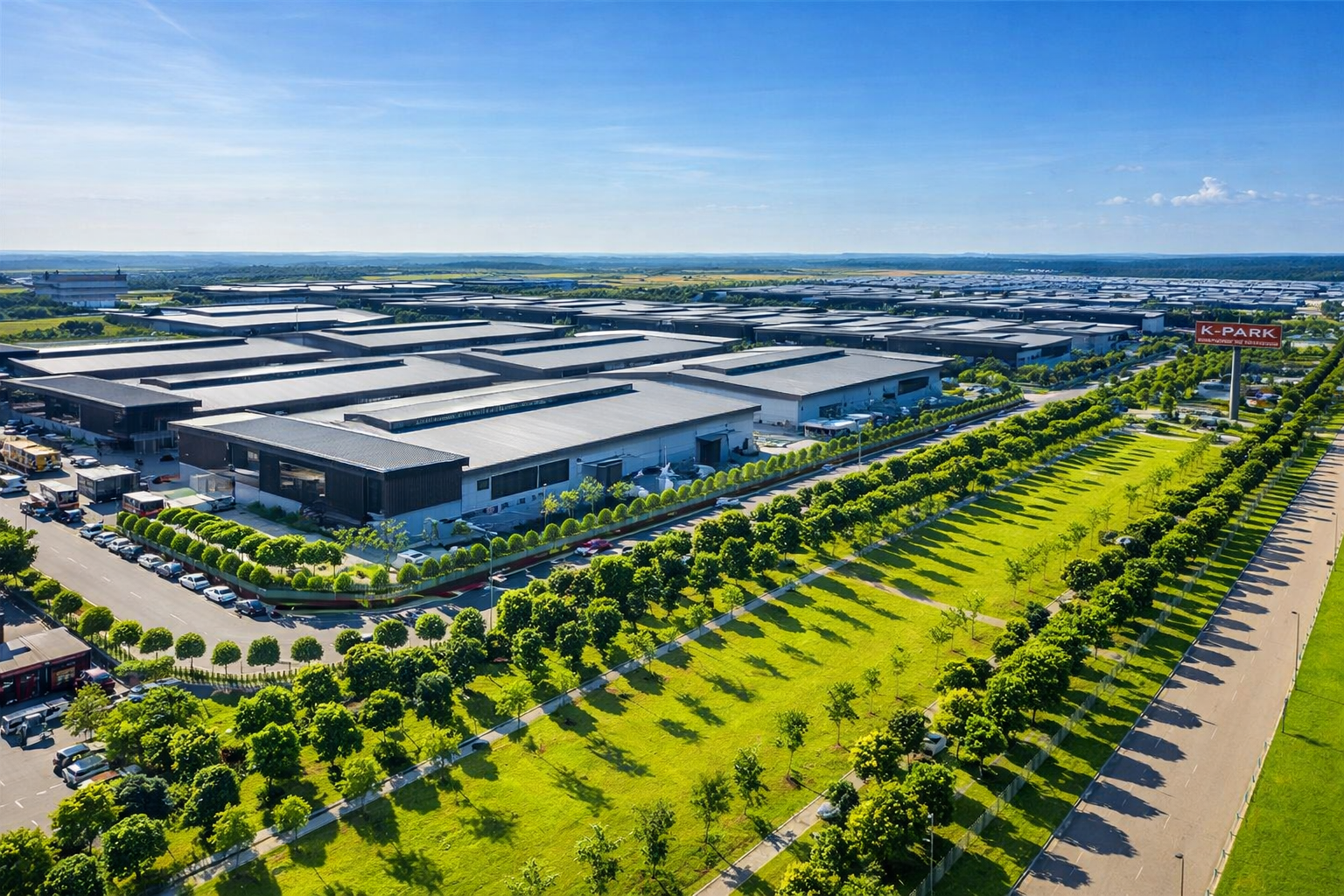
Vietnam’s 11.9% IIP growth in the first eight months of 2026 is more than a positive industrial statistic. It reflects a broader acceleration in manufacturing activity and creates momentum across the country’s supply chain.
With manufacturing and processing continuing to lead industrial growth, factories are increasing production capacity, labor constraints are easing, and the movement of raw materials and finished goods is accelerating.
For the logistics industry, this translates into a stronger outlook for freight transportation, warehousing, customs clearance, container shipping, and supply chain services.
As Vietnam continues to expand its manufacturing footprint, the ability to manage cargo volume, freight costs, inventory, and delivery performance will become increasingly important.
The next phase of growth will therefore depend not only on how much Vietnam can produce, but also on how efficiently businesses can move those goods through the supply chain and into global markets.





 VN
VN