 info@mplogistics.vn
 (+84) 28 3811 9033


From October 1, 2026, Decree 365/2026/ND-CP officially takes effect, introducing new regulations on the trading and import-export of rice and creating a more flexible framework for Vietnam’s rice exports activities.
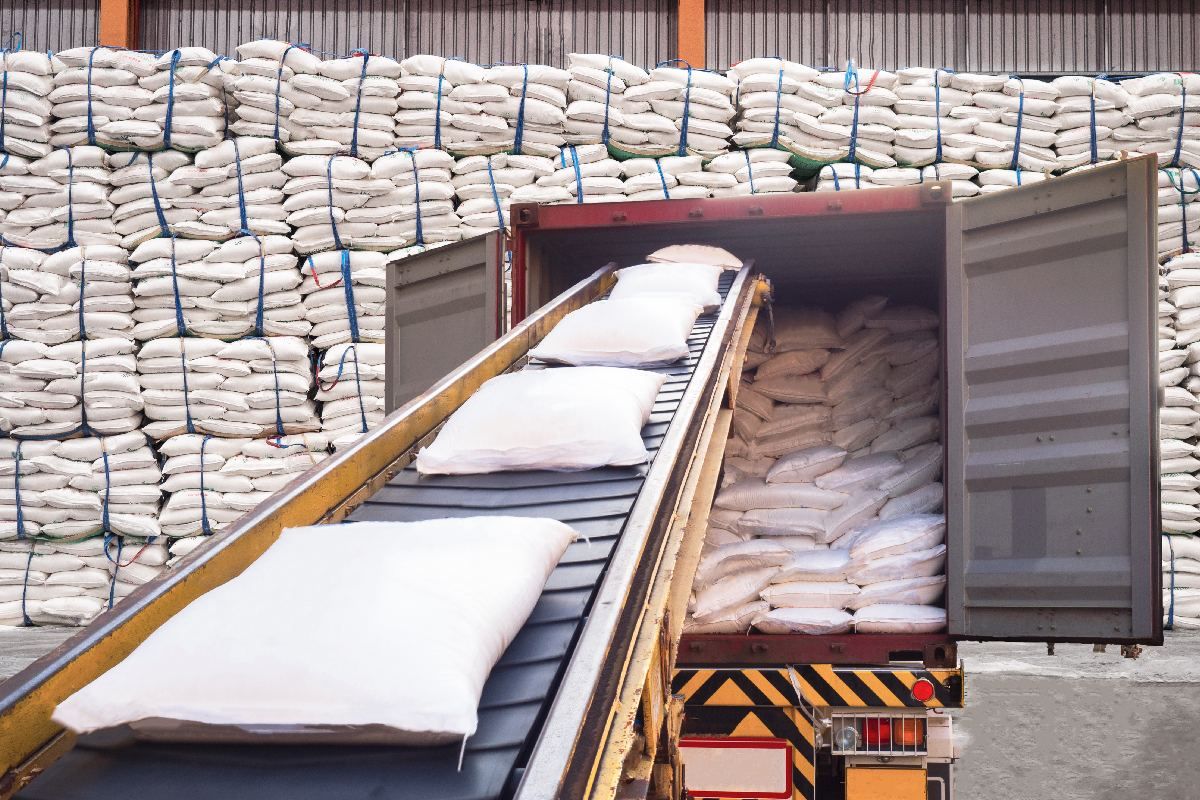
The new decree reduces certain business requirements for rice exporters and introduces specific facilitation measures for organic rice, parboiled rice, and micronutrient-fortified rice. The changes provide greater flexibility for businesses to diversify rice products, develop higher-value segments, and expand into international markets.
Decree 365/2026/ND-CP Takes Effect From October 1, 2026
Issued by the Government on September 23, 2026, Decree 365/2026/ND-CP regulates the trading and import-export of paddy and rice products.
The decree takes effect from October 1, 2026, replacing Decree 107/2018/ND-CP and Decree 01/2025/ND-CP, which previously governed Vietnam’s rice export business.
The new framework aims to align rice export regulations more closely with current market conditions while reducing unnecessary requirements for businesses.
For traders that have already obtained a Certificate of Eligibility for Rice Export Business under the previous regulations, transitional provisions allow them to continue operating according to the validity period of their existing certificates.
This provides continuity for businesses while the new regulatory framework comes into effect.
Rice Export Requirements Are Reduced
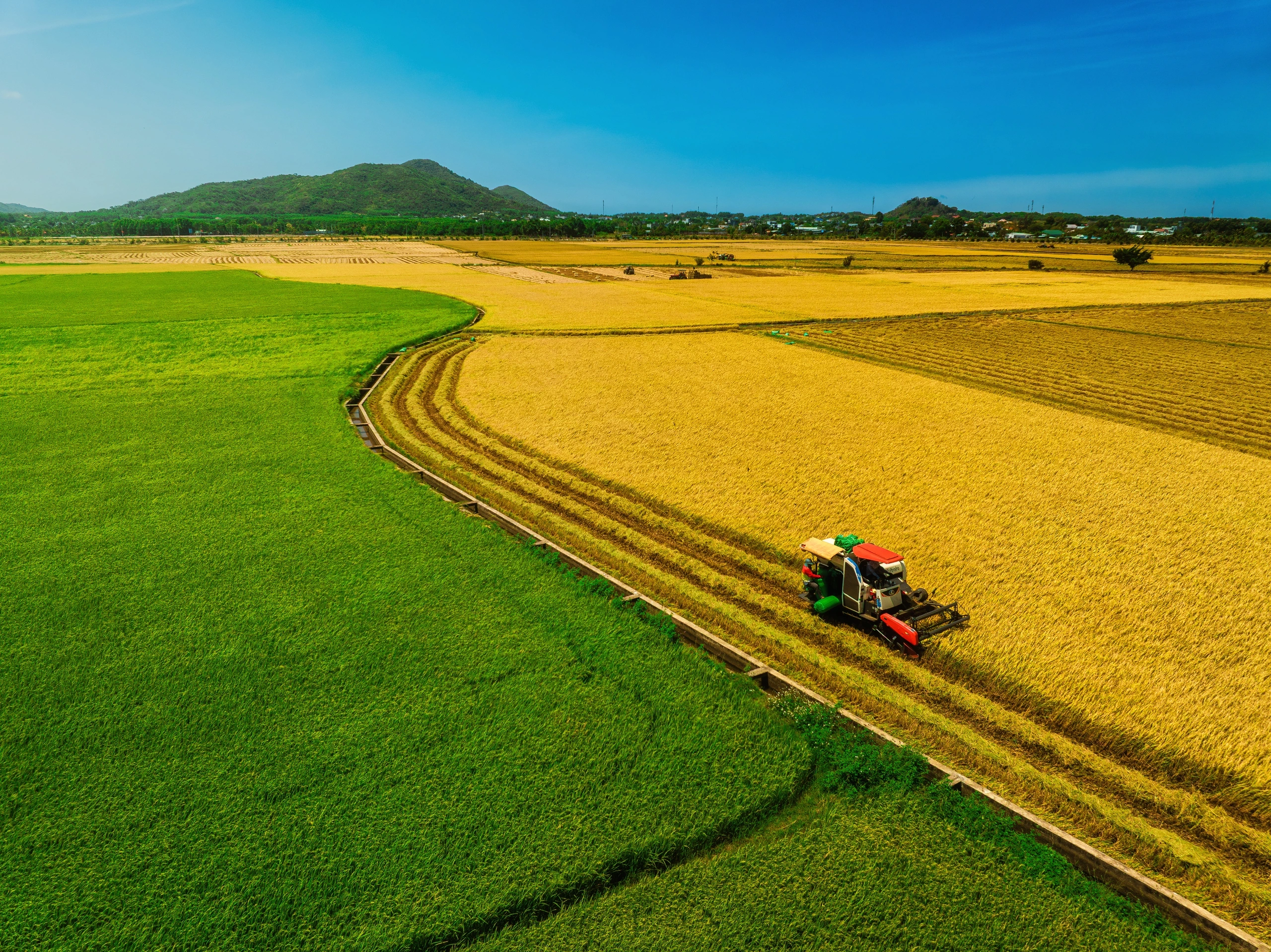
One of the notable changes under Decree 365/2026/ND-CP is the reduction in requirements for ordinary rice export businesses.
Under the new regulations, eligible traders must have at least one specialized warehouse for storing paddy and rice and one rice milling facility that meet applicable food safety, technical standards, and regulatory requirements.
These facilities may be owned by the trader or legally leased from another organization or individual.
The adjustment reduces the number of business conditions compared with the previous framework and gives traders greater flexibility in organizing their production and logistics networks.
However, reducing business conditions does not mean reducing product quality requirements.
Exported rice must still comply with applicable technical standards and regulations, as well as requirements imposed by importing markets concerning quality, packaging, labeling, storage, and traceability.
Greater Facilitation for Organic, Parboiled and Fortified Rice
Another important change is the preferential treatment for specific rice product categories.
Under Decree 365/2026/ND-CP, traders exporting organic rice, parboiled rice, and micronutrient-fortified rice are exempt from certain requirements applicable to ordinary rice exporters.
These traders are not required to meet certain conditions concerning specialized warehouses and rice milling facilities for the purpose of obtaining the relevant certificate. They are also exempt from certain circulation-stock and periodic reporting requirements under the decree.
The changes create additional room for businesses developing specialized rice products with higher added value.
Instead of focusing solely on export volume, businesses can expand their product portfolios based on the specific requirements and preferences of international markets.
This approach also supports the broader development of Vietnam’s rice exports toward more diversified and value-added products.
New Rules Create More Flexibility for Exporters
The reduction of business requirements can give rice exporters greater flexibility when organizing their operations.
For new market participants, the revised framework provides clearer requirements for establishing export operations. Meanwhile, businesses with existing production, processing, and distribution networks can select operating models that better match their scale and supply chain structure.
Specialized rice products may also gain additional opportunities to access international markets.
Organic rice, parboiled rice, and micronutrient-fortified rice are often associated with specific consumer preferences and market standards. This makes product quality, certification, packaging, labeling, and traceability increasingly important throughout the export process.
Decree 365 also assigns responsibilities to relevant authorities for market development, trade promotion, market information, and addressing trade barriers affecting Vietnam’s rice exports.
Quality and Traceability Remain Key Requirements

Although the new decree reduces certain business conditions, exporters remain responsible for meeting applicable product requirements.
Exported rice must comply with relevant national standards and technical regulations, as well as requirements imposed by the destination market.
These requirements may cover product quality, packaging, labeling, storage, and traceability.
Where an importer or destination market establishes additional requirements, exporters must ensure that the shipment meets those conditions.
This means that regulatory facilitation should be viewed alongside continued requirements for quality management and supply chain control.
For exporters, maintaining accurate product information, documentation, packaging records, and traceability data will remain important when serving international customers.
Decree 365 Supports the Development of Vietnam’s Rice Exports
Decree 365/2026/ND-CP introduces significant adjustments to Vietnam’s rice export framework from October 1, 2026.
The reduction of business requirements and additional facilitation for organic, parboiled, and micronutrient-fortified rice provide greater flexibility for businesses while supporting product diversification and higher-value export segments.
As Vietnam continues to strengthen its position in international rice markets, the new regulatory framework can provide additional room for exporters to develop specialized products and expand their market reach.
For businesses, understanding the new requirements and preparing across documentation, product quality, traceability, customs procedures, and logistics will remain essential to maintaining efficient and reliable rice export operations.
Source: VnEconomy
23/09/2026





 VN
VN