 info@mplogistics.vn
 (+84) 28 3811 9033


Vietnam is set to achieve a significant milestone in Southeast Asia’s economic landscape, with the International Monetary Fund (IMF) projecting the country to become ASEAN’s second-largest economy by purchasing power parity (PPP), surpassing Thailand and ranking behind only Indonesia. With its GDP PPP expected to reach approximately US$2.025 trillion in 2026, Vietnam continues to strengthen its economic potential and attractiveness as a destination for trade and investment.
1. Vietnam Surpasses Thailand to Become ASEAN’s Second-Largest Economy by GDP PPP
According to the International Monetary Fund’s (IMF) April 2026 projections, Vietnam’s gross domestic product based on purchasing power parity (GDP PPP) is expected to reach approximately US$2.025 trillion. This would position Vietnam as the second-largest economy in ASEAN by this measure, overtaking Thailand and trailing only Indonesia.
This milestone highlights the continued expansion of Vietnam’s economy, as Southeast Asia strengthens its role as one of Asia’s key economic growth centers.
GDP based on purchasing power parity (PPP) is an economic indicator that adjusts for differences in the prices of goods and services across countries. Unlike nominal GDP, which is converted using market exchange rates, PPP provides a more comparable measure of economic output and domestic purchasing power.
Therefore, Vietnam’s rising GDP PPP reflects the expanding scale of its economic activities and the growing purchasing capacity of its domestic market.
2. Key Drivers Behind Vietnam’s Expanding Economic Scale
Vietnam’s improved economic ranking is supported by several interconnected growth drivers, particularly industrial production, investment inflows, and domestic consumption.
2.1. Industrial Production Remains a Key Growth Engine
Manufacturing and processing industries continue to serve as major pillars of Vietnam’s economy. The country is becoming increasingly integrated into global supply chains, particularly in electronics, machinery, equipment, textiles, and components.
The expansion of manufacturing capacity not only contributes to GDP growth but also generates greater demand for raw material transportation, warehousing, distribution, and export services.
This development further strengthens Vietnam’s position as an attractive manufacturing and sourcing destination for international businesses seeking to diversify their supply chains across Southeast Asia.
2.2. Domestic and Foreign Investment Support Economic Expansion
Both domestic investment and foreign direct investment (FDI) play essential roles in expanding Vietnam’s economic capacity.
Continued investment by international companies in factories, production facilities, and distribution networks contributes to industrial development, employment creation, and technology transfer.
At the same time, investment in transportation infrastructure, seaports, airports, and industrial parks helps improve cargo flows, reduce logistics costs, and enhance business competitiveness.
2.3. Domestic Consumption Continues to Expand
With a large population and a growing middle class, Vietnam offers significant potential as a consumer market.
Demand for consumer goods, food products, electronics, vehicles, and services continues to diversify. This creates opportunities for businesses to expand operations, develop retail networks, and invest in supply chain infrastructure.
The growth of domestic consumption also strengthens the economy’s resilience against fluctuations in international markets.
3. IMF Projects Vietnam’s GDP Growth at 7.1% in 2026
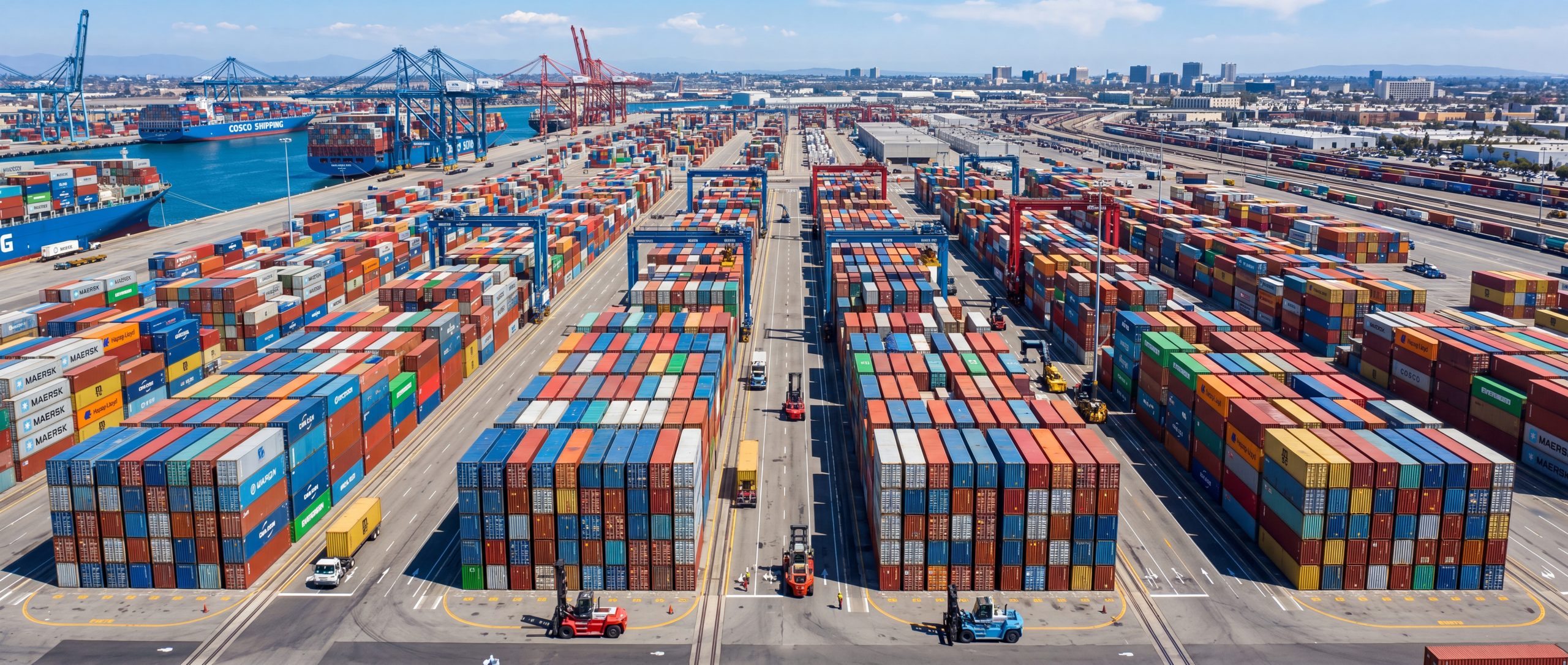
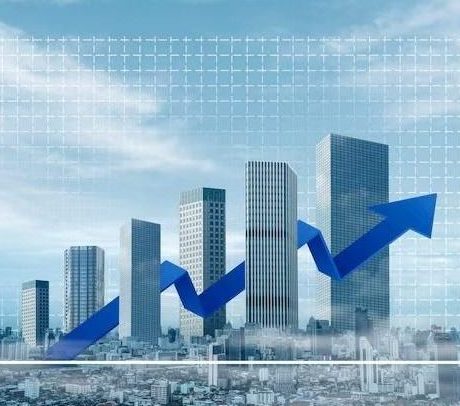
Alongside its expanding economic scale, the IMF projects Vietnam’s real GDP to grow by 7.1% in 2026.
This forecast reflects a positive economic outlook as Vietnam continues to promote manufacturing activities, infrastructure investment, and international trade integration.
Strong economic growth is expected to generate positive effects across several sectors:
- Manufacturing: Factory expansion and increased production capacity will drive demand for raw materials, machinery, and imported equipment.
- International Trade: Higher manufacturing output will create opportunities to expand exports and strengthen Vietnam’s participation in global markets.
- Consumer Markets: Rising incomes and consumption demand will support the development of retail, distribution, and e-commerce activities.
- Investment: Positive growth prospects will help reinforce investor confidence and attract further domestic and international investment.
However, sustaining this growth momentum will require continued improvements in labor productivity, supporting industries, workforce quality, and economic resilience amid global uncertainties.
4. Growth Opportunities for Vietnam’s Logistics and International Trade Sectors
Vietnam’s expanding economic scale presents significant opportunities for the logistics industry. As manufacturing, investment, and domestic consumption increase, demand for cargo transportation and supply chain management is also expected to grow.
Several logistics segments are particularly well-positioned to benefit:
International Transportation and Freight Forwarding
Increasing import and export volumes will create greater demand for sea freight, air freight, and multimodal transportation services.
Warehousing and Inventory Management
The expansion of industrial parks and distribution centers will drive demand for modern warehousing, storage solutions, and professional inventory management.
Customs Clearance Services
Growing international trade activities will increase the need for customs declarations, goods classification, document verification, and import-export compliance services.
Supply Chain Management
Businesses increasingly require integrated logistics solutions to optimize delivery schedules, control operating costs, and improve overall supply chain efficiency.
To capitalize on these opportunities, logistics providers will need to accelerate technology adoption, improve service quality, and develop more flexible transportation networks. These capabilities will be essential to meeting the increasingly sophisticated demands of the market.
5. Vietnam’s Outlook for Strengthening Its Economic Position in ASEAN
Being projected to rank second in ASEAN by GDP PPP represents an important step in strengthening Vietnam’s economic standing in the region.
Over the long term, the country’s strategic geographical location, workforce, extensive network of free trade agreements, and deeper integration into global supply chains will continue to support economic development.
However, a larger GDP PPP does not necessarily mean that income per capita, labor productivity, or living standards are equivalent to those of the region’s leading economies. Vietnam will need to maintain its focus on improving growth quality, technological innovation, value-added manufacturing, and infrastructure development.
These factors will determine the country’s ability to translate its expanding economic scale into sustainable competitiveness.

With GDP PPP projected to reach approximately US$2.025 trillion and economic growth forecast at 7.1% in 2026 by the IMF, Vietnam is strengthening its position as one of ASEAN’s most dynamic economies.
This progress represents more than an improvement in economic rankings. It also creates new opportunities across manufacturing, international trade, investment, and logistics.
As global supply chains continue to evolve, strengthening infrastructure and optimizing logistics operations will be essential for Vietnam to fully capitalize on its economic growth potential in the years ahead.



 VN