 info@mplogistics.vn
 (+84) 28 3811 9033


Effective from July 1, 2026, Vietnam’s Circular 31/2026/TT-BCT introduces a centralized traceability system for high-risk goods, promoting greater supply chain transparency while allowing voluntary participation for other products.
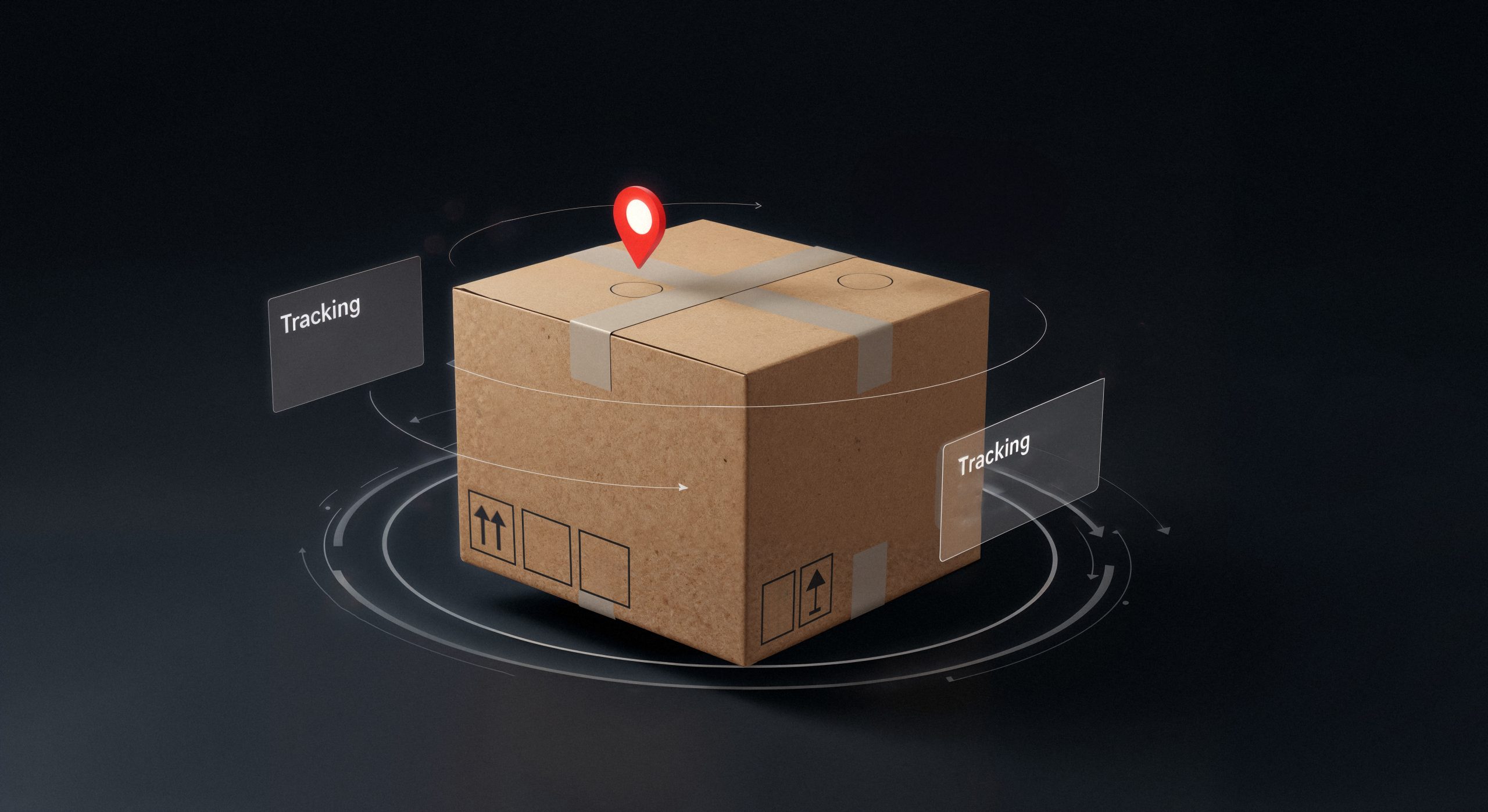
The new regulation is expected to strengthen product transparency, improve regulatory oversight, and support Vietnamese exporters in meeting increasingly stringent traceability requirements in international markets.
What is product traceability?
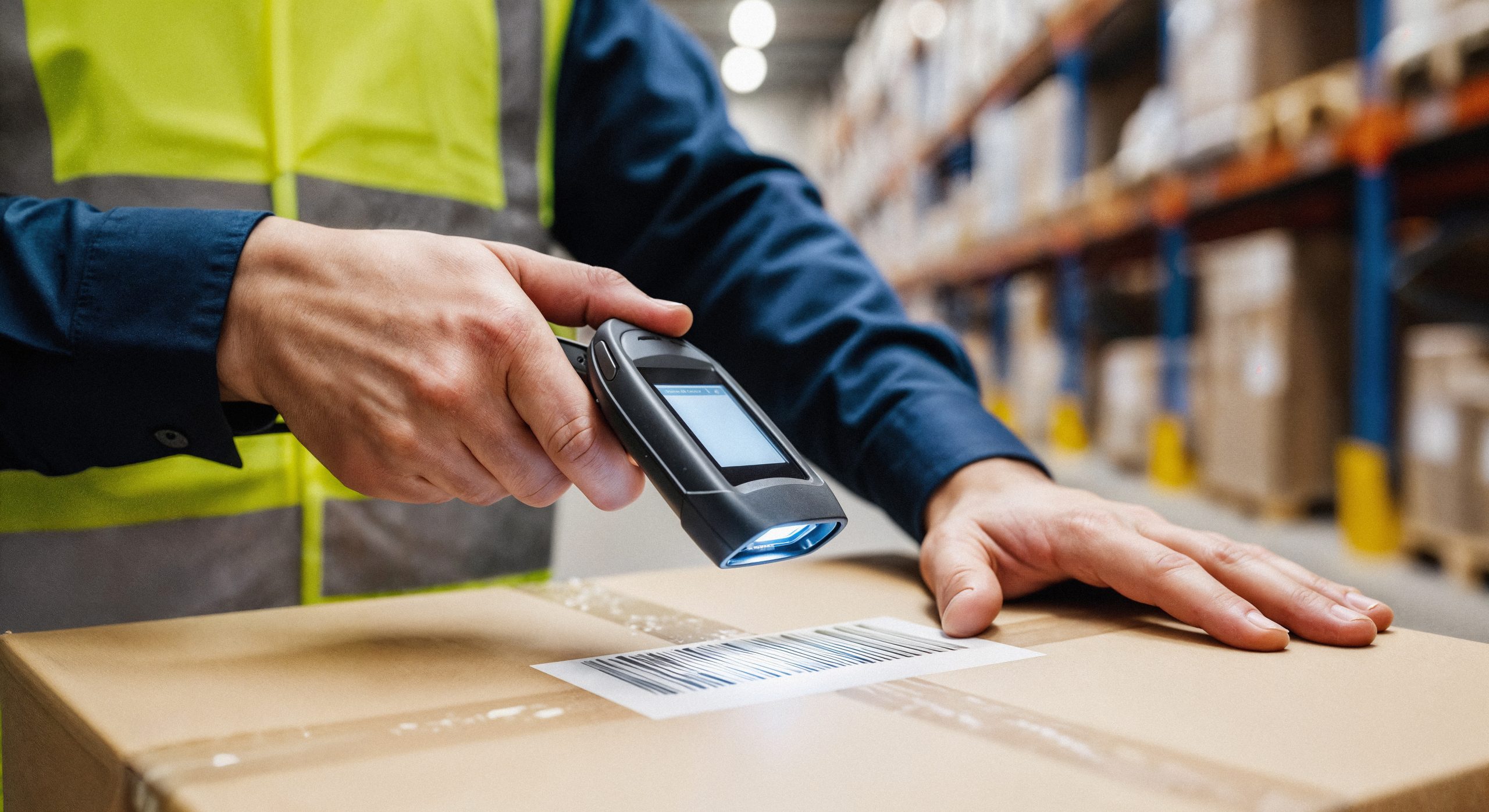
Traceability is the ability to identify and track a product throughout its lifecycle, from manufacturing and processing to distribution and final delivery. A robust traceability system enables businesses, regulators, and consumers to verify information such as the manufacturer, production location, batch number, origin of materials, product specifications, and movement across the supply chain.
As global markets continue to tighten compliance requirements, product traceability has become an essential component of international trade. Many importing countries now require detailed origin information and digital product records, particularly for high-risk goods.
Key highlights of Circular 31/2026/TT-BCT
Under Circular 31/2026/TT-BCT, enterprises dealing with high-risk products managed by the Ministry of Industry and Trade must implement product traceability through the centralized VeriGoods platform.
Beginning July 1, 2026, businesses are required to register an account, obtain a unique identification code, and verify product information on the system. Although participation remains voluntary for products outside the mandatory scope, companies joining the system may receive a verified status, demonstrating greater transparency and compliance.
The regulation also introduces a clear implementation roadmap. From January 1, 2027, complete product traceability will become mandatory before high-risk goods can be circulated in the market.
Why product traceability matters for exporters
International buyers increasingly demand greater visibility across the supply chain. Product traceability helps exporters demonstrate product authenticity, verify manufacturing information, and respond more effectively to quality inspections or product recalls.
A standardized traceability system also improves operational efficiency by enabling businesses to manage production records digitally, reduce documentation errors, and accelerate customs or compliance procedures when required.
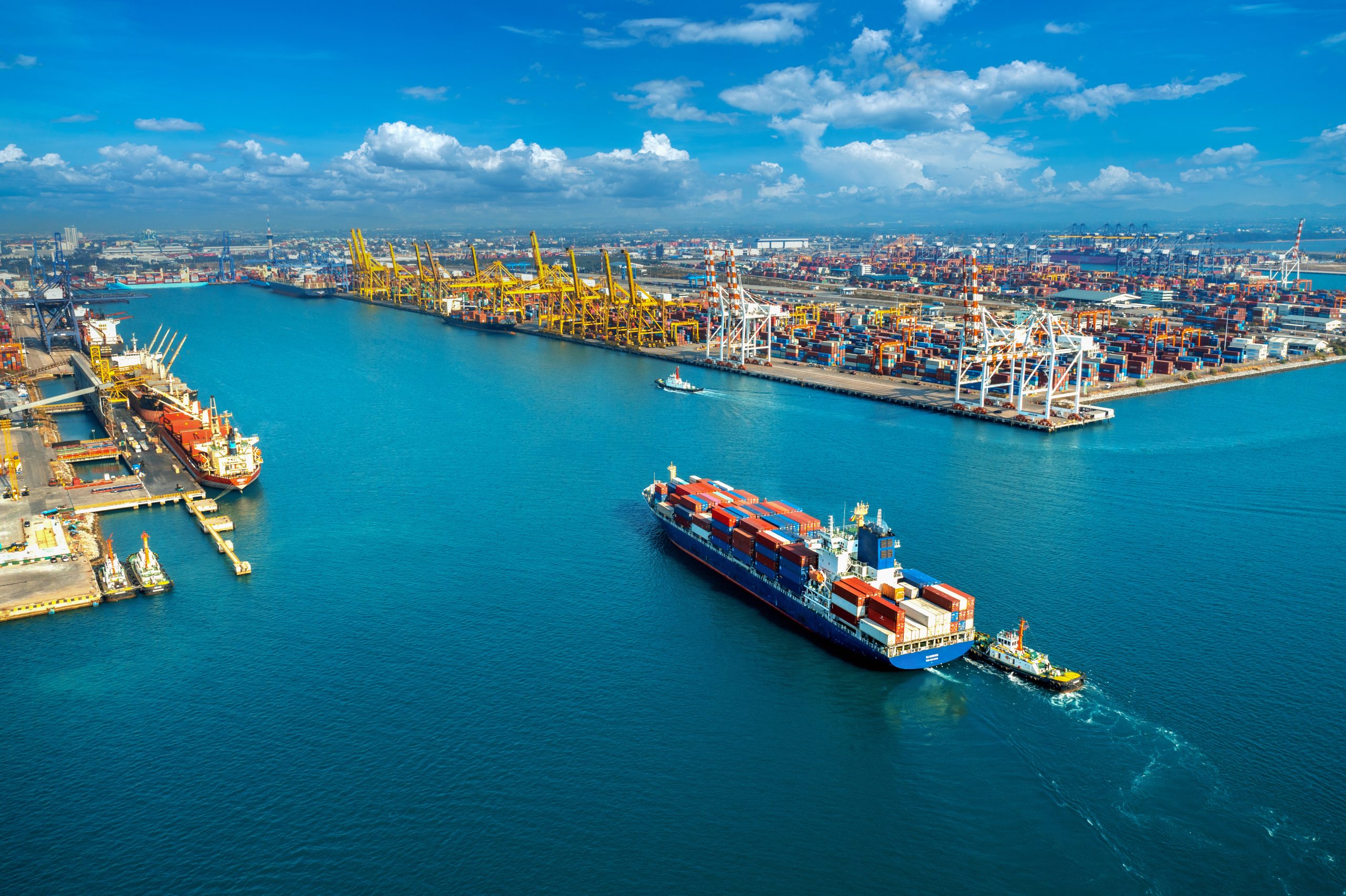
For Vietnamese exporters, adopting digital traceability not only supports regulatory compliance but also enhances competitiveness in markets with strict import standards such as the European Union, the United States, Japan, and South Korea.
How businesses should prepare
Companies should begin reviewing their existing product information and digital records before the mandatory implementation period. Key information includes manufacturer details, product origin, production batches, specifications, and identification codes.
Businesses should also assess whether their current production and supply chain management systems can generate accurate traceability data. Early preparation will help minimize implementation risks and ensure smooth compliance once mandatory requirements take effect in 2027.
For exporters, it is becoming a competitive advantage that strengthens market access, builds customer confidence, and supports sustainable growth in international trade.
Source: Viet Nam Government Portal
19/6/2026




 VN
VN