 info@mplogistics.vn
 (+84) 28 3811 9033


From January 1, 2027, Decree No. 372/2026/ND-CP on product identification, authentication and traceability will officially take effect. The regulation introduces mandatory requirements for products and goods classified as high-risk under the applicable framework, while promoting digital data management and improved product tracking throughout the supply chain.
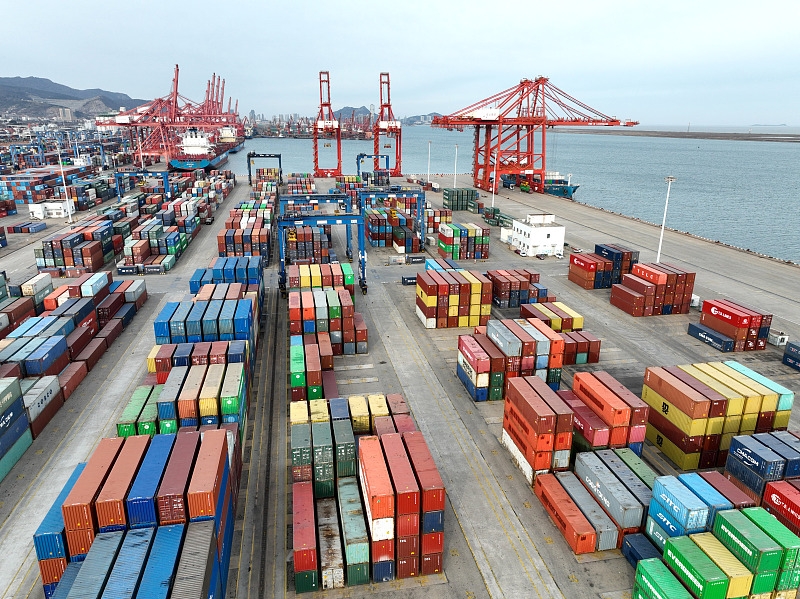
For manufacturers, importers, traders, distributors, transport providers and warehouse operators, understanding the scope of the regulation and preparing the necessary data will be important steps toward implementation.
What Does Decree No. 372/2026/ND-CP Require?
Issued by the Vietnamese Government on September 29, 2026, Decree No. 372/2026/ND-CP establishes a framework for product identification, authentication and traceability in the digital environment. It also provides for a national traceability platform and a national product database.
Under the regulation, traceability requirements are determined according to the risk classification of goods. High-risk products are subject to mandatory identification, authentication and traceability requirements. Specific product lists, implementation timelines, traceability methods and sector-specific data requirements are determined by the relevant authorities.
For medium-risk and low-risk goods, identification, authentication and traceability are encouraged on a voluntary basis under the Decree.
UID Codes Support Product Identification and Traceability

A key element of the framework is the use of Unique Identification (UID) codes on the national platform. These codes support product identification and traceability at the individual product or batch level, according to applicable standards.
Traceability is conducted digitally through UID codes. Key events throughout manufacturing, import, export, distribution and consumption can be recorded in accordance with applicable requirements, helping improve data verification and product tracking.
Documents associated with high-risk goods, including quality, origin, conformity and standards certificates, are also subject to digitization, authentication and connection with the national platform according to relevant technical standards, implementation schedules and regulatory requirements.
How Should Businesses Prepare for 2027?
Businesses should begin by reviewing their product portfolios and identifying the relevant risk classifications and sector-specific regulatory authorities.
They should then monitor detailed guidance on required data fields, traceability events and applicable implementation methods. Standardizing product information, origin records and supporting documentation can facilitate data verification and information exchange among supply chain partners.

Businesses should also assess whether their internal management systems can connect with the traceability platform in line with applicable technical requirements. For companies working with multiple suppliers, warehouses and transport providers, consistent data-sharing procedures can help reduce information discrepancies and improve shipment visibility.
Importantly, not all goods are automatically subject to identical mandatory requirements. The specific obligations depend on the applicable product lists, implementation schedules and sector-specific guidance issued by the competent authorities.
Implications for Logistics and Supply Chain Operations
Traceability requirements are closely linked to warehouse management, transportation and document handling. When product data is recorded consistently across different stages, businesses can more effectively verify shipment information, monitor goods and coordinate responses to discrepancies.
Logistics providers can support this process by coordinating with customers and relevant parties to align shipment data, documentation and handover records. Responsibilities for providing and validating information should be clearly defined in accordance with applicable regulations and agreements.
As product management increasingly relies on digital data, standardizing information and coordination procedures early can help businesses prepare for the implementation of traceability requirements.

Decree No. 372/2026/ND-CP, effective January 1, 2027, establishes a framework for product identification, authentication and traceability through the national platform. Businesses should review relevant product classifications and sector-specific guidance, assess existing data systems and prepare procedures suited to their products.
Proactive data standardization can support regulatory compliance while improving product visibility and coordination across the supply chain.






 VN
VN