 info@mplogistics.vn
 (+84) 28 3811 9033


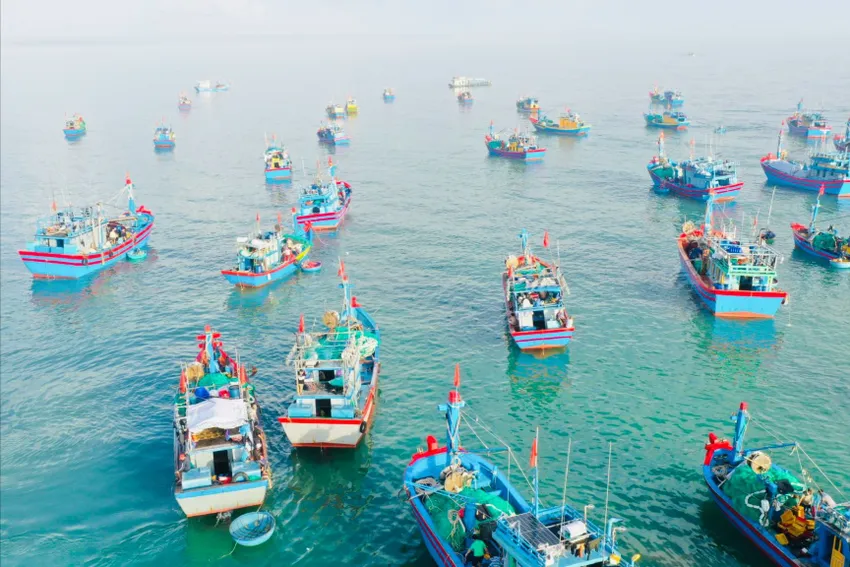
HANOI, November 2025 – Vietnam’s seafood exports have shown a remarkable recovery and expansion in 2025, reaffirming the country’s strong position as one of the world’s leading seafood suppliers. According to the Ministry of Industry and Trade of Vietnam (MOIT), seafood exports reached USD 9.31 billion in the first ten months of 2025, representing an impressive 13% increase compared to the same period last year. This rebound marks one of the most dynamic growth rates in Vietnam’s agro-forestry-fishery sector, alongside robust performances in coffee, fruit, and wood products.
Strong Growth Across Key Markets
Source: Ho Chi Minh City Law Newspaper
Vietnam’s seafood industry has benefited from a solid recovery in demand across major importing countries. Shipments to China, the United States, and Japan — which together account for more than half of Vietnam’s total seafood export turnover — all rose significantly.
In China, the reopening of the food service sector and the rising demand for frozen and processed seafood have driven orders for shrimp and pangasius. Meanwhile, the U.S. market witnessed increasing imports of high-quality processed shrimp and tuna products, as retailers sought to diversify their sourcing away from traditional suppliers. Japan, one of Vietnam’s most stable partners, has maintained steady imports of fresh and frozen seafood, especially shrimp and squid, thanks to improved traceability and quality standards.
Key Products: Shrimp, Pangasius, and Tuna
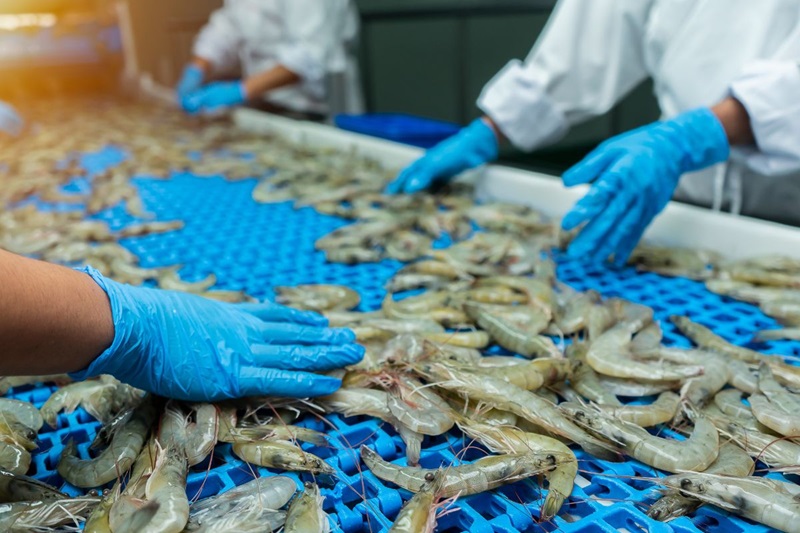
Among export categories, shrimp remains Vietnam’s top seafood export, accounting for nearly 40% of total seafood export value. Shrimp exports increased by over 12% year-on-year, supported by improved farming practices, disease control, and certifications such as ASC and BAP that ensure sustainability compliance.
Pangasius (tra fish), a traditional strength of Vietnam’s aquaculture sector, posted strong double-digit growth, particularly in China, the EU, and the Middle East. Vietnamese pangasius has gained competitiveness due to stable supply, efficient processing, and efforts to diversify product forms — from fillets to ready-to-eat frozen meals.
Tuna exports also experienced outstanding growth, with revenue increasing by nearly 20% compared to 2024. The United States, Japan, and the EU remain the main destinations, where demand for canned and frozen tuna has surged. Vietnam’s tuna processors have actively adopted international standards in food safety and sustainable fishing, enhancing credibility among foreign buyers.
Sustainability and Global Standards
Sustainability has become a crucial factor in maintaining long-term growth for Vietnam’s seafood exports. The industry has made significant progress in aligning with international environmental and social responsibility standards, including reducing carbon emissions in processing, minimizing waste, and promoting responsible aquaculture.
Vietnamese seafood exporters are increasingly aware that compliance with global sustainability frameworks — such as the EU’s IUU (Illegal, Unreported, and Unregulated Fishing) regulations — is not only a market entry requirement but also a competitive advantage. As a result, many companies are working closely with international organizations to improve fisheries management, feed efficiency, and worker welfare in seafood supply chains.
Outlook: A Positive Forecast Toward Year-End
Looking ahead, industry analysts forecast that Vietnam’s seafood exports will continue to grow steadily through the final months of 2025. Favorable conditions — including high global seafood demand, competitive pricing, and ongoing recovery in logistics — are expected to keep the sector on a positive trajectory.
If the current pace continues, Vietnam’s seafood exports could exceed USD 11 billion by the end of 2025, contributing substantially to the country’s total agro-forestry-fishery exports, which are projected to surpass USD 65 billion.
Experts emphasize that maintaining growth will depend on continuous investment in technology, compliance with sustainability standards, and strategic branding of Vietnamese seafood in international markets.
With its combination of quality, innovation, and commitment to sustainable development, Vietnam’s seafood industry is not only recovering but also positioning itself as a trusted global supplier — delivering fresh, safe, and responsibly produced seafood to the world.
Source: Ministry of Industry and Trade of Vietnam
Vietnam’s seafood exports recorded an impressive rise of nearly 13%, totaling USD 9.31 billion in the first ten months of 2025. The sector benefited from rising demand in major markets such as China, the U.S., and Japan, with shrimp, pangasius, and tuna all achieving double-digit growth in the third quarter.
Industry experts note that the recovery of seafood exports stems from improved market access, stronger supply chains, and exporters’ efforts to meet sustainability and traceability requirements set by international buyers. Many Vietnamese companies have also invested in modern cold-chain systems and processing technology to enhance product quality and value-added capacity.
Source: Vnexpress
11/11/2025






 VN
VN