 info@mplogistics.vn
 (+84) 28 3811 9033


Vietnam’s import turnover surged significantly in the first five months of 2026, marking a major shift in the country’s trade performance. After several consecutive years of trade surpluses, Vietnam is now facing a widening trade deficit as import turnover continues to grow across key industrial sectors.

The sharp increase in import turnover has been driven primarily by three major categories: electronics and computer components, energy products, and industrial machinery. Together, these sectors account for a substantial share of Vietnam’s total imports and have become the main contributors to the country’s growing trade gap.
As global supply chains evolve and domestic manufacturers expand production capacity, understanding the factors behind Vietnam’s rising import turnover has become increasingly important for businesses, investors, and policymakers. This article explores the three key sectors driving import growth and examines their impact on Vietnam’s trade balance in 2026.
Vietnam’s import turnover expands across key sectors
Vietnam has entered 2026 with a significant increase in import turnover, leading to a growing trade deficit after several years of trade surpluses. According to customs data, the country recorded a trade deficit of more than $15 billion by early June, largely driven by soaring imports in three major sectors: electronics, energy, and industrial machinery.
While rising import turnover often reflects expanding industrial activity, the pace of import growth has outstripped exports, putting pressure on the country’s trade balance.
Electronics account for the largest share
The electronics sector continues to dominate Vietnam’s import structure and is the biggest driver of the trade deficit in 2026.

Imports of computers, electronic products, and components reached $88.2 billion during the first five months of the year, accounting for nearly 40% of total import turnover. Compared with the same period in 2025, imports surged by more than 57%.
The sharp increase reflects Vietnam’s growing role as a manufacturing hub for global technology companies. Many factories rely heavily on imported semiconductors, integrated circuits, displays, and electronic components to support production and exports.
As a result, the electronics sector alone generated a trade deficit of approximately $32 billion, making it the largest contributor to the country’s overall trade imbalance.
Rising energy costs push import values higher
Energy has become the second-largest factor behind Vietnam’s rising import turnover.
Although crude oil import volumes declined slightly, global oil prices increased significantly due to geopolitical tensions and supply concerns. As a result, the average import price of crude oil rose nearly 40% compared with the previous year.
At the same time, imports of refined petroleum products increased strongly as domestic demand continued to recover. Higher fuel costs translated directly into larger import bills, contributing to the expansion of the trade deficit.
Energy imports remain a critical component of Vietnam’s economy because they support transportation, manufacturing, logistics, and industrial production. However, greater dependence on imported energy also exposes the country to external price shocks.
Machinery and auto parts support industrial expansion
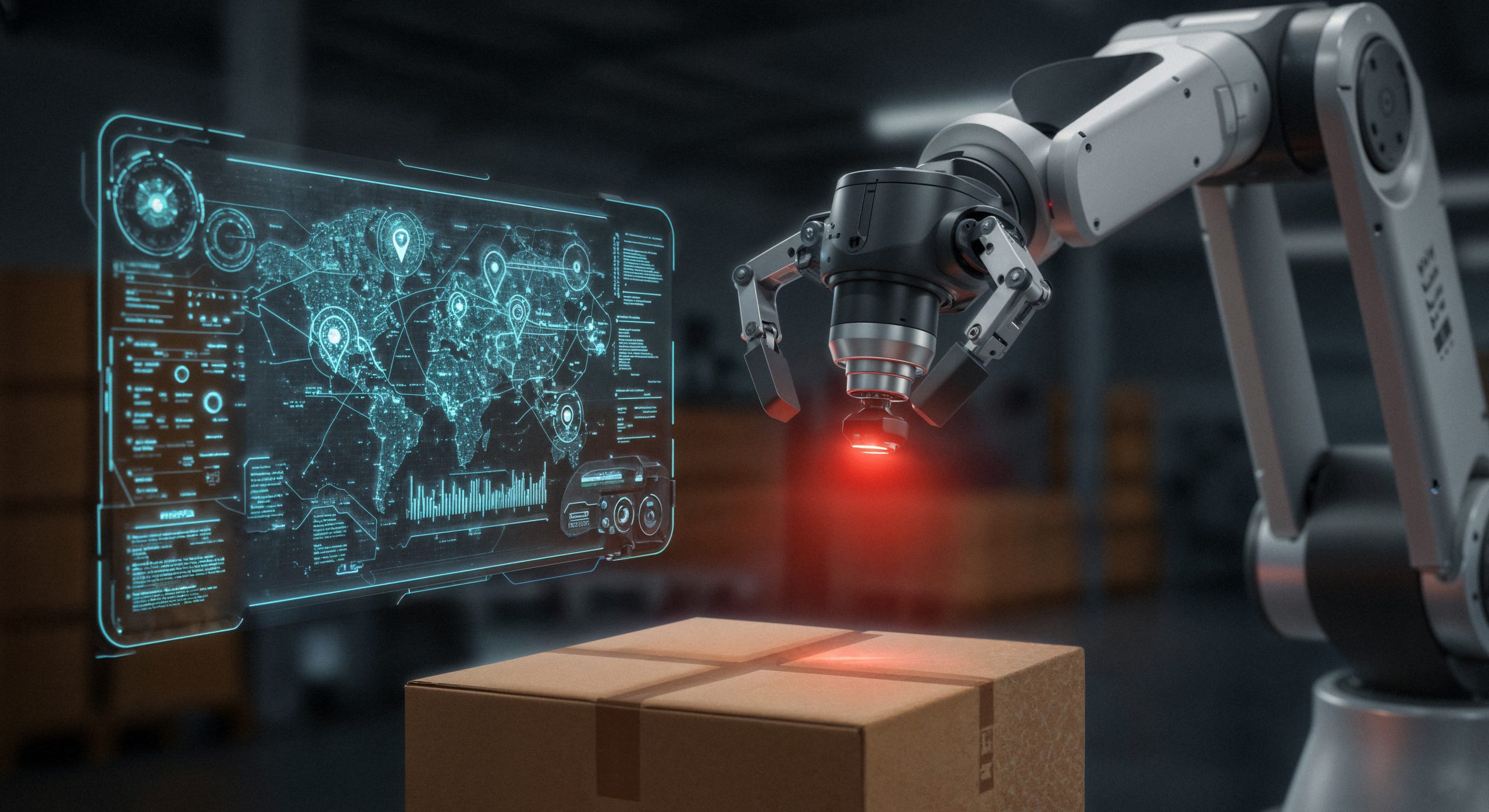
The third major contributor to import turnover growth is machinery, equipment, and automotive components.
Vietnam imported nearly $28 billion worth of machinery and production equipment during the first five months of 2026. Imports of auto parts and components also recorded strong growth as manufacturers prepared for future production demand.
Unlike consumer goods imports, these products are largely used for industrial expansion. Businesses are investing in new equipment, upgrading production lines, and increasing capacity to fulfill future orders.
This trend suggests that manufacturers remain optimistic about long-term growth despite short-term uncertainties in global trade and supply chains.

However, policymakers and businesses will need to monitor import growth carefully, particularly in electronics and energy, where dependence on foreign suppliers remains high.
Going forward, expanding domestic supporting industries, improving energy security, and increasing local value-added production could help reduce trade imbalances while sustaining economic growth.
Source: Vietnam Economic & Financial Review
9/6/2026





 VN
VN