 info@mplogistics.vn
 (+84) 28 3811 9033


PFAS compliance has become a critical requirement for businesses exporting to the European Union as Denmark and several EU member states tighten restrictions on products containing per- and polyfluoroalkyl substances (PFAS).
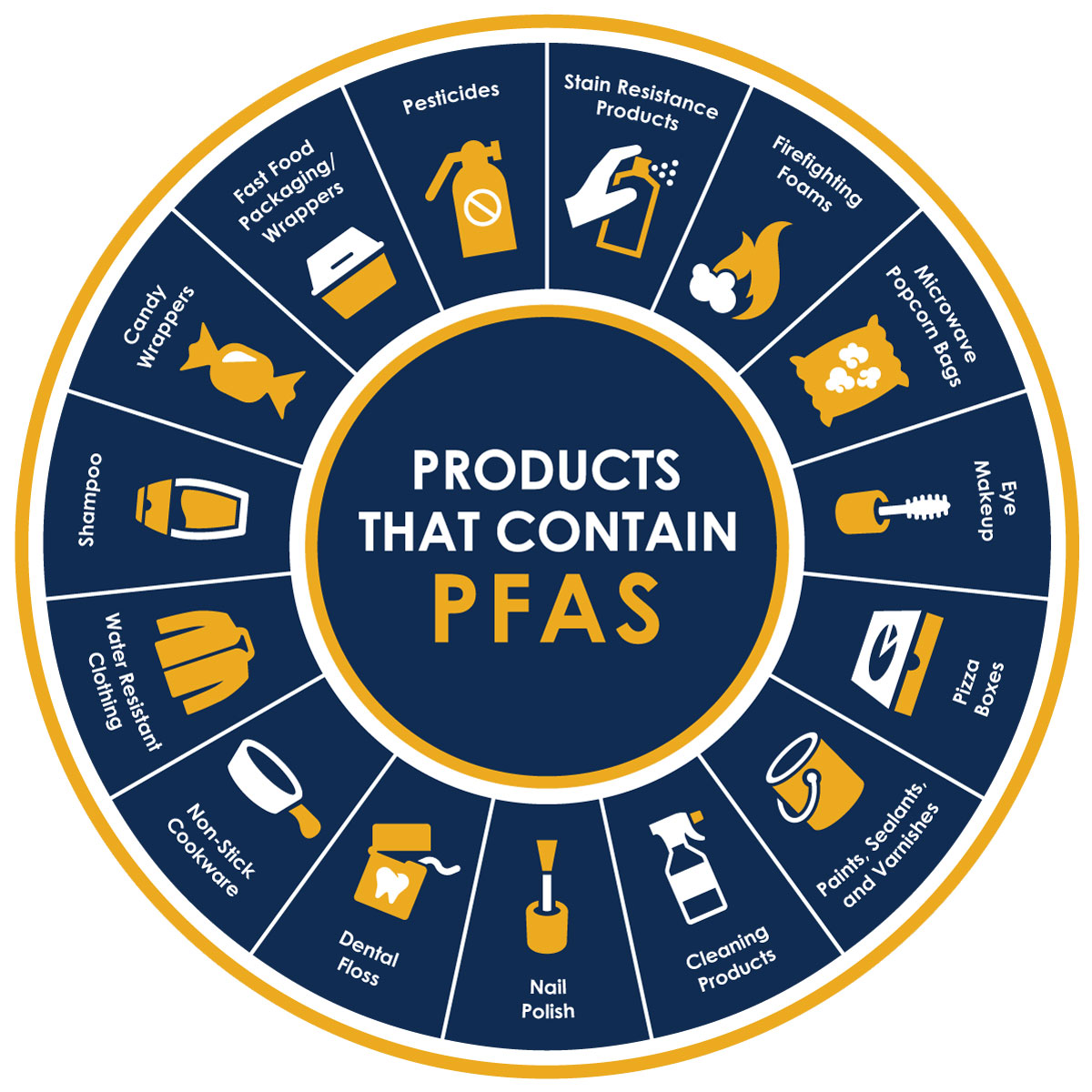
Companies that fail to meet these new requirements risk shipment rejections, supply chain disruptions, and reduced access to one of the world’s most valuable export markets. The latest regulations reflect the EU’s broader strategy to strengthen chemical safety and sustainability by shifting from end-product inspections to full supply chain control.
Denmark introduces stricter PFAS restrictions
Beginning July 1, 2026, Denmark prohibited the import of new consumer products containing PFAS above permitted thresholds. Existing inventory may only remain on the market until January 1, 2027, after which non-compliant products can no longer be sold.
Exporters should note that this transition period applies only to legally imported inventory already in Denmark. It is not an extension allowing new exports of products exceeding PFAS limits.
At the same time, the European Union is preparing broader PFAS restrictions expected to take effect from October 2026, making early compliance increasingly important for international suppliers.
Industries most affected by the new requirements
The new rules primarily affect industries where PFAS is commonly used because of its water-resistant, oil-resistant, stain-resistant, and heat-resistant properties.

Products that may require closer compliance include waterproof textiles, outdoor apparel, rainwear, footwear, handbags, coated fabrics, synthetic leather, finishing chemicals, waterproof sprays, and various treated accessories. Businesses exporting these products to Denmark, Sweden, and other Nordic markets should carefully assess whether PFAS is present anywhere within their production process.
Businesses should strengthen supply chain control
To achieve effective PFAS compliance, exporters should review every stage of their supply chain rather than focusing only on finished products. Companies are encouraged to replace PFAS-based materials with safer alternatives, adopt PFAS-free production technologies, and request supporting documentation from suppliers, including declarations of PFAS-free materials, safety data sheets, restricted substance lists, and laboratory test reports where necessary.

Manufacturers should also identify products carrying claims such as water-resistant, oil-resistant, stain-resistant, weatherproof, or easy-to-clean, as these products often present a higher risk of containing PFAS and may require additional testing before export.
Compliance offers a competitive advantage
Sweden, one of the strongest advocates for stricter PFAS controls within the European Union, continues to promote the gradual elimination of these chemicals except where no practical alternatives exist for essential societal needs.
As environmental regulations become more demanding, buyers increasingly expect suppliers to demonstrate transparent chemical management and regulatory compliance. Businesses that proactively eliminate PFAS, strengthen raw material control, and maintain complete compliance documentation will be better positioned to secure contracts with European customers, particularly in the Nordic region.

The tightening of PFAS regulations signals a significant shift in how the European market evaluates imported products. Compliance is no longer limited to the final product but extends across the entire manufacturing and supply chain.
For Vietnamese exporters, preparing early for these evolving requirements will help minimize regulatory risks, maintain uninterrupted access to EU markets, and strengthen long-term competitiveness as sustainability standards continue to rise.
Source: VnExpress
19/07/2026







 VN
VN