 info@mplogistics.vn
 (+84) 28 3811 9033


Ho Chi Minh City has approved a three-year waiver of seaport infrastructure fees, benefiting more than 94,000 import-export businesses by reducing logistics costs and supporting supply chain resilience.
A significant relief for businesses
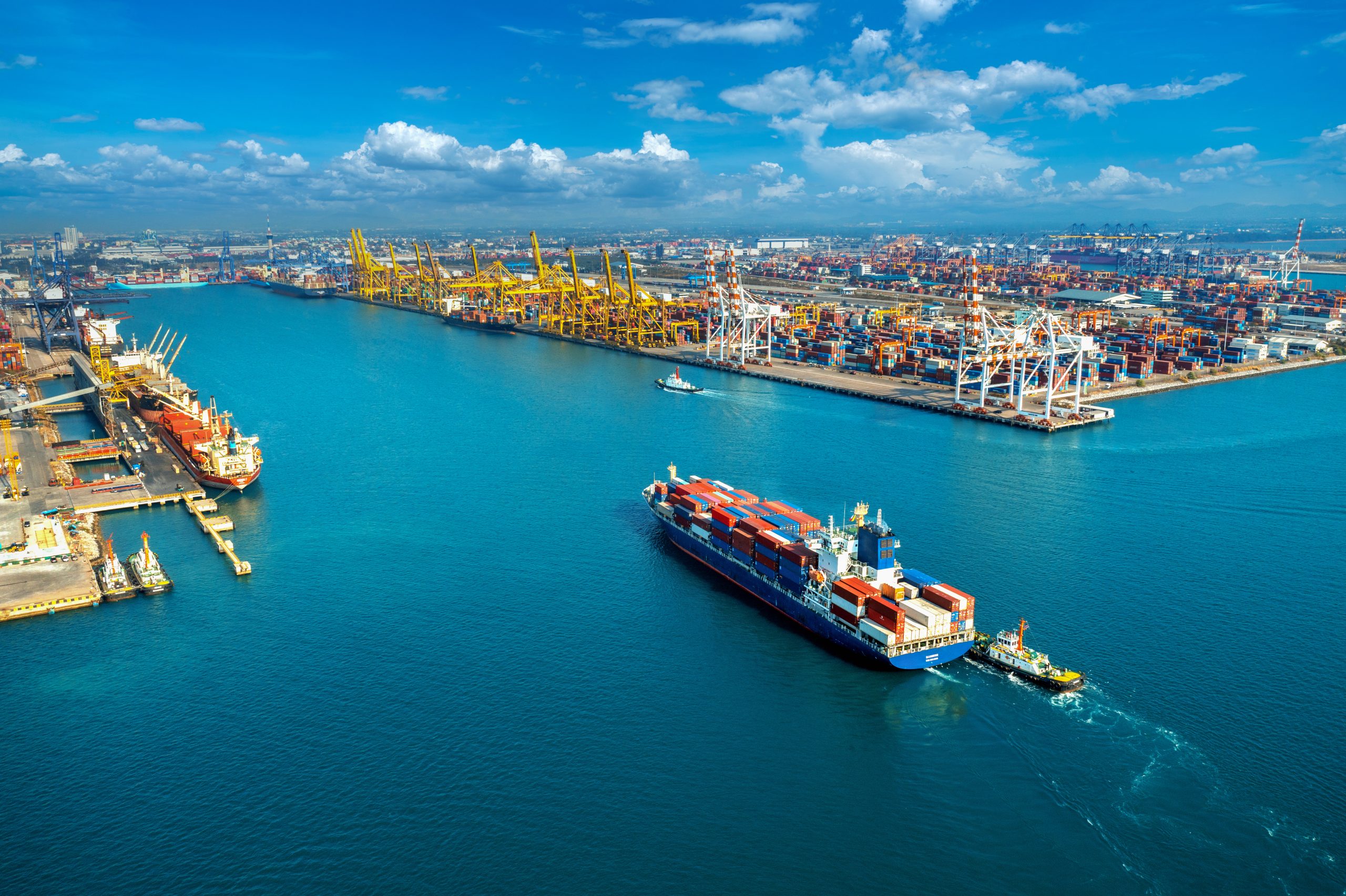
Ho Chi Minh City is home to one of Vietnam’s largest seaport networks, handling a substantial share of the country’s international trade. Every year, businesses operating through the city’s ports are required to pay seaport infrastructure fees, which contribute to the maintenance and development of port-related infrastructure.
Under the new policy, these fees will be waived for three years, providing direct financial relief to approximately 94,100 businesses. According to city estimates, the total amount of waived fees will reach around VND 2.39 trillion annually, equivalent to VND 7.17 trillion over the entire three-year period.
For many enterprises, especially small and medium-sized businesses, the exemption comes at a critical time. Global supply chains continue to face disruptions caused by geopolitical tensions, fluctuating freight rates, fuel price volatility, insurance costs, and currency movements. By eliminating seaport infrastructure fees, businesses can redirect resources toward production, expansion, and supply chain optimization.
Lower logistics costs across the supply chain
One of the most important benefits of the policy is the reduction in logistics costs. Vietnam has long been working to improve its logistics competitiveness, as logistics expenses remain higher than those in many developed economies. Port-related charges are one component of the broader logistics cost structure, alongside transportation, warehousing, customs clearance, and inventory management.

City authorities estimate that the exemption of seaport infrastructure fees could reduce direct logistics costs by:
- 0.34%–0.51% for small enterprises
- 0.11%–0.17% for medium-sized enterprises
- 0.03%–0.05% for large enterprises
When considering the wider impact on transportation, warehousing, and freight forwarding services, overall logistics costs could decrease by approximately 0.5%–0.8%.
While these percentages may appear modest, they can generate substantial savings for businesses that handle large cargo volumes or operate on thin profit margins. Reduced logistics expenses can improve operational efficiency and enhance competitiveness in both domestic and international markets.
Strengthening Vietnam’s export competitiveness
The waiver of seaport infrastructure fees is expected to provide an additional boost to Vietnam’s export sector. As one of the country’s most important logistics gateways, Ho Chi Minh City’s port system plays a vital role in facilitating exports to key markets such as the United States, Europe, Japan, South Korea, and ASEAN countries.
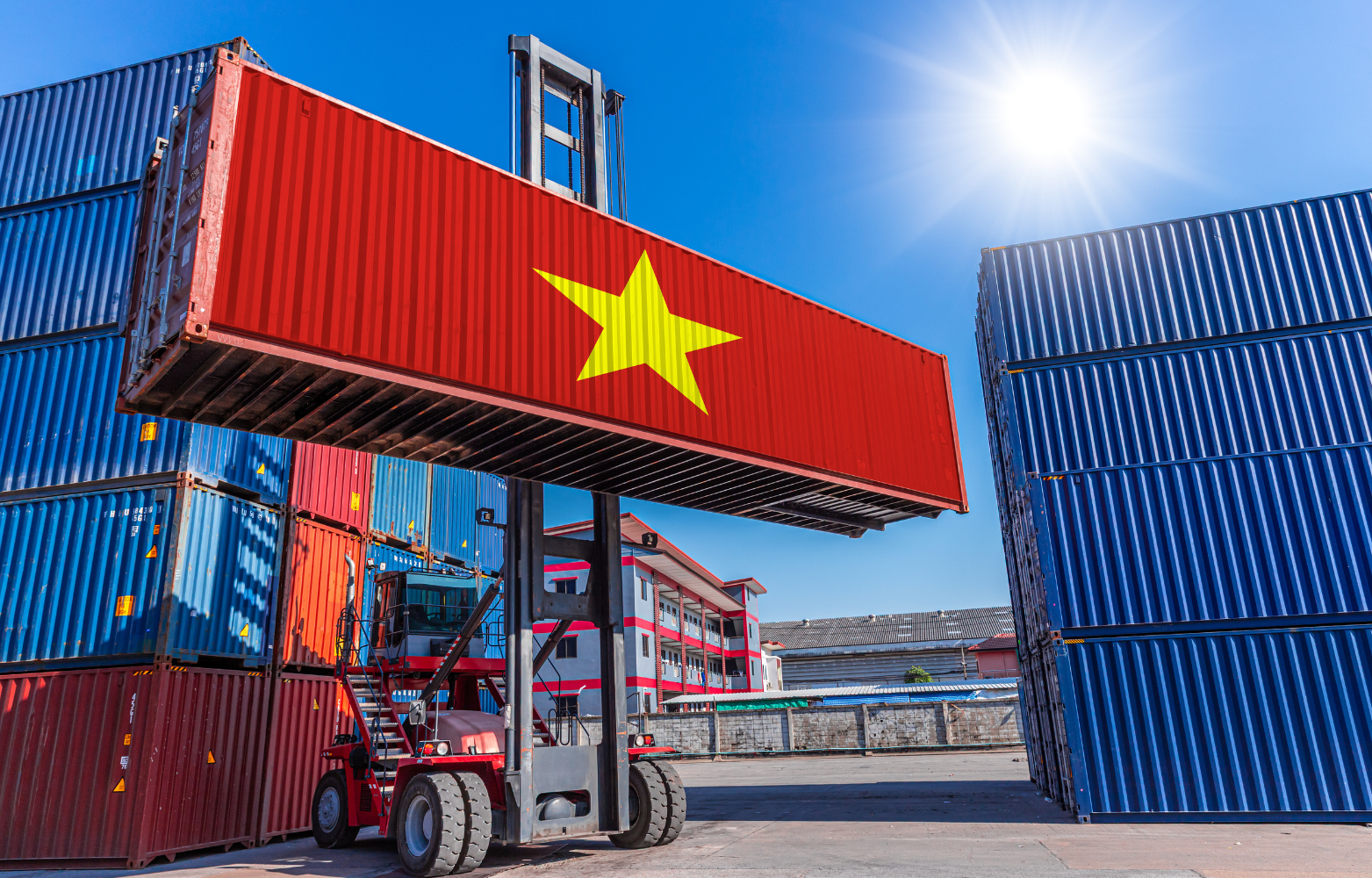
For exporters, every reduction in logistics expenses contributes to stronger market positioning and greater flexibility in responding to changing customer demands. The policy also aligns with Vietnam’s broader strategy of enhancing trade competitiveness and supporting businesses participating in global supply chains.
A strategic move for Vietnam’s logistics future
The decision to waive seaport infrastructure fees for three years demonstrates Ho Chi Minh City’s commitment to supporting businesses and improving the efficiency of Vietnam’s logistics sector.
As global trade continues to evolve, reducing logistics costs remains a key priority for maintaining competitiveness. The policy not only delivers immediate financial relief but also contributes to long-term supply chain resilience, trade facilitation, and economic growth.
For exporters, importers, manufacturers, and logistics providers, the exemption offers an opportunity to optimize operations and strengthen market competitiveness. More importantly, it reinforces Ho Chi Minh City’s position as one of Vietnam’s most important trade and logistics gateways.
Source: VnExpress
19/6/2026





 VN
VN