 info@mplogistics.vn
 (+84) 28 3811 9033


Vietnam agricultural exports reached nearly USD 36 billion during the first six months of 2026, representing a year-on-year increase of around 6%. The latest figures highlight the resilience of Vietnam’s agricultural sector despite ongoing uncertainties in global trade and changing market conditions.
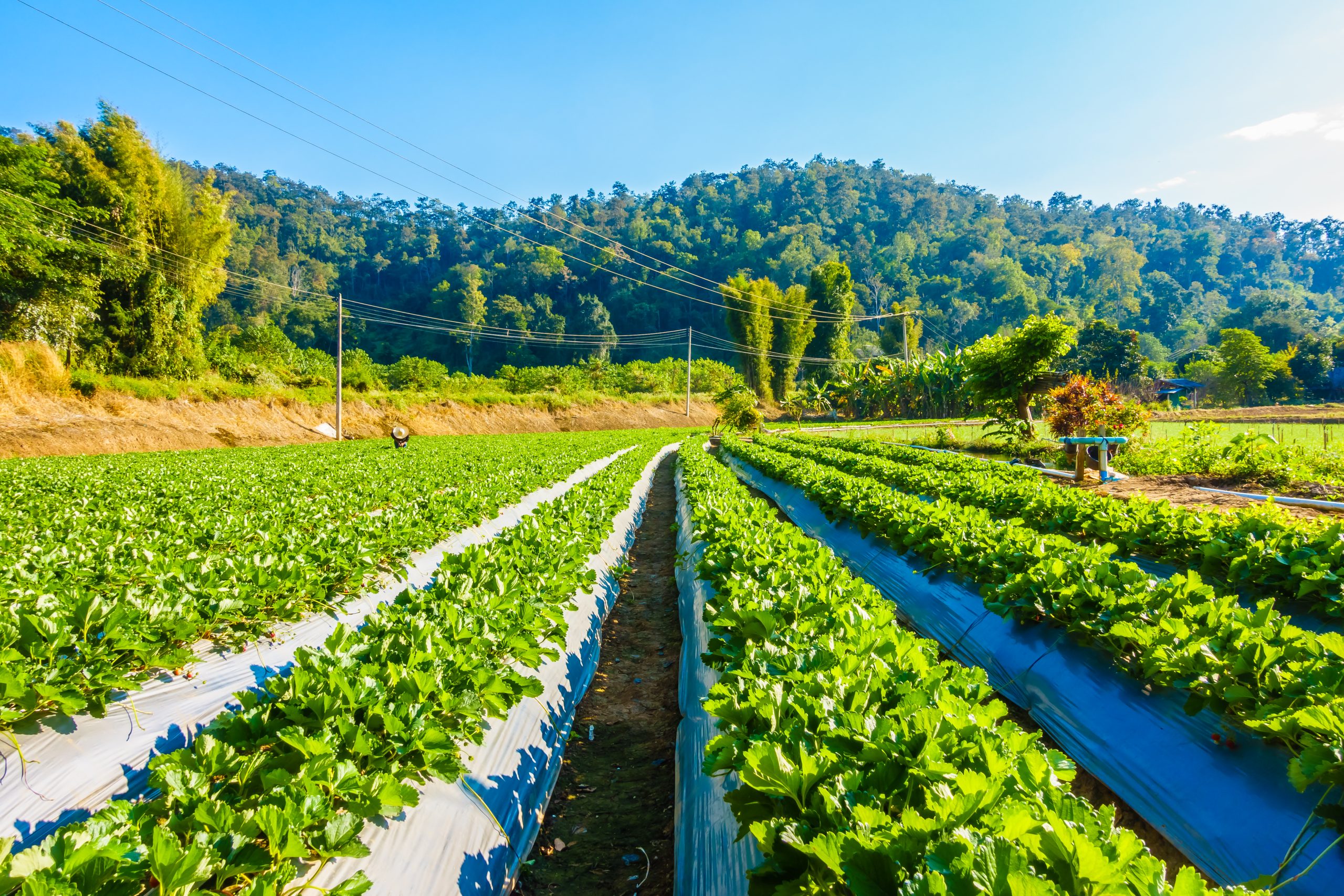
While export growth remains positive, the drivers behind that growth are evolving as international buyers place greater emphasis on product quality, sustainability, and supply chain transparency.
Rather than relying solely on higher production volumes, exporters are increasingly expected to comply with stricter environmental standards, improve traceability, and create greater value throughout the supply chain. These changes are reshaping how Vietnamese businesses compete in international markets.
Key export sectors continue to perform strongly
Several major product groups recorded encouraging growth during the first half of the year. Wood and wood products remained Vietnam’s largest agricultural export category, generating USD 8.54 billion in export value. Seafood exports reached USD 5.7 billion, up 11.4% compared with the same period last year, while fruit and vegetable exports climbed to USD 3.65 billion, representing an impressive increase of 17.7%.
Other commodities also maintained positive momentum. Pepper exports increased by 11.6% in value, while cashew nuts posted a modest 1.6% increase despite slightly lower export volumes. These results demonstrate that Vietnam agricultural exports continue to benefit from strong international demand across several high-value product categories.
Coffee and rice face price pressure

Not all export sectors experienced the same level of success. Coffee exports exceeded 1.1 million tonnes during the first half of 2026, with export volume increasing by nearly 10%. However, export value declined by 14.4% because average coffee prices fell by approximately 22%.
Rice exports showed a similar pattern. Although export volume rose by almost 10%, total export value decreased by 2.5% as average selling prices dropped by more than 11%. These figures reflect growing competition in the global agricultural market, where increasing supply has placed downward pressure on commodity prices.
The contrasting performance among different commodities illustrates that export volume alone is no longer sufficient to drive revenue growth. Instead, businesses must focus on improving product quality and market competitiveness.
Export markets continue to evolve
China remains one of the most important destinations for Vietnam agricultural exports, with increasing demand for fruits, vegetables, seafood, rice, coffee, and wood products. At the same time, traditional markets such as the United States and Europe continue to recover slowly while introducing stricter technical standards and sustainability requirements.
These changing market dynamics require exporters to become more flexible and responsive. Companies must not only meet food safety regulations but also demonstrate compliance with environmental, social, and traceability standards that are becoming increasingly important across global supply chains.
Green transformation supports long-term growth
The Vietnamese government has set an ambitious target of USD 74 billion in agricultural, forestry, and fishery exports for 2026. With nearly half of that target already achieved during the first six months, the industry remains on track, although sustaining growth will require continued investment in quality and innovation.
Green development is rapidly becoming a prerequisite for accessing international markets. Regenerative agriculture, sustainable farming practices, lower carbon emissions, and ecosystem restoration are no longer viewed as optional initiatives but as essential components of global agricultural supply chains.

For Vietnamese exporters, this means expanding certified production areas, strengthening traceability systems, increasing investment in deep processing, and improving digital supply chain management. These measures not only enhance compliance with international standards but also create greater value for exported products.
Outlook for Vietnam agricultural exports
Looking ahead, Vietnam’s agricultural sector is expected to continue strengthening institutional reforms, expand export markets, accelerate digital transformation, and promote the application of science and technology across the supply chain. These efforts will help businesses adapt to increasingly demanding global markets while improving productivity and competitiveness.
Although international trade conditions remain challenging, Vietnam agricultural exports are well-positioned for sustainable long-term growth. Businesses that invest in quality, innovation, and environmentally responsible production will be better equipped to capture new market opportunities and contribute to the country’s export target of USD 74 billion in 2026.

The first half of 2026 demonstrates that Vietnam agricultural exports remain a key driver of the country’s economy. While export growth continues across many major commodities, future competitiveness will depend less on increasing production volumes and more on meeting international standards for sustainability, traceability, and product quality.
Source: Industry and Trade Newspaper
05/07/2026







 VN
VN