 info@mplogistics.vn
 (+84) 28 3811 9033


The Vietnamese Government has officially issued Decree No. 201/2026/ND-CP, introducing amendments to export tax rates for selected mineral and metal products while updating the regulatory authority of several ministries and government agencies.
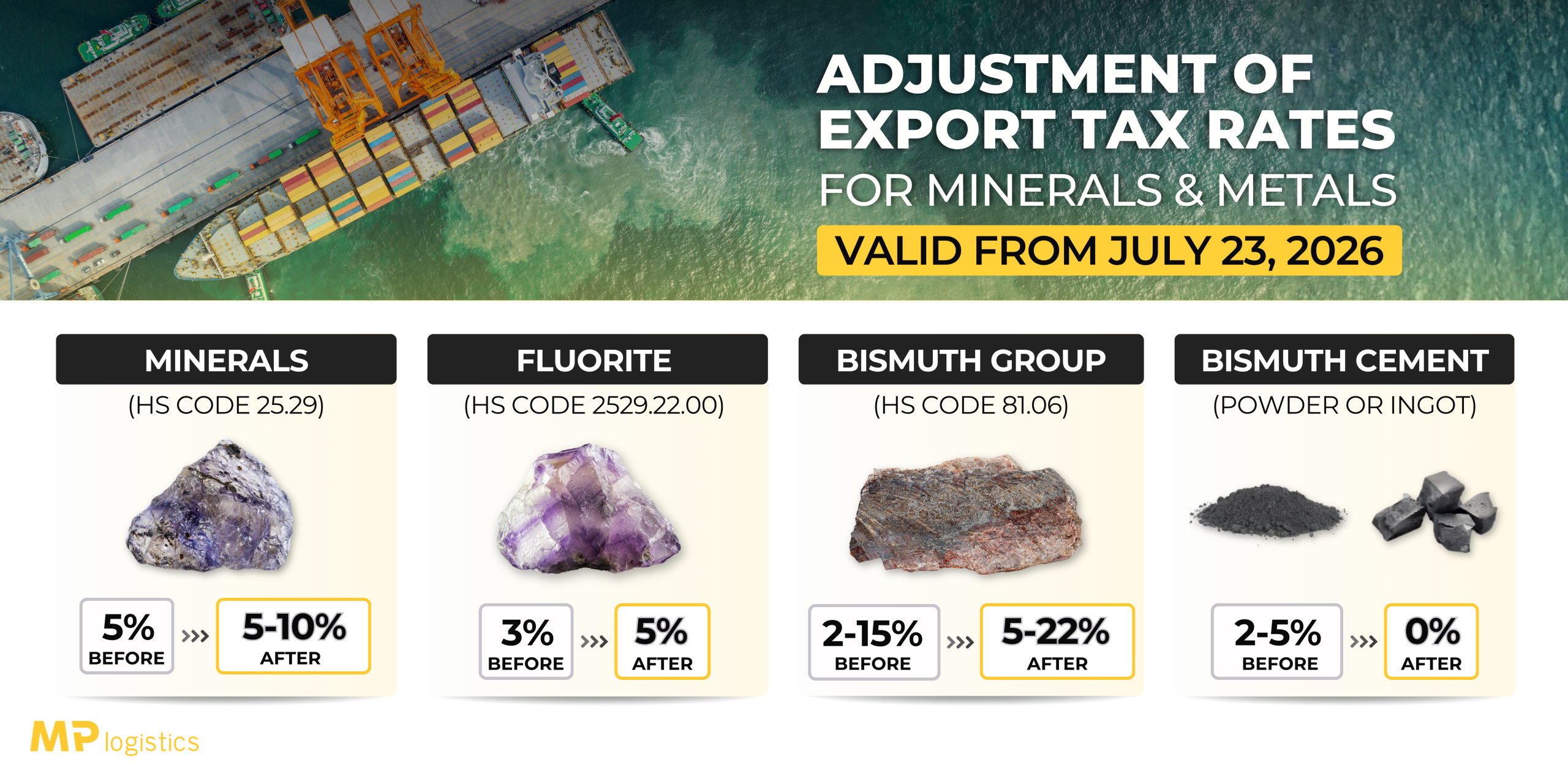
The new regulation will officially take effect from July 23, 2026, marking an important policy update aimed at strengthening tax governance, improving regulatory transparency, and supporting a more sustainable direction for Vietnam’s export activities.
Vietnam updates export tax policy
Under the new decree, the Government revises and supplements export tax rates listed in the Export Tariff Schedule attached to Decree No. 26/2023/ND-CP. These export tax changes mainly affect selected mineral and metal categories and reflect Vietnam’s broader objective of balancing natural resource management with export competitiveness.
For exporters, manufacturers, and logistics providers, understanding these policy adjustments is increasingly important to maintain compliance and optimize international trade operations.
Export tax changes for mineral products
One of the key export tax changes applies to HS Code Group 25.29, covering feldspar, leucite, nepheline, nepheline syenite, and fluorite minerals. According to the updated tariff schedule, a 10% export tax rate applies to selected feldspar products, fluorite containing calcium fluoride not exceeding 97% by weight, and several related mineral categories.
Meanwhile, HS Code 2529.22.00, covering fluorite with calcium fluoride content above 97%, will be subject to a 5% export tax rate. These export tax changes demonstrate a more differentiated taxation approach, where products are classified based on processing level and commercial value.
New export tax rates for bismuth products
Another notable adjustment affects HS Code Group 81.06, which includes bismuth and products made from bismuth, including waste and scrap.
Under the revised policy, the highest 22% export tax rate applies to selected bismuth waste and scrap classifications. Other categories of bismuth products are subject to a 5% export tax rate, depending on product specifications and classification. The adjustment reflects Vietnam’s intention to encourage deeper mineral processing while limiting exports of lower-value materials.
Bismuth cement products receive 0% export duty
A significant highlight of Decree No. 201/2026/ND-CP is the application of a 0% export tax rate for qualifying bismuth cement products. The incentive applies to powder and cake forms of bismuth cement as well as products containing bismuth content above 70% and up to 99.99% by weight. To qualify, products must meet specific technical requirements. Bismuth cement must be produced in powder form with particle size below 0.1 mm or in cake form, contain more than 70% bismuth, and maintain characteristic industrial composition and appearance standards. The policy may create additional opportunities for exporters engaged in higher-value mineral processing and refined metal production.
Post-clearance inspection and export compliance
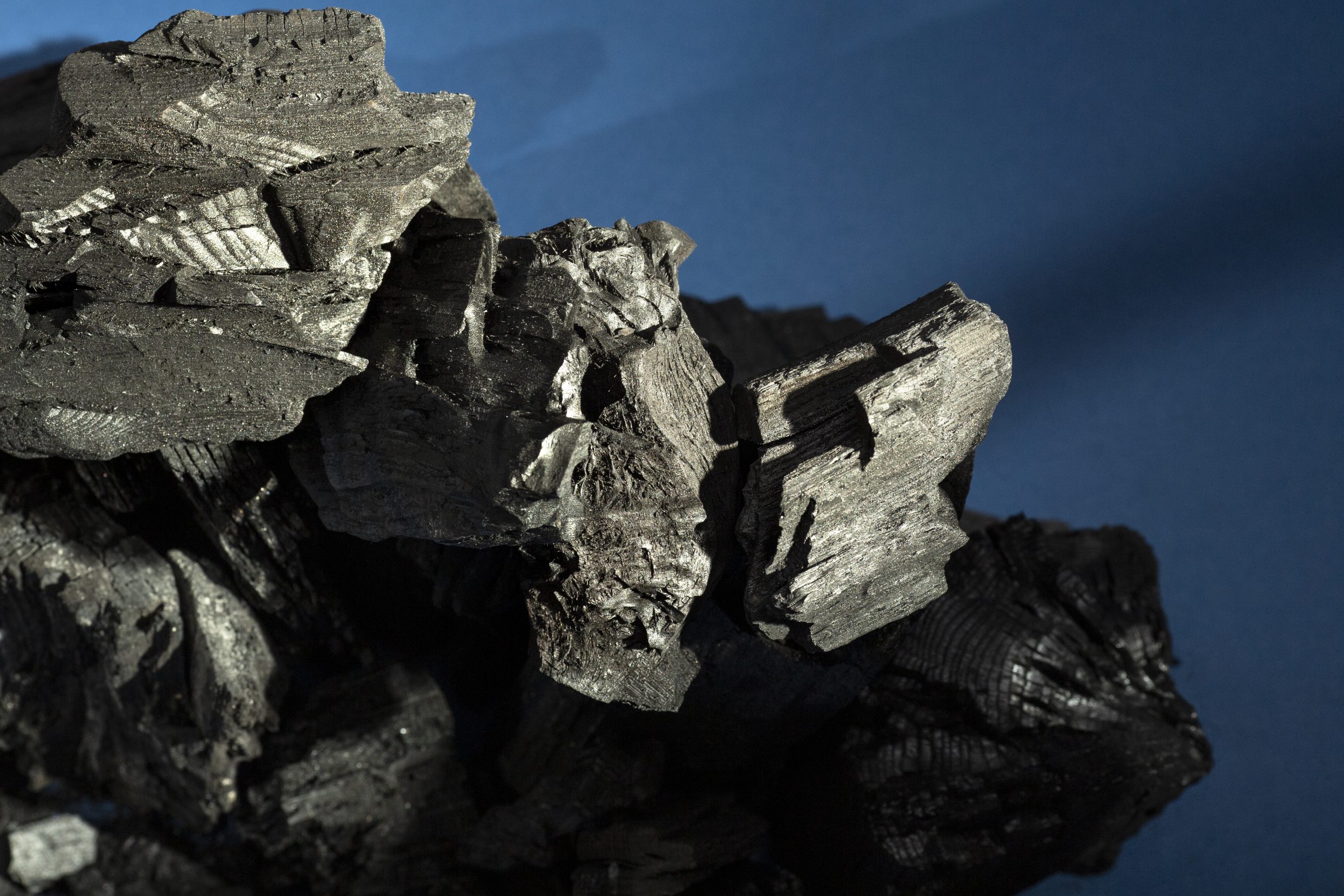
The decree also outlines technical references related to bismuth cement production. The process begins with recovering bismuth from mineral ores, followed by crushing, flotation, acid leaching, purification, cementation, and final refining stages. These procedures produce industrial-grade bismuth cement in powder or cake form. Authorities may conduct post-clearance inspections where there are concerns regarding product origin, production processes, or export classification. Businesses should therefore maintain complete technical records and production documentation to support customs verification when necessary.
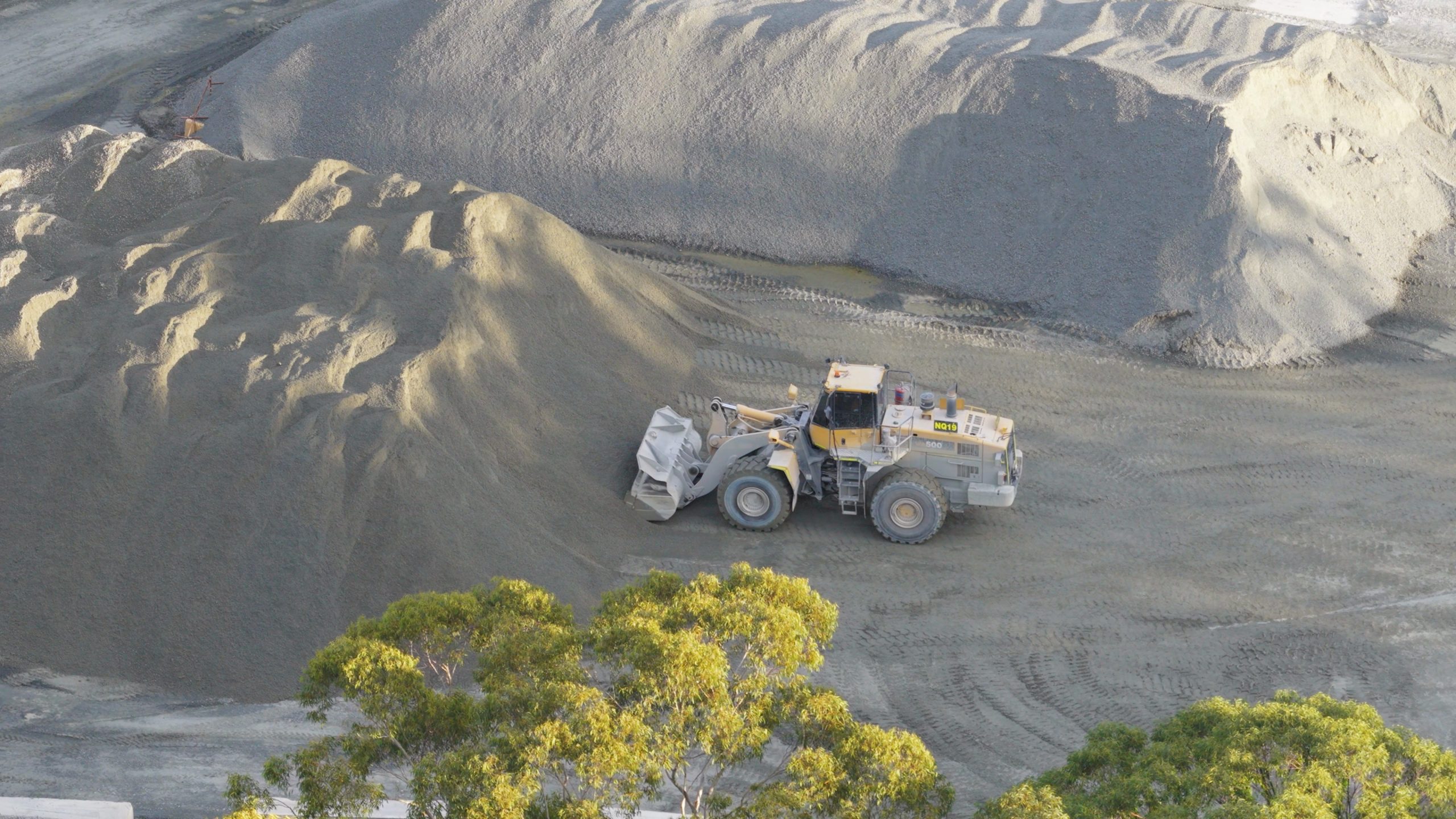
Decree No. 201/2026/ND-CP introduces targeted changes to Vietnam’s export tax framework for selected minerals and metals while aligning management responsibilities among government agencies.
As implementation begins in July 2026, businesses involved in international trade should closely monitor classification requirements and prepare early to adapt to the revised export environment.
Source: VnEconomy
10/6/2026





 VN
VN