 info@mplogistics.vn
 (+84) 28 3811 9033


The completion of negotiations for the Vietnam–EFTA Free Trade Agreement (FTA) marks a significant milestone for Vietnam seafood exporters. As global trade becomes increasingly competitive and international markets continue to tighten import regulations, the agreement opens new opportunities for Vietnamese seafood products to strengthen their presence in premium European markets.
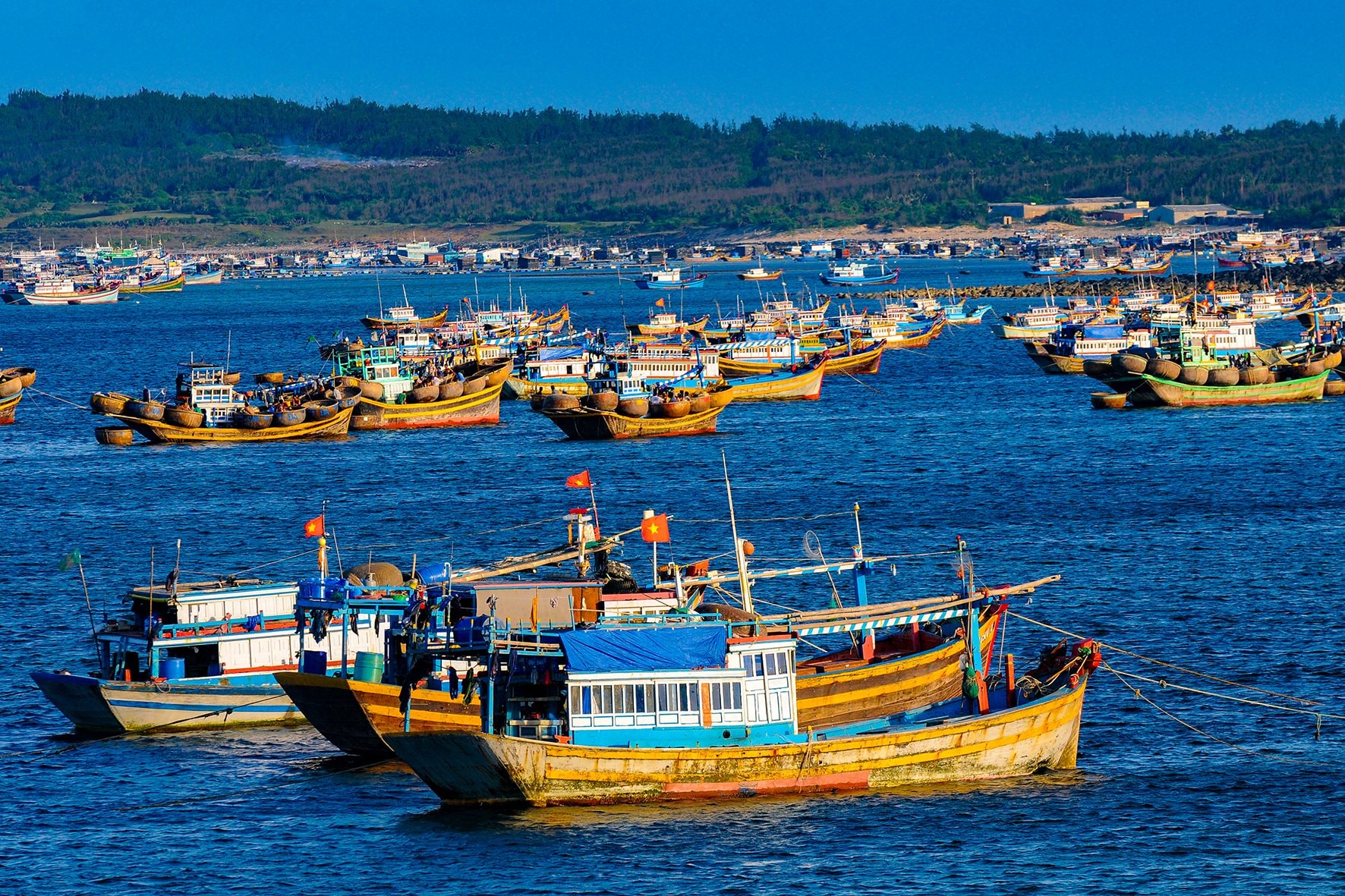
Although exports to the European Free Trade Association (EFTA) remain relatively modest, the region offers considerable long-term potential thanks to its high purchasing power, stable consumer demand, and preference for premium-quality seafood. The conclusion of the FTA provides Vietnam with an opportunity to diversify export destinations while reducing dependence on traditional markets.
EFTA offers strong market potential
The European Free Trade Association (EFTA) comprises four member countries: Switzerland, Norway, Iceland, and Liechtenstein. On July 2, 2026, Vietnam and EFTA officially announced the successful conclusion of FTA negotiations, paving the way for closer economic and trade cooperation.
Trade figures already highlight the market’s potential. In 2025, Vietnam’s seafood exports to Switzerland reached USD 34.1 million, representing a 15% increase from the previous year, while exports to Norway climbed to USD 18.5 million, up an impressive 95% year over year. Although these destinations still account for a relatively small share of Vietnam’s total seafood exports, they represent attractive high-value markets with significant room for future expansion.
Tariff reductions improve competitiveness
One of the most important advantages of the Vietnam–EFTA FTA is the gradual elimination of import tariffs on seafood products. According to the expected tariff roadmap, approximately half of all seafood tariff lines will be removed immediately after the agreement takes effect, while the remaining duties will be phased out over the following three to seven years.
Average seafood import tariffs are projected to decline from 11.4% to 5.3% during the first year, fall further to 2.3% after three years, and eventually reach zero by the end of the implementation period. Several premium products—including lobster, oysters, squid, and abalone—are expected to enjoy immediate duty-free access, while catfish products will become tariff-free after the third year.
Lower import duties will significantly enhance the price competitiveness of Vietnam seafood, enabling exporters to strengthen their position across EFTA markets while improving profit margins.
Premium seafood products have the greatest opportunity

Unlike many price-sensitive markets, EFTA consumers place greater emphasis on product quality, sustainability, food safety, and traceability. This creates favorable conditions for Vietnam to expand exports of higher-value seafood products rather than competing solely on price.
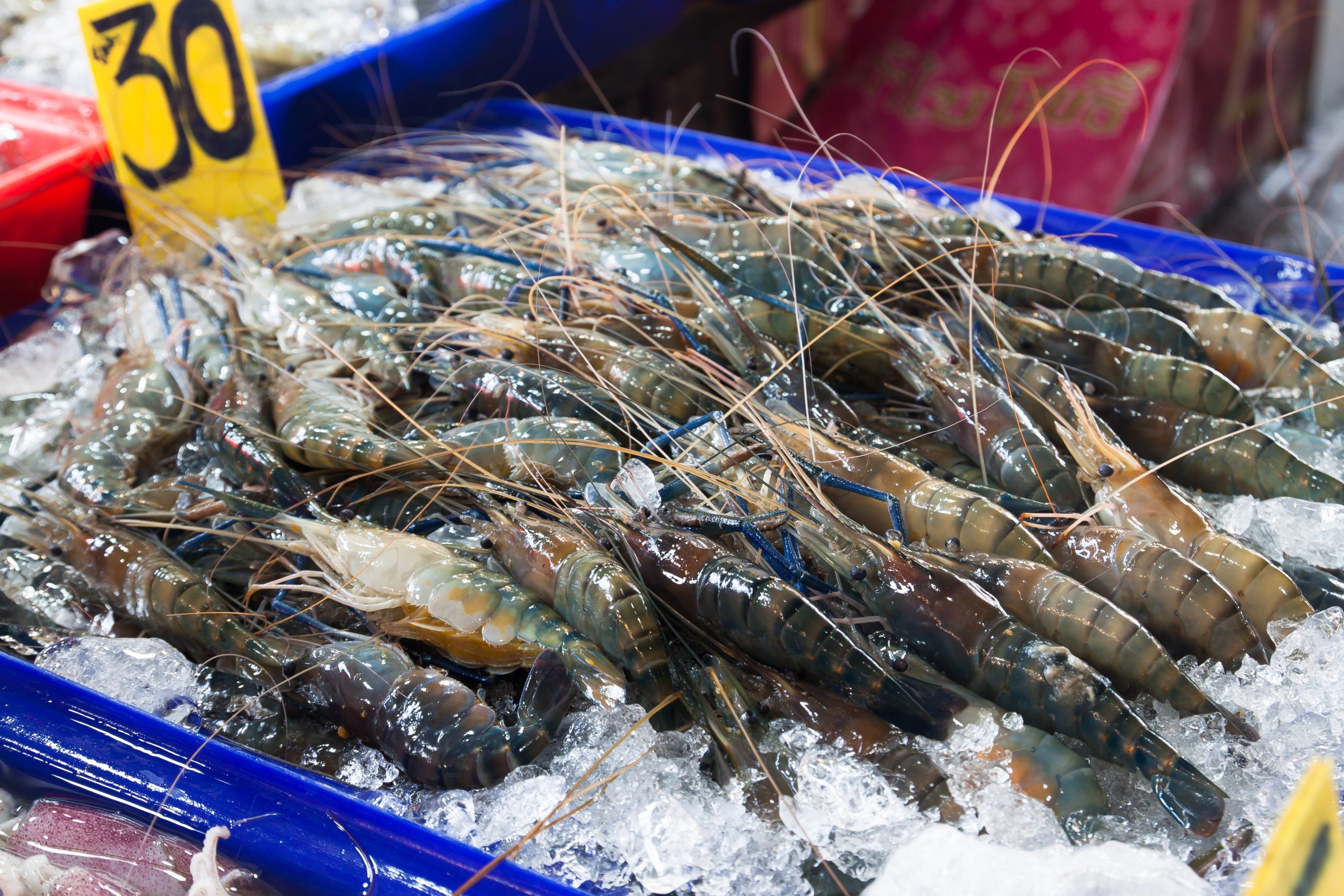
Products with particularly strong growth potential include processed shrimp, premium frozen shrimp, pangasius fillets, value-added pangasius products, tuna, squid, octopus, crab, mollusks, and convenient ready-to-cook seafood products designed for modern retail channels.
Switzerland presents especially promising opportunities because domestic production satisfies only a small portion of national seafood demand, leaving the country heavily dependent on imports. At the same time, ongoing restrictions on fishing activities within the European Union further increase demand for reliable seafood suppliers from countries such as Vietnam.
Exporters must meet higher standards
While the agreement creates substantial opportunities, businesses must also prepare for increasingly demanding market requirements. EFTA countries maintain rigorous standards covering food safety, product traceability, environmental protection, labor practices, and social responsibility. Exporters therefore need to invest throughout the entire production chain—from aquaculture and raw material sourcing to processing facilities, cold-chain logistics, packaging, labeling, and internationally recognized sustainability certifications.
Compliance with rules of origin will also be essential. Companies that rely on imported seafood inputs should carefully review origin requirements, HS classifications, and certification procedures to ensure their products qualify for preferential tariff treatment under the agreement.
Competition will likewise become more intense. In addition to competing with European suppliers, Vietnamese exporters will face strong competition from producers in Norway, the United Kingdom, Russia, the Faroe Islands, Greenland, and China. Success will increasingly depend on product quality, branding, innovation, and the ability to deliver consistent value-added seafood products.
Source: Ministry of Industry and Trade Web Portal
01/07/2026






 VN
VN