 info@mplogistics.vn
 (+84) 28 3811 9033


Ho Chi Minh City is placing logistics, semiconductors, high-tech manufacturing, and sustainable production at the center of its import-export development strategy for 2026–2030.
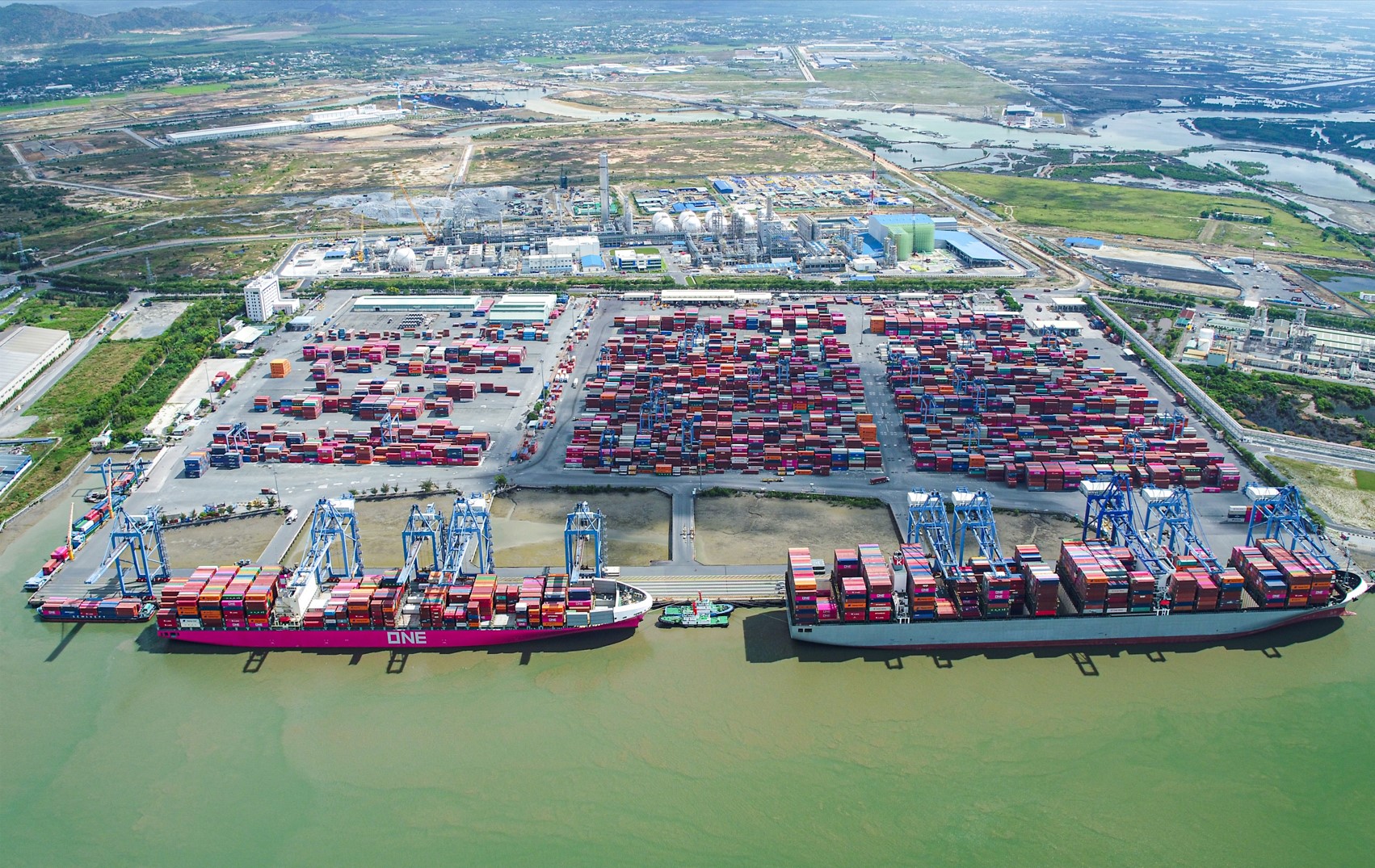
Under the city’s newly issued action plan, Ho Chi Minh City aims to increase annual export turnover by 10–11% while strengthening its logistics infrastructure and reducing logistics costs to improve the competitiveness of local businesses.
The plan reflects a broader shift in Vietnam’s trade strategy: logistics is no longer viewed simply as a supporting service for import and export activities, but as a strategic factor in determining supply chain efficiency, market access, and export competitiveness.
Ho Chi Minh City targets 10–11% annual export growth
According to the action plan implementing the Import-Export Strategy for 2026–2030, Ho Chi Minh City targets average annual export growth of 10–11%, while import turnover is expected to increase by 9–10% annually during the period.
By 2030, processed and manufactured products are expected to account for more than 90% of the city’s total export turnover. Around 70% of exports are targeted to come from products with medium- and high-level technological content.
This industrial shift is expected to increase the value generated by each export shipment while reducing dependence on resource-intensive and environmentally damaging industries.
Logistics becomes a strategic driver of trade
One of the most important elements of the 2026–2030 plan is the stronger role assigned to logistics.
By 2030, logistics service revenue generated by businesses in Ho Chi Minh City is expected to grow by 13–16% annually. At the same time, the city aims to reduce logistics costs to approximately 11–14% of GRDP.

These targets demonstrate that the city considers supply chain efficiency an important component of its economic competitiveness.
For an export-oriented economy, supply chain costs directly affect product prices, delivery times, inventory management, and profit margins. Improving infrastructure and connectivity can therefore help local manufacturers and exporters compete more effectively in international markets.
Rather than focusing solely on individual transport services, Ho Chi Minh City plans to develop a more integrated supply chain network connecting production areas, industrial parks, ports, airports, inland container depots (ICDs), and international trade routes.
Smart logistics centers and Free Trade Zones
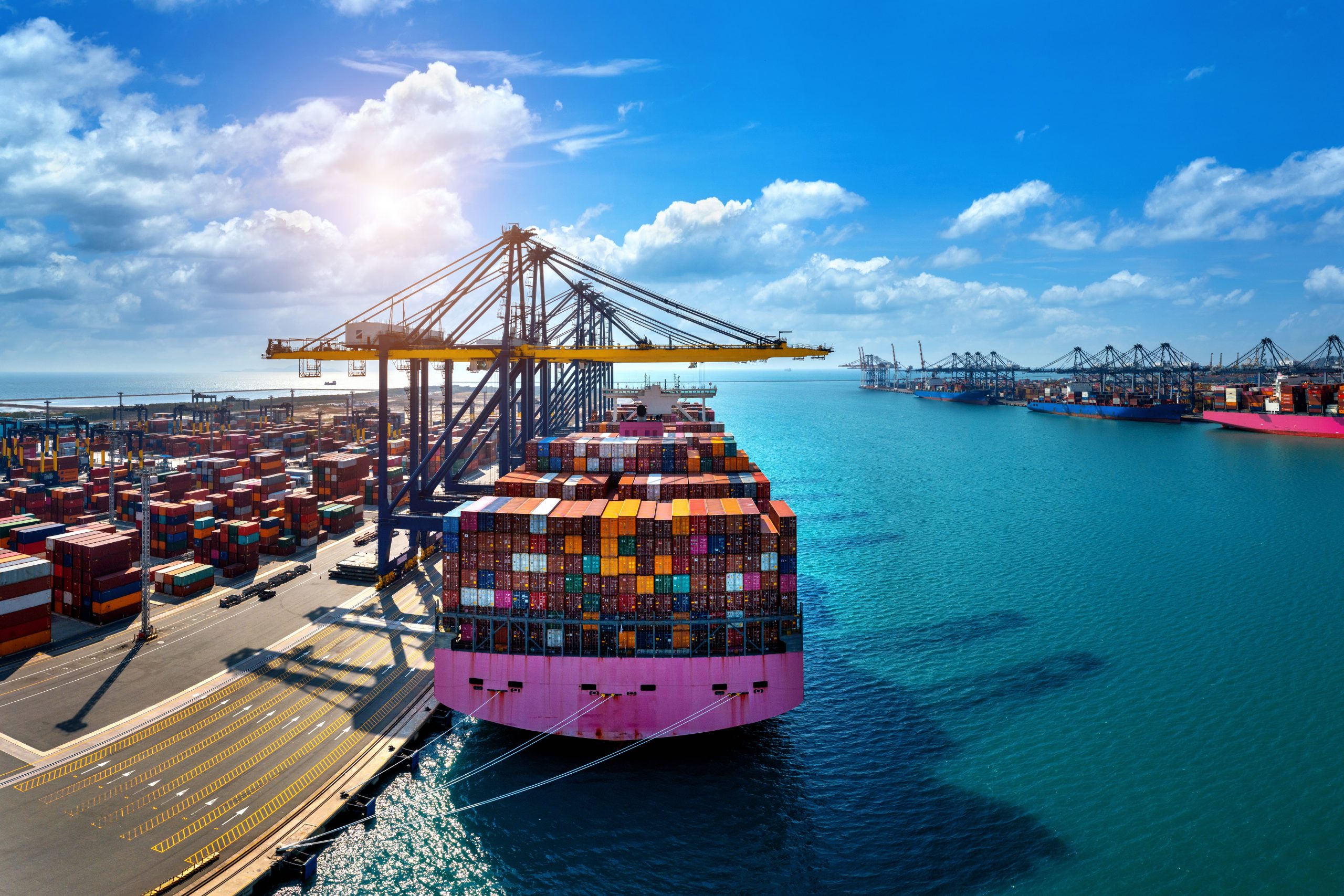
The city plans to develop next-generation free trade zones linked with smart logistics centers as part of its strategy to improve trade infrastructure.
The development direction includes upgrading the port system and ICD network, studying the expansion of logistics centers, and promoting multimodal transportation.
Smart logistics centers can play an important role in integrating warehousing, transportation, cargo handling, customs procedures, and digital technologies. This can help businesses improve shipment visibility, optimize inventory, and shorten cargo processing time.
The strategy also highlights the importance of multimodal transportation, allowing businesses to combine different transport modes according to cargo characteristics, cost, and delivery requirements.
For manufacturers and exporters, stronger multimodal connectivity can provide greater flexibility when selecting routes and managing international supply chains.
Diversifying eport markets
The strategy also sets targets for the geographical structure of Ho Chi Minh City’s exports. By 2030, Europe is expected to account for around 17–18% of exports, the Americas approximately 30%, and Asia around 50%. Meanwhile, exports to markets covered by free trade agreements (FTAs) are expected to exceed 75% of total exports.
This market diversification could create additional demand for international logistics services, particularly cross-border transportation, customs support, freight forwarding, warehousing, and trade compliance.
As exporters expand into different markets, logistics networks will need to become more flexible and capable of handling different regulatory, documentation, and delivery requirements.
A more sustainable logistics and industrial model
Ho Chi Minh City plans to restructure its industrial sector toward high technology, automation, circular economy models, and lower emissions. Industrial parks and export processing zones are expected to move toward ecological and next-generation models.
This transition will also affect supply chain operations. Businesses are increasingly required to consider not only transportation costs and delivery speed, but also fuel efficiency, emissions, packaging, route optimization, and supply chain transparency.
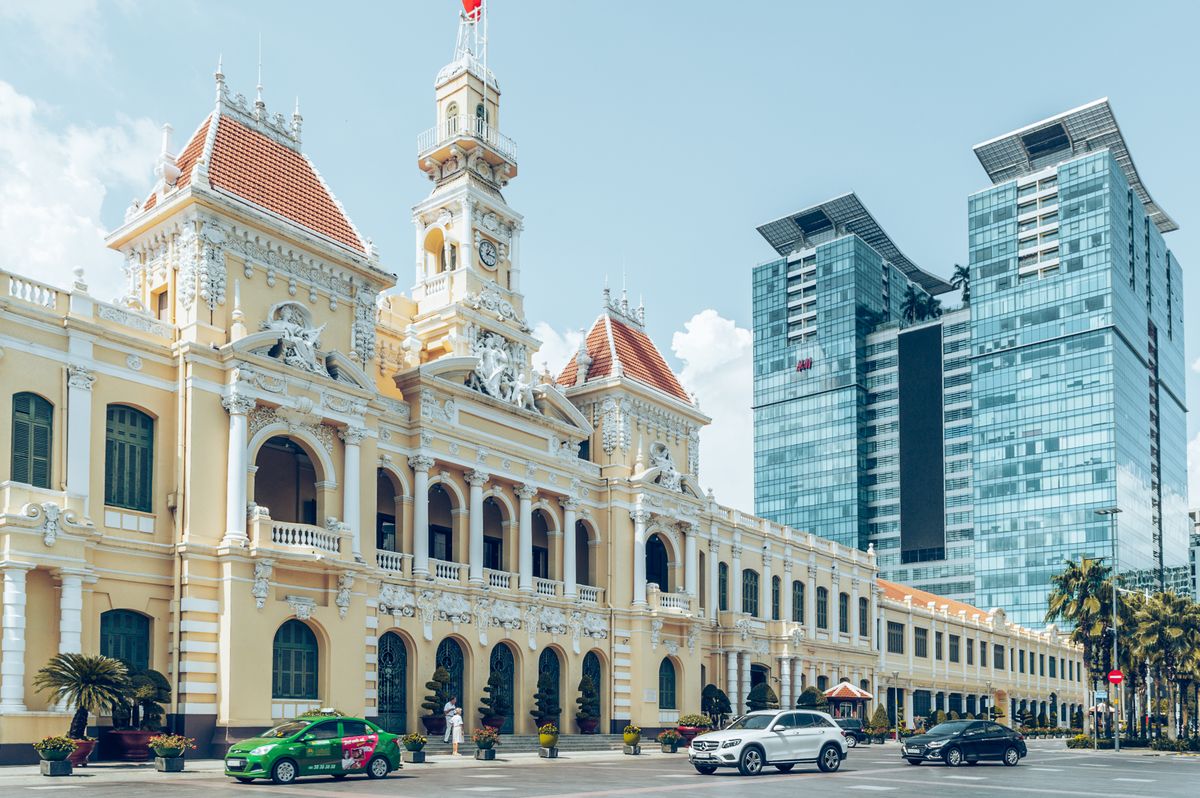
As Ho Chi Minh City moves toward 2030, logistics will increasingly become part of the competitive advantage of the entire export ecosystem. Better infrastructure, smarter logistics operations, stronger multimodal connectivity, and lower logistics costs can help manufacturers reach international markets more efficiently and support the city’s ambition to accelerate export growth.
Source: VnEconomy
2/08/2026





 VN
VN