 info@mplogistics.vn
 (+84) 28 3811 9033


Vietnam is introducing new customs requirements for certain categories of imported goods from 14 August 2026. Under Decision No. 31/2026/QD-TTg, issued by the Prime Minister on 29 June 2026, 12 groups of imported goods will generally be required to complete customs procedures at the import port.
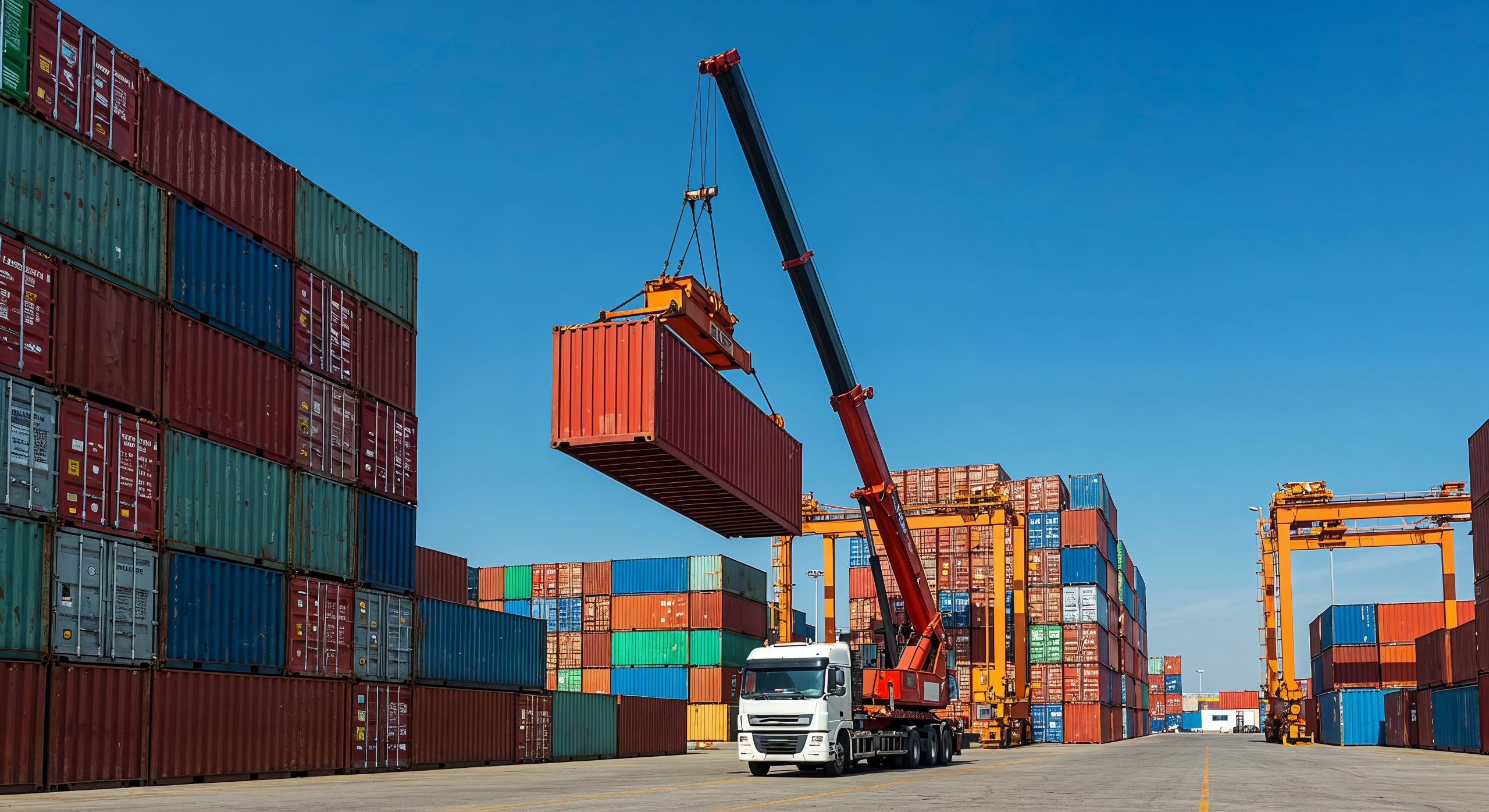
The new Decision replaces Decision No. 23/2019/QD-TTg, updating the list of imported goods subject to customs procedures at the import border gate. For importers, manufacturers and logistics providers, the change is important because the customs clearance location can directly affect transportation planning, cargo handling, delivery schedules and import lead times.
What are imported goods?
Imported goods are goods brought into Vietnam from foreign countries or territories for purposes such as domestic consumption, manufacturing, processing, export production, or other permitted activities. Depending on the product category, import purpose, and customs regime, different customs requirements may apply.
Under the new regulation, certain categories of imported goods are subject to specific requirements regarding where customs procedures must be carried out. The regulation aims to strengthen customs management while supporting controls related to public health, national defense, national security and other sensitive areas.
12 groups of imported goods covered by the new rule

From 14 August 2026, the following 12 groups of imported goods are included in the list subject to customs procedures at the import port:
1. Tobacco products: Cigarettes, cigars and other tobacco products intended for smoking, inhaling, chewing, smelling or sucking.
2. Alcohol: Imported alcoholic beverages covered by the relevant customs regulations.
3. Malt beer: Beer produced from malt.
4. Passenger cars under 16 seats: Imported passenger vehicles with fewer than 16 seats.
5. Aircraft and yachts: Imported aircraft and yachts.
6. Petrol: Imported petrol and relevant fuel products.
7. Air conditioners up to 90,000 BTU: Air-conditioning equipment with a capacity of 90,000 BTU or below.
8. Playing cards: Imported playing cards.
9. Joss paper: Paper products used for traditional and religious practices.
10. Explosives and precursors: Explosive precursors and industrial explosives included in the lists issued by the Ministry of Industry and Trade.
11. Defense and security goods: Goods included in the Government’s list of products affecting national defense and security.
12. Disease-risk goods: Goods imported from countries or territories subject to warnings concerning disease risks, based on notifications from the Ministry of Agriculture and Environment.
Legal basis and effective date
The new requirements are established under Decision No. 31/2026/QD-TTg, signed on 29 June 2026. Decision No. 31/2026/QD-TTg replaces Decision No. 23/2019/QD-TTg, establishes the updated list of imported goods subject to customs procedures at the import port, and takes effect from 14 August 2026.
This means businesses handling affected imported goods should review their customs procedures before the new rules become effective.
Mixed shipments under the same bill of lading
One provision that may have a significant operational impact concerns shipments containing different types of goods under the same bill of lading. Where a shipment contains both goods included in the regulated list and goods outside the list, customs procedures must generally be carried out at the customs authority of the import border gate.
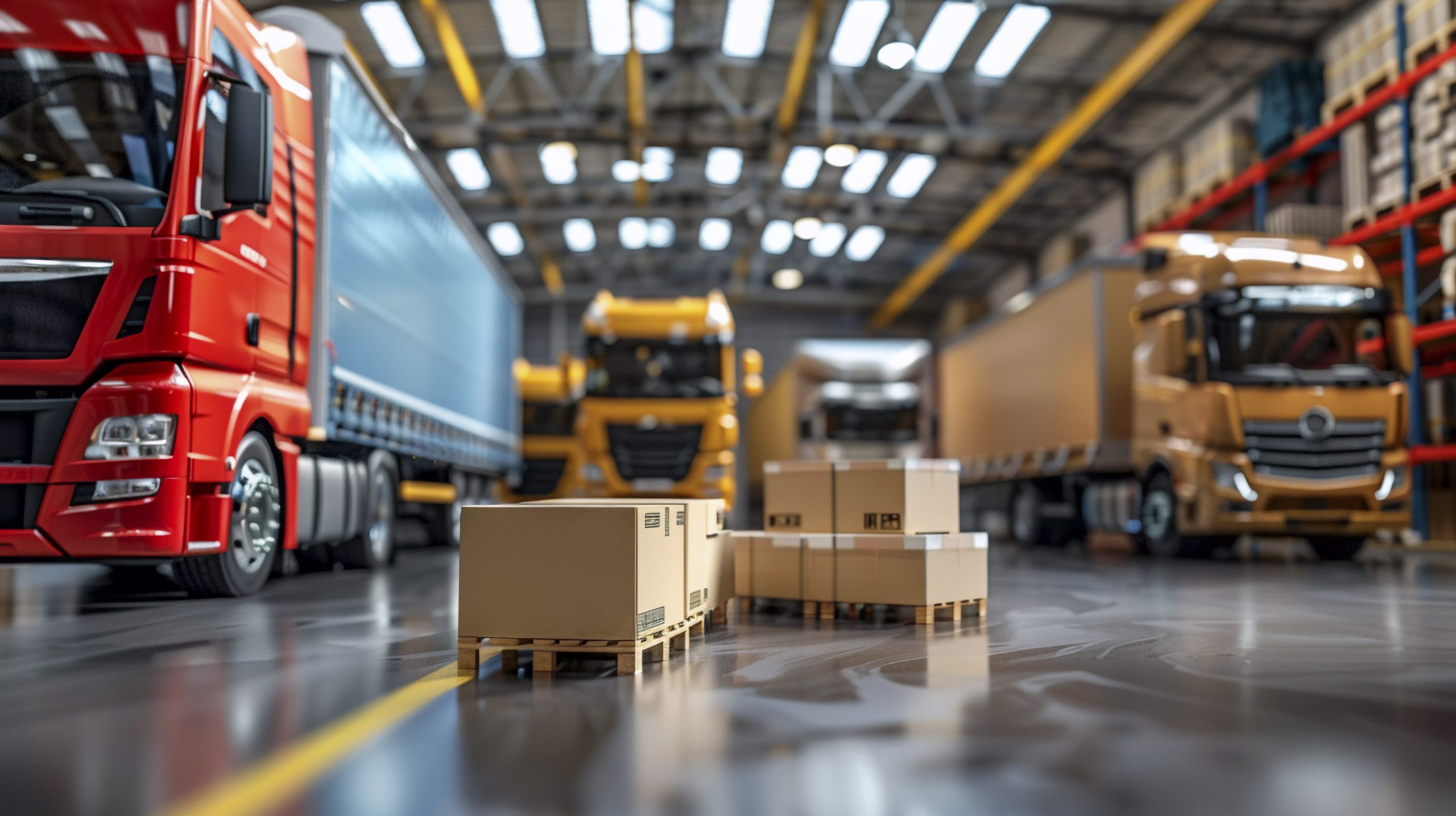
This makes cargo consolidation an important consideration for companies handling imported goods. Importers and logistics providers should review the composition of each shipment and consider how different product categories are consolidated under the same bill of lading. Proper shipment planning can help businesses avoid unnecessary changes to transportation and customs clearance arrangements.
Impact on logistics operations
The new requirements may affect more than the customs declaration itself. For logistics providers handling imported goods, the customs clearance location is closely connected with transportation planning, cargo handover, port operations, and final delivery.
If a shipment must be cleared at the import port, businesses may need to adjust trucking arrangements and delivery routes accordingly. For manufacturers, however, certain production-related imports may qualify for customs procedures at locations associated with the production facility.
This means businesses should evaluate the entire import logistics flow, rather than treating customs clearance as a separate administrative process. Accurate classification and early planning can help companies reduce unnecessary transportation movements, minimize operational disruptions, and maintain more predictable delivery schedules.

Vietnam’s updated customs framework introduces stricter location requirements for 12 specific groups of imported goods from 14 August 2026.
While the regulation strengthens customs management at import ports, it also provides exceptions for certain production, processing, bonded warehouse, non-tariff zone, and special-purpose imports. Businesses should therefore assess each shipment based on its product classification, import purpose, customs regime and logistics arrangement.
Early compliance planning will help importers and logistics providers minimize clearance risks, avoid unnecessary operational disruption and maintain efficient cargo flows. For businesses handling imported goods, preparation before 14 August 2026 is key to ensuring compliant and efficient customs clearance.
Source: VnEconomy
01/08/2026






 VN
VN