 info@mplogistics.vn
 (+84) 28 3811 9033


Foreign direct investment into Vietnam continued to accelerate in the first seven months of 2026, with total registered FDI reaching US$38.06 billion, up 58% year on year. The strong increase highlights continued investor confidence in Vietnam and reinforces the country’s position as an important destination for international investment and manufacturing.
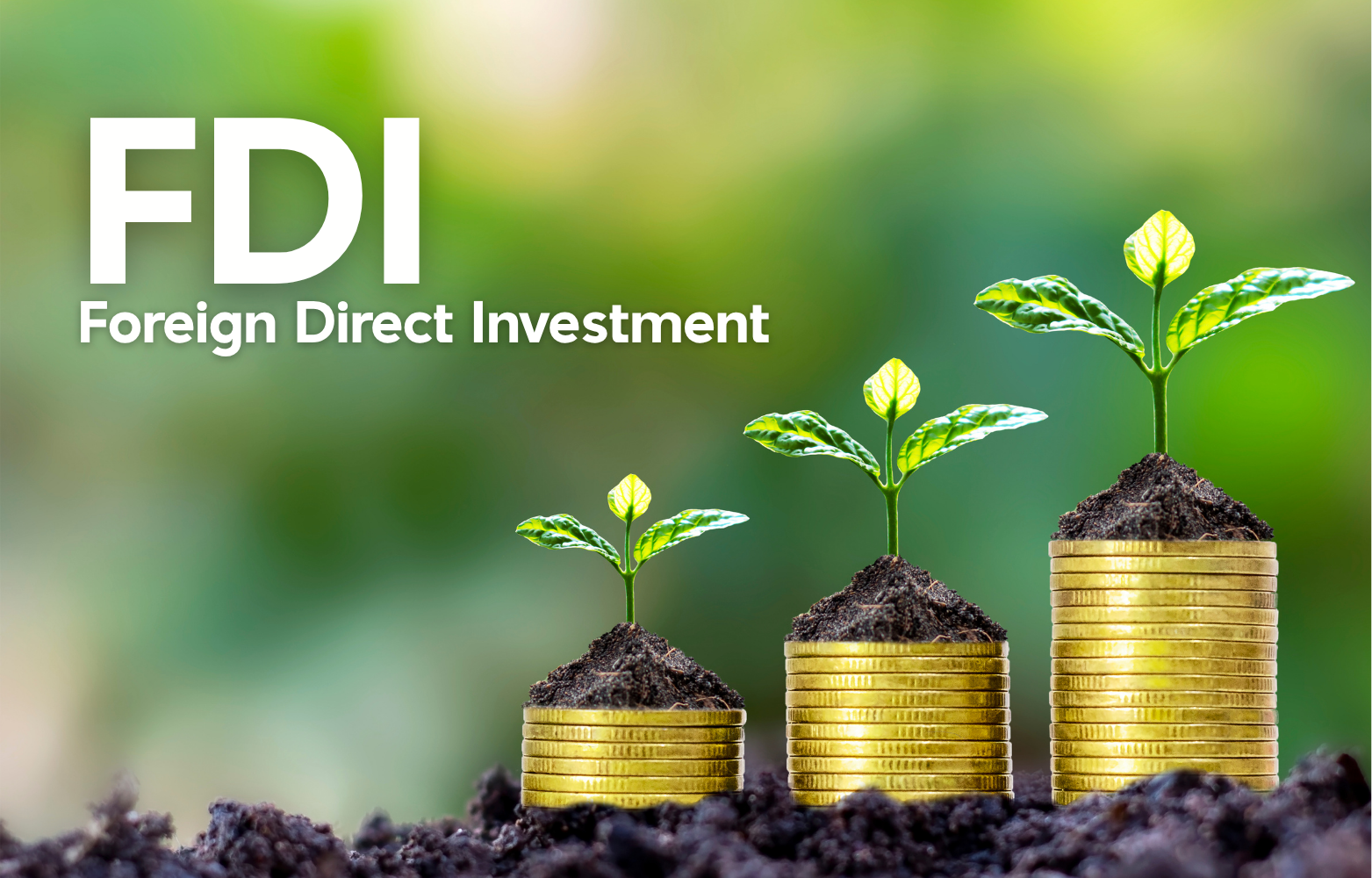
Notably, newly registered FDI reached US$21.05 billion, more than double the level recorded in the same period of 2025. Meanwhile, realized FDI stood at US$15.20 billion, marking the highest level recorded in the past five years.
The latest figures point to continued expansion of Vietnam’s investment landscape, particularly in manufacturing, logistics, transportation and energy.
Vietnam FDI Reaches US$38.06 Billion
Vietnam recorded US$38.06 billion in total registered FDI during the first seven months of 2026, representing a 58% increase compared with the same period last year.
The growth was supported by a sharp rise in newly registered investment. New FDI capital reached US$21.05 billion, approximately 2.1 times higher year on year.
Meanwhile, realized FDI reached US$15.20 billion, the highest level for the first seven months of a year in the past five years.
The strong realized investment figure is particularly significant because it indicates that foreign investment commitments are increasingly being translated into actual business activity, production capacity and capital deployment in Vietnam.
For the Vietnamese economy, stronger FDI inflows can contribute to manufacturing expansion, job creation, technology transfer and greater integration into global supply chains.
Manufacturing Remains the Leading FDI Sector
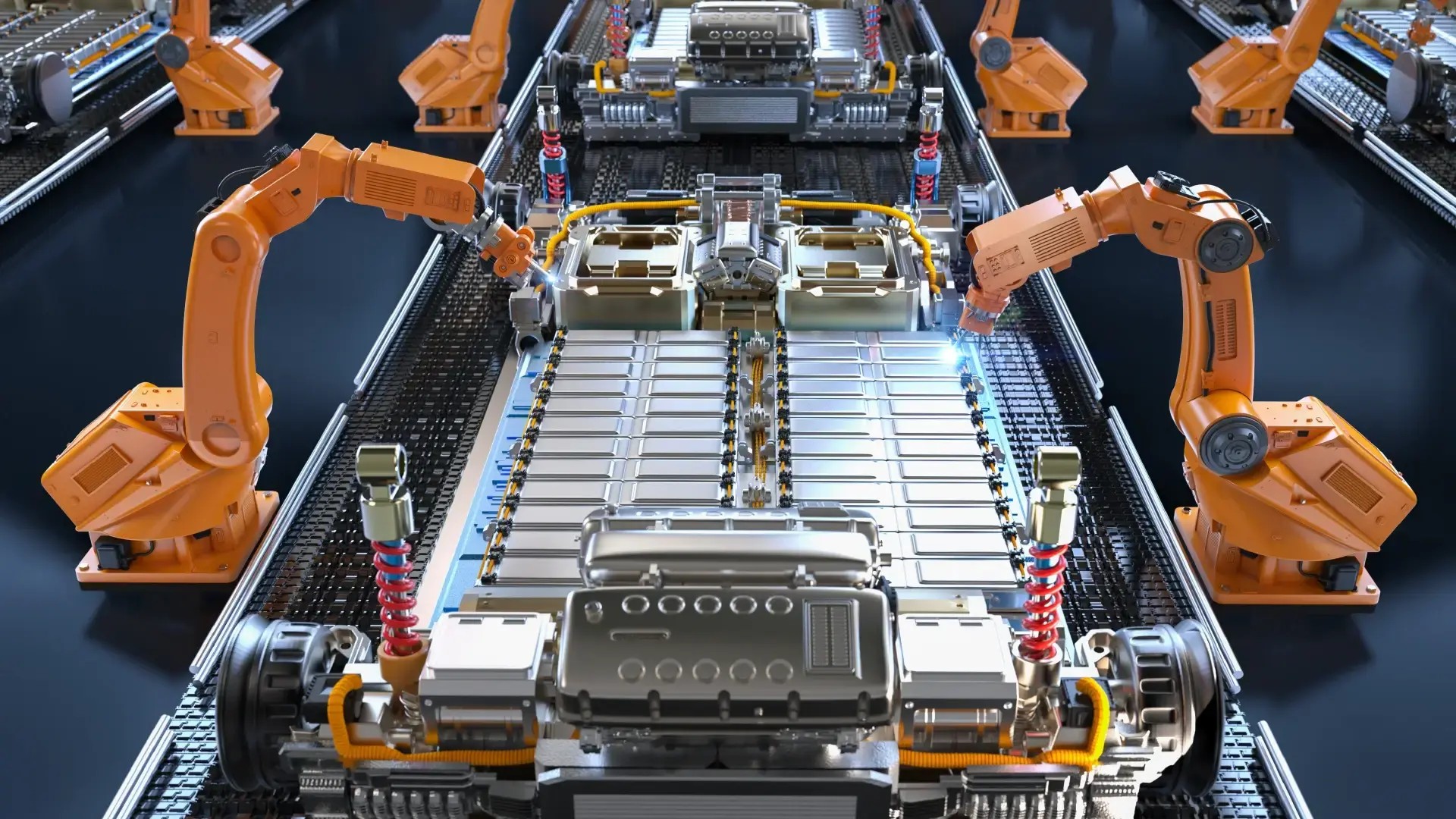
Manufacturing and processing continued to attract the largest share of newly registered foreign investment in Vietnam.
The sector accounted for approximately 55% of newly registered FDI during the first seven months of 2026, reinforcing its position as the primary destination for foreign investors.
Vietnam’s manufacturing sector has become an important part of regional and global supply chains, particularly in electronics, machinery, consumer goods and other export-oriented industries.
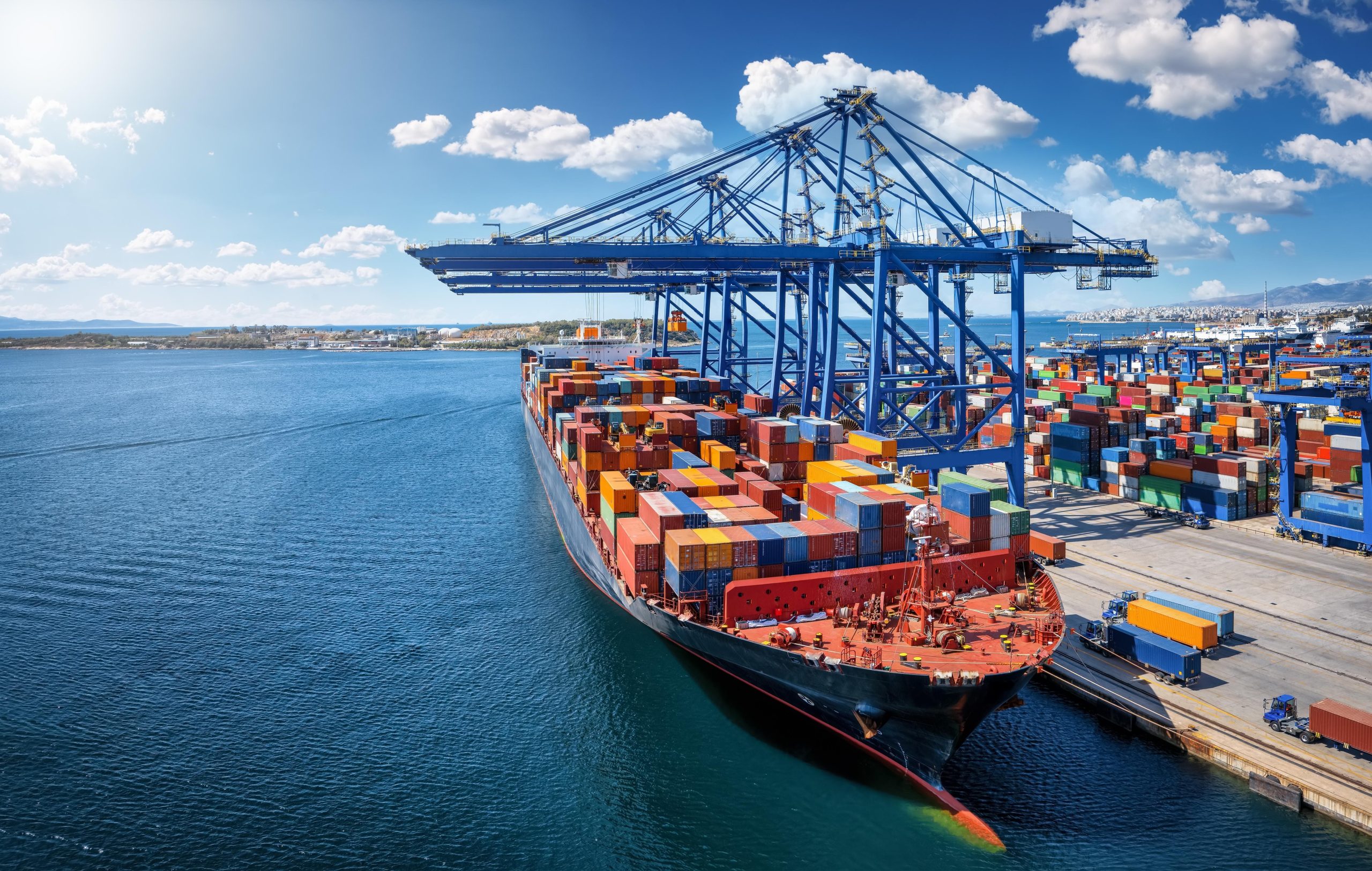
The continued flow of foreign capital into manufacturing also generates demand for supporting services, including transportation, warehousing, customs clearance, freight forwarding and other logistics activities.
As more foreign-invested manufacturers expand their operations in Vietnam, efficient logistics infrastructure will become increasingly important to connecting factories with suppliers, ports and international markets.
FDI Strengthens Vietnam’s Global Supply Chain Position
The strong growth in FDI is closely connected with Vietnam’s expanding role in global supply chains.
Foreign manufacturers investing in Vietnam often require reliable connections between production facilities, suppliers, warehouses, seaports and international markets.
As manufacturing investment increases, demand for logistics services in Vietnam is also expected to grow.
This includes international freight forwarding, customs brokerage, inland transportation, warehousing and supply chain management.
Vietnam’s strategic location in Southeast Asia, combined with its expanding port and transportation infrastructure, provides investors with access to major regional and international markets.
The continued expansion of foreign-invested manufacturing therefore has implications beyond the investment sector itself. It can also contribute to higher demand across Vietnam’s broader logistics ecosystem.
Vietnam’s Overseas Investment Also Surges
While Vietnam continues to attract substantial foreign capital, Vietnamese companies are also increasing their investment overseas.
During the first seven months of 2026, total Vietnamese investment abroad reached approximately US$2.36 billion, representing a 4.5-fold increase year on year.
The increase indicates that Vietnamese businesses are becoming more active in international markets and expanding their presence beyond the domestic economy.
Among the sectors receiving significant overseas investment were transportation and warehousing, as well as energy.
The growth in overseas investment in transportation and warehousing is particularly notable for the logistics industry. It suggests that Vietnamese companies are increasingly looking beyond domestic operations and seeking opportunities to build or expand logistics capabilities in international markets.
Transportation and Warehousing Gain Importance
The growing role of transportation and warehousing in overseas investment reflects the increasing importance of logistics in Vietnam’s economic expansion.
As Vietnamese companies expand internationally, logistics infrastructure can become a strategic asset. Investments in transportation networks, warehouses and related services can support companies in accessing new markets and improving supply chain control.
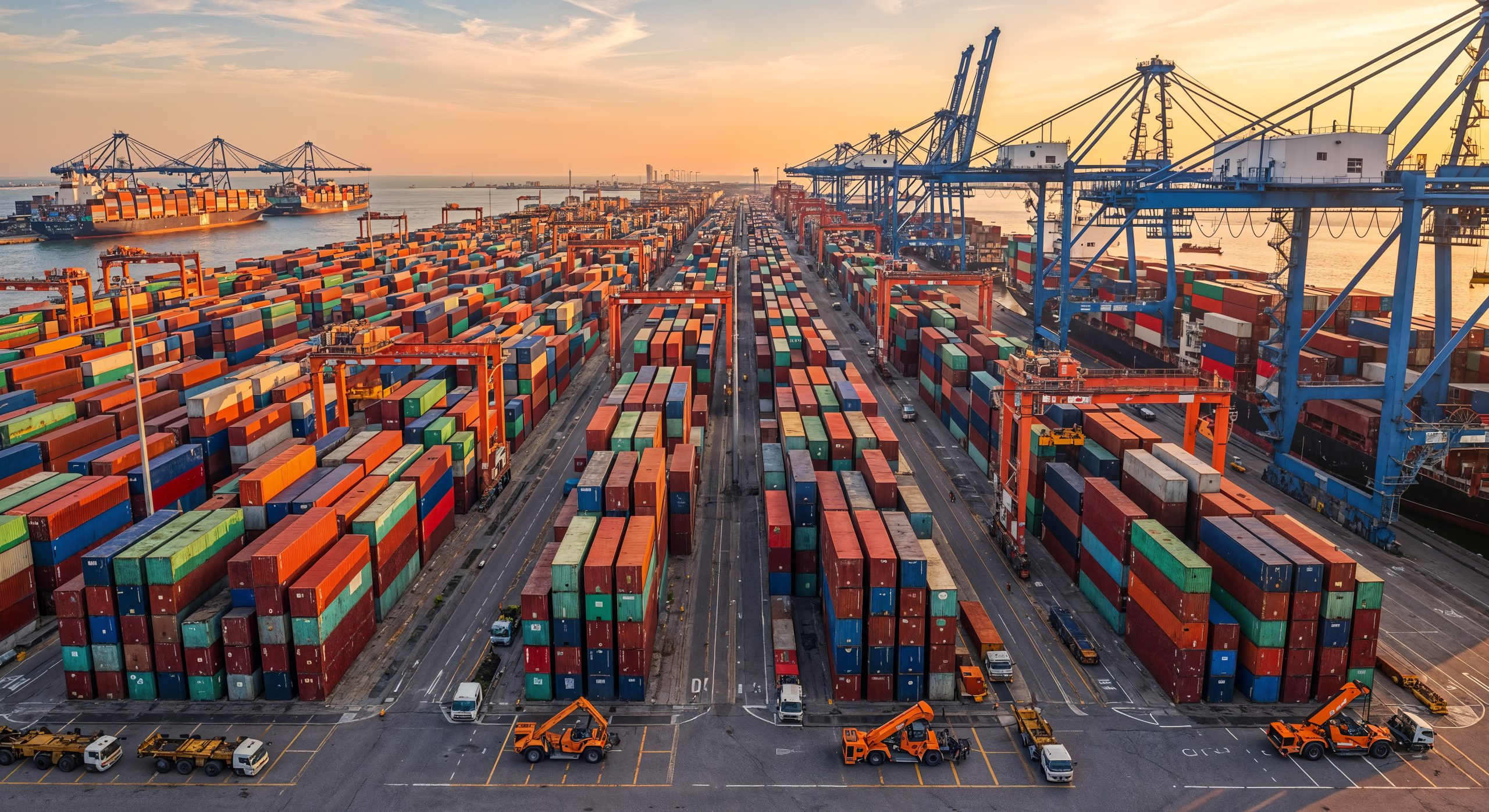
At the same time, stronger FDI inflows into Vietnam’s manufacturing sector are generating additional demand for domestic logistics services.
This creates a two-way relationship between investment and logistics: foreign manufacturers require efficient logistics infrastructure to operate in Vietnam, while the expansion of logistics capabilities can make Vietnam more attractive to future investors.
Vietnam’s Investment Outlook
Vietnam’s FDI performance in the first seven months of 2026 demonstrates continued momentum in attracting international capital.
With US$38.06 billion in registered FDI, newly registered capital more than doubling year on year and realized FDI reaching a five-year high, the country is strengthening its position as an investment destination in Southeast Asia.
Manufacturing and processing remain the primary drivers, while Singapore, South Korea and Hong Kong, China are among the leading sources of investment.
At the same time, the sharp increase in Vietnamese overseas investment shows that domestic companies are becoming more active in international markets, particularly in transportation, warehousing and energy.
For Vietnam’s logistics and supply chain industry, these developments create opportunities on both sides of the investment flow. Rising foreign investment can increase demand for logistics services within Vietnam, while growing overseas investment by Vietnamese companies can expand the country’s logistics presence internationally.
Overall, the latest figures underline the increasingly close relationship between FDI, manufacturing, logistics and global supply chains, with Vietnam continuing to strengthen its role as a key investment and production hub in Southeast Asia.
Source: Foreign Investment Agency, Ministry of Finance of Vietnam
17/08/2026




 VN
VN