 info@mplogistics.vn
 (+84) 28 3811 9033


Vietnam’s maritime logistics sector has reached another notable milestone as Tan Cang – Cai Mep International Terminal (TCIT) recorded its highest-ever monthly cargo throughput in July 2026. The Vietnam seaport handled 221,819 TEUs, equivalent to approximately 3.2 million tons of cargo, surpassing its previous record of 216,952 TEUs set in August 2025.
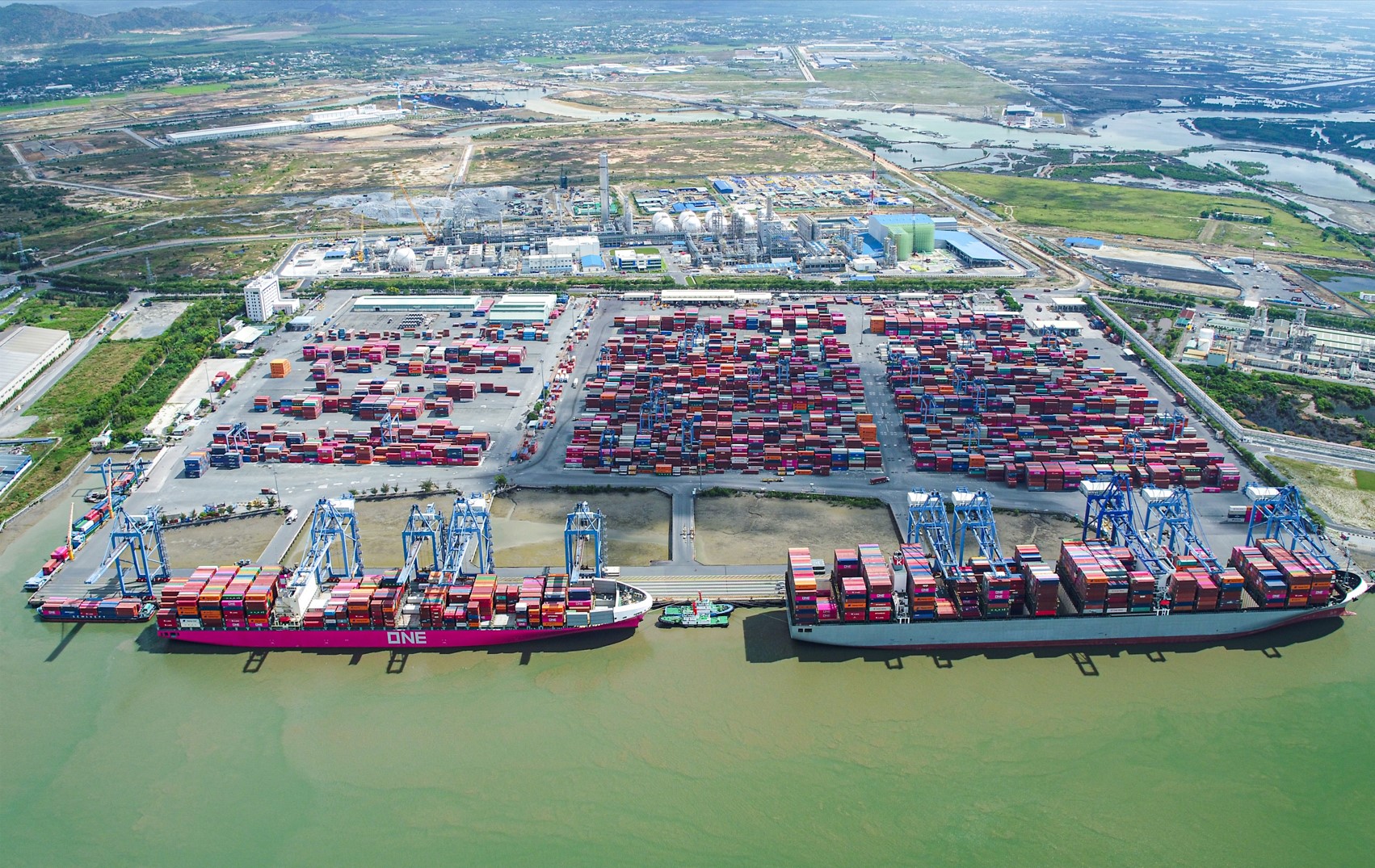
The new record highlights the growing importance of the Cai Mep – Thi Vai port cluster in Vietnam’s import-export network, while also reflecting stronger cargo flows and improving operational capacity across the country’s logistics sector.
TCIT Sets New Monthly Throughput Record
In July 2026, TCIT processed 221,819 TEUs, marking the highest monthly throughput in the terminal’s operating history. The result represents a new benchmark for this Vietnam seaport and demonstrates its ability to handle increasingly large cargo volumes.
The July result is equivalent to around 3.2 million tons of cargo, demonstrating the substantial volume of goods moving through the port within a single month.
Located in the Cai Mep – Thi Vai deep-water port area, TCIT plays an important role in handling containerized import and export cargo and connecting Vietnamese businesses with major international markets.
The record also comes amid continued growth in Vietnam’s international trade. During the first six months of 2026, the country’s total import-export turnover increased by 27.1% year on year. Meanwhile, the Cai Mep – Thi Vai port cluster handled approximately 3.9 million TEUs, up 9.2% from the same period.
Strong International Connectivity Supports Cargo Growth
One of the key factors behind TCIT’s record performance is its extensive network of international shipping services.
During July, the Vietnam seaport handled 45 mother vessel calls across 13 international services, connecting Vietnam directly with major markets in the Americas, Europe and Asia. TCIT also handled 13 domestic feeder vessel calls and 83 Cambodia transshipment vessel calls.
These connections allow exporters and importers to move cargo through deep-water services with fewer transshipment requirements, supporting more efficient international supply chains.
The Cai Mep – Thi Vai cluster currently maintains 53 international shipping routes, providing direct connections to major markets across the Americas, Europe, Africa, the Middle East and Asia.
As a result, the development of deep-water Vietnam seaports is closely linked to the country’s ability to compete in global manufacturing and international trade.
Operational Efficiency Remains a Key Factor
Handling more than 221,000 TEUs in a single month requires not only strong cargo demand but also the ability to maintain operational performance under heavy workloads.
In July, TCIT recorded vessel handling productivity of more than 138 containers per hour per vessel. Average container processing time through the terminal gate remained at approximately 15 minutes per container.
These figures indicate that the increase in cargo volume was accompanied by continued efforts to maintain operational efficiency.
For shipping lines, manufacturers and logistics providers, terminal productivity is particularly important because delays at ports can affect vessel schedules, inland transportation and inventory planning across the supply chain.
The ability to accommodate high cargo volumes while maintaining relatively stable vessel and gate operations therefore represents an important competitive advantage for a major container terminal.
What the Record Means for Vietnam’s Logistics Industry
The 221,819-TEU milestone is more than an individual achievement for TCIT. It also provides a snapshot of the broader development of Vietnam’s logistics and international trade infrastructure.
Vietnam has become increasingly integrated into global manufacturing and supply chains, with export-oriented industries generating substantial demand for container transportation. As production, trade and international investment expand, demand for efficient port and logistics infrastructure is expected to remain significant.
The performance of Cai Mep – Thi Vai is particularly important because the cluster has the infrastructure required to accommodate large international container vessels and provide direct connections to overseas markets.
The latest figures suggest that the region is continuing to strengthen its position as one of Vietnam’s major gateways for international container trade.
At the same time, higher throughput also places greater demands on the wider logistics ecosystem. Ports must operate in coordination with shipping lines, trucking companies, warehouses, customs services, freight forwarders and manufacturers to prevent congestion and maintain cargo flow.
In this context, the record at TCIT reflects the combined performance of multiple links across the supply chain rather than simply an increase in port activity.
Cai Mep – Thi Vai Strengthens Its Role as an International Gateway
The continued growth of container throughput at Cai Mep – Thi Vai reinforces the strategic importance of deep-water ports in Vietnam’s logistics development.
Unlike smaller ports that may depend more heavily on feeder services, deep-water terminals such as those in Cai Mep can serve large international mother vessels. This creates opportunities for more direct maritime connections between Vietnam and major global trade markets.
For exporters, direct services can help improve connectivity with destinations in North America, Europe and other major markets. For importers, they can support more predictable cargo flows and integration with global supply chains.
The development of Cai Mep – Thi Vai is therefore closely connected with Vietnam’s broader ambition to improve logistics infrastructure and strengthen its position in regional and global trade.
A Milestone for Vietnam’s Port and Logistics Sector
TCIT’s record of 221,819 TEUs in July 2026 comes at a time when Vietnam’s trade and logistics activities are expanding rapidly.
The combination of rising import-export turnover, increasing container volumes, extensive international shipping connectivity and strong terminal productivity provides a positive signal for the development of Vietnam’s maritime logistics sector.
However, sustaining this growth will require continued investment in Vietnam seaport infrastructure, inland connectivity, digitalization and coordinated logistics services. As cargo volumes increase, efficient connections between seaports, industrial zones and major production centers will become increasingly important.
For Vietnam, the latest record is therefore more than a new throughput figure. It reflects the country’s growing role in global supply chains and the increasing capacity of its seaport system to support international trade.
With 221,819 TEUs handled in one month, TCIT has established a new operational benchmark while reinforcing the role of Cai Mep – Thi Vai as a major Vietnam seaport gateway for international container trade.
Source: SGGP English Edition – Saigon Giải Phóng
02/08/2026





 VN
VN