 info@mplogistics.vn
 (+84) 28 3811 9033


Vietnam’s scallop exports are surging, reaching nearly US$49 million in the first half of 2026, up 141% year on year. The strong growth highlights Vietnam’s expanding position in the global scallop trade, supported by rising demand, tight global supply and growing processing and re-export activity.
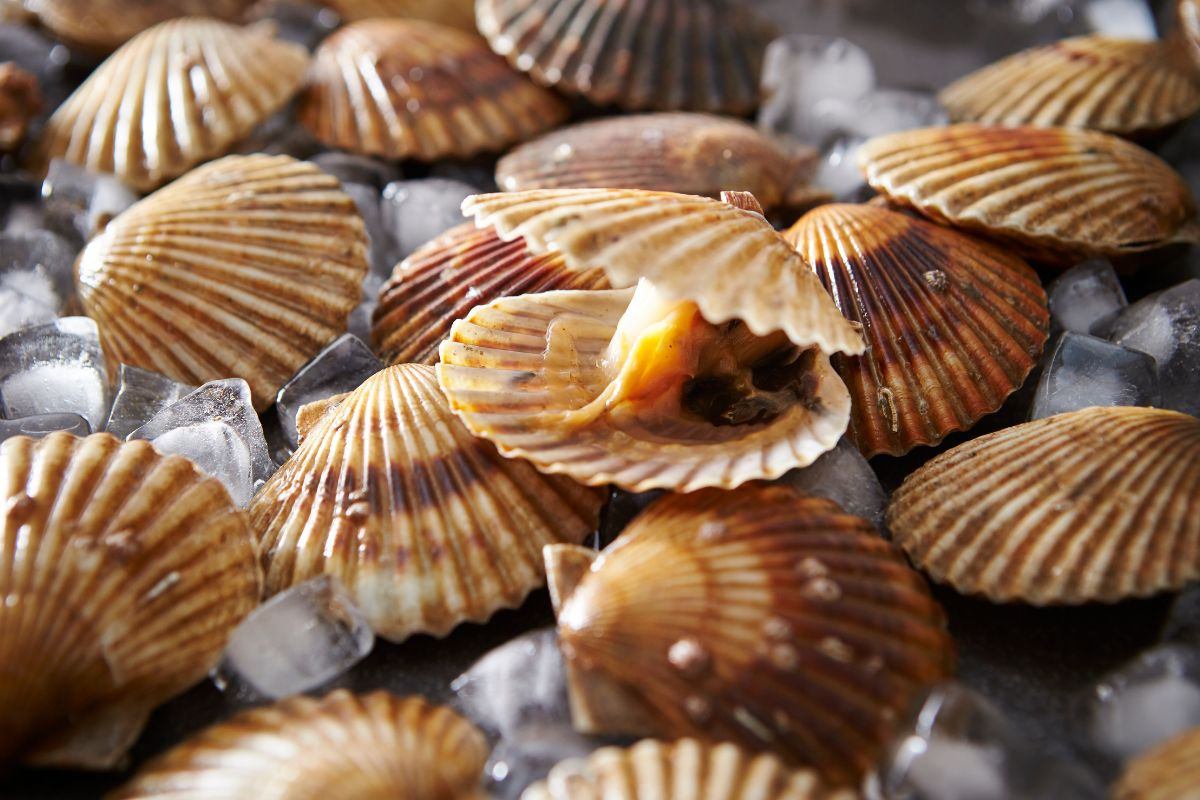
The global bivalve market continues to face supply-side pressure. According to the FAO’s market outlook, limited stocks and rising production costs are expected to keep scallop prices relatively high through 2026.
In the United States, lower domestic production is contributing to tighter availability, while higher production costs in Japan and reduced supply from China are adding further pressure to the global market. Popular sizes such as U10 and U12 are expected to remain particularly limited. The U.S. market is also expected to remain a major influence on global scallop prices, as American buyers account for a significant share of production from key suppliers such as Japan and Peru.
Vietnam’s scallop exports jump 141%
Vietnam’s scallop exports reached nearly $49 million in the first half of 2026, up 141% year on year, according to VASEP. The result is notable compared with previous years. H1 2026 export value was approximately 10% higher than the $44 million recorded for the whole of 2024, while already reaching nearly 74% of the $66 million achieved in full-year 2025.
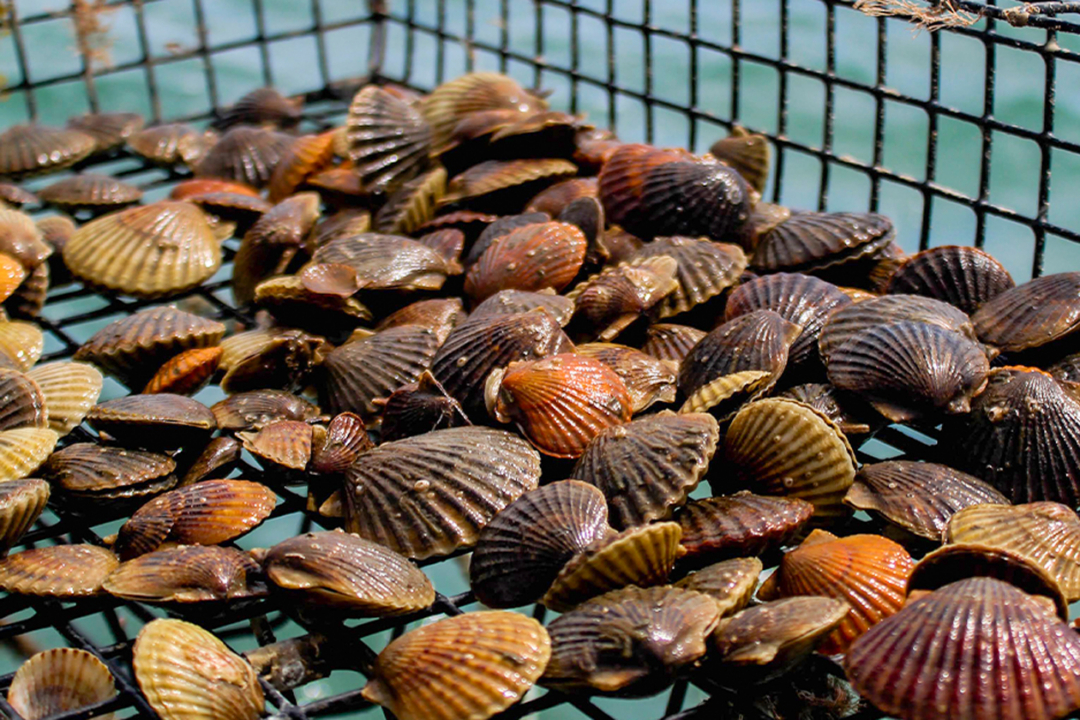
Monthly export performance also remained relatively consistent. After exceeding $10.1 million in January, monthly shipments from February through June stayed between $6.9 million and $8.7 million. Exports reached around $25 million in Q1 and nearly $24 million in Q2, suggesting that the growth was not driven solely by a few unusually large shipments.
Japan, Australia and the U.S. lead demand
Japan, Australia and the United States were the three leading markets, together accounting for nearly 56% of Vietnam’s total scallop export value. Japan generated more than $9 million, up 126% YoY. Beyond being an important consumer market, Japan is also closely connected to Vietnam’s processing supply chain. Following disruptions in the Japanese scallop trade, part of the raw material has been shipped to Vietnam for shucking, preliminary processing and freezing before being re-exported.
Australia recorded the most dramatic growth, with exports reaching $9.3 million, up 1,136%. While the percentage increase was partly influenced by a low comparison base, the export value suggests that Vietnamese suppliers may have secured new commercial contracts in the market.
Maintaining this momentum, however, will depend on meeting strict requirements covering food safety, traceability and bivalve mollusk controls.
U.S. supply shortages support higher prices
The U.S. scallop market is also showing signs of tightening supply. In mid-July 2026, arrivals of Atlantic scallops at U.S. ports declined for the fourth consecutive week. At the New Bedford auction, prices for 10/20 scallops were generally around $16–21 per pound, while 20/30 scallops traded at approximately $13–18 per pound, depending on origin and quality.
Larger sizes such as U10 and U12 continued to command premium prices, with some lots reaching around $28–34 per pound. For the 2026 season, U.S. scallop production is expected to reach only around 17 million pounds, below the previous year’s forecast. Lower production combined with firm prices suggests that supply remains relatively tight.
A growing opportunity for Vietnam
The global scallop market is being reshaped by changing supply patterns, rising costs and shifting trade flows. For Vietnamese seafood businesses, this creates an opportunity to move further up the value chain.
The strong export growth in 2026 highlights Vietnam’s expanding role not only as a seafood exporter, but also as a processing and re-export hub within the global scallop supply chain. If international raw material flows remain stable and demand continues to hold, scallops could become an increasingly important product in Vietnam’s seafood processing and global trade ecosystem.
Source: Department of Fisheries and Fisheries Inspection
12/08/2026




 VN
VN