 info@mplogistics.vn
 (+84) 28 3811 9033


According to the latest assessment by Savills World Research, Vietnam has officially ranked among the Top 20 growth hubs and most sustainable hubs in the Asia-Pacific (APAC) region.
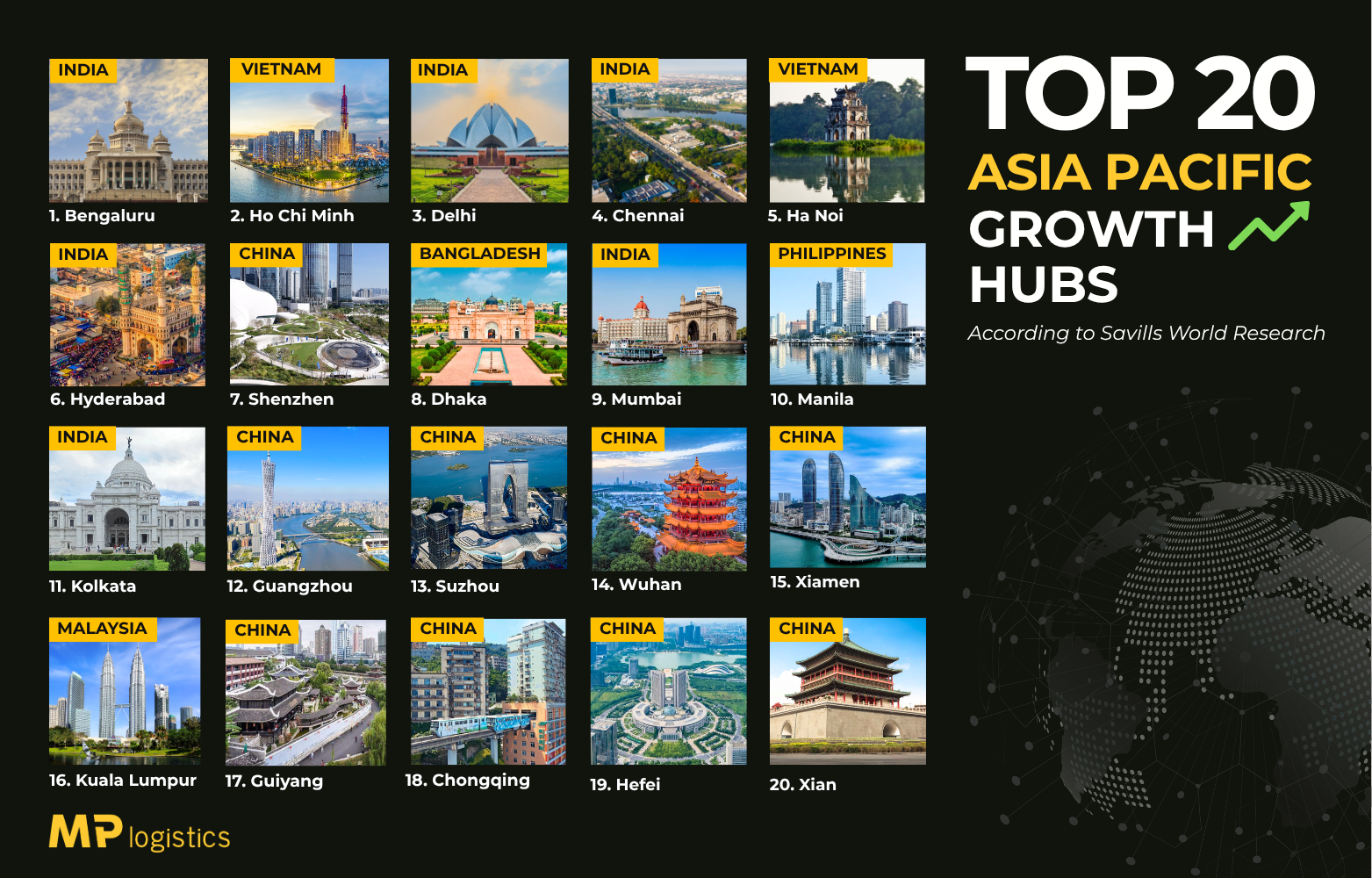
The recognition highlights the country’s strong economic momentum while creating significant opportunities for Vietnam logistics infrastructure to expand and modernize.
Vietnam’s rising position in regional supply chains
Vietnam’s inclusion in APAC’s Top 20 growth hubs reflects the country’s increasing importance within global manufacturing and trade networks. Over the past few years, Vietnam has continued attracting foreign direct investment while maintaining strong export growth across multiple industries.
As multinational companies diversify their supply chains and shift manufacturing activities toward Southeast Asia, Vietnam is becoming a strategic destination for production, warehousing, and distribution operations. This transition is accelerating demand for modern Vietnam logistics infrastructure, including ports, transportation systems, logistics parks, and industrial connectivity.
Combined with its strategic geographic location and extensive network of free trade agreements, Vietnam is strengthening its position as a regional logistics and supply chain hub.
Growing demand for Vietnam logistics infrastructure
The rapid growth of manufacturing, exports, and e-commerce is driving strong demand for Vietnam logistics infrastructure. Businesses increasingly require faster transportation, optimized warehousing, efficient inventory management, and reliable supply chain visibility to remain competitive.
As a result, logistics infrastructure is becoming a critical pillar supporting Vietnam’s long-term economic growth. Investments in highways, seaports, airports, inland container depots, and multimodal transport systems are continuing across the country.
Major economic zones such as Ho Chi Minh City, Binh Duong, Dong Nai, Hai Phong, and Ba Ria – Vung Tau are emerging as key logistics gateways that connect domestic manufacturing with international trade routes.
The expansion of Vietnam logistics infrastructure is also helping improve supply chain efficiency, reduce transportation costs, and strengthen regional connectivity.
Digital transformation shapes the future of logistics

Technology is playing an increasingly important role in the development of Vietnam logistics infrastructure. Companies are investing in warehouse automation, smart transportation management systems, real-time tracking, and data-driven supply chain solutions to improve operational performance.
At the same time, digital transformation is helping logistics providers optimize delivery timelines, improve inventory accuracy, and enhance customer experience.
Green logistics is also becoming a growing priority. Businesses are seeking more sustainable transportation methods and energy-efficient warehousing solutions as environmental standards continue rising across global supply chains.
The combination of digitalization and sustainability is expected to shape the next phase of Vietnam logistics infrastructure development.
Challenges and opportunities ahead
Despite its strong growth momentum, Vietnam’s logistics sector still faces several challenges. Infrastructure connectivity between ports, airports, industrial zones, and inland transportation networks remains uneven in some areas. Logistics costs also remain relatively high compared to several neighboring countries.
In addition, businesses must continue investing in workforce development, operational efficiency, and technological adoption to meet international standards.
However, Vietnam’s economic outlook and strategic position within APAC supply chains continue creating long-term opportunities for the logistics sector. With continued investment and infrastructure upgrades, Vietnam logistics infrastructure is expected to become more integrated, efficient, and globally competitive in the coming years.
Vietnam positioned for Long-Term logistics growth
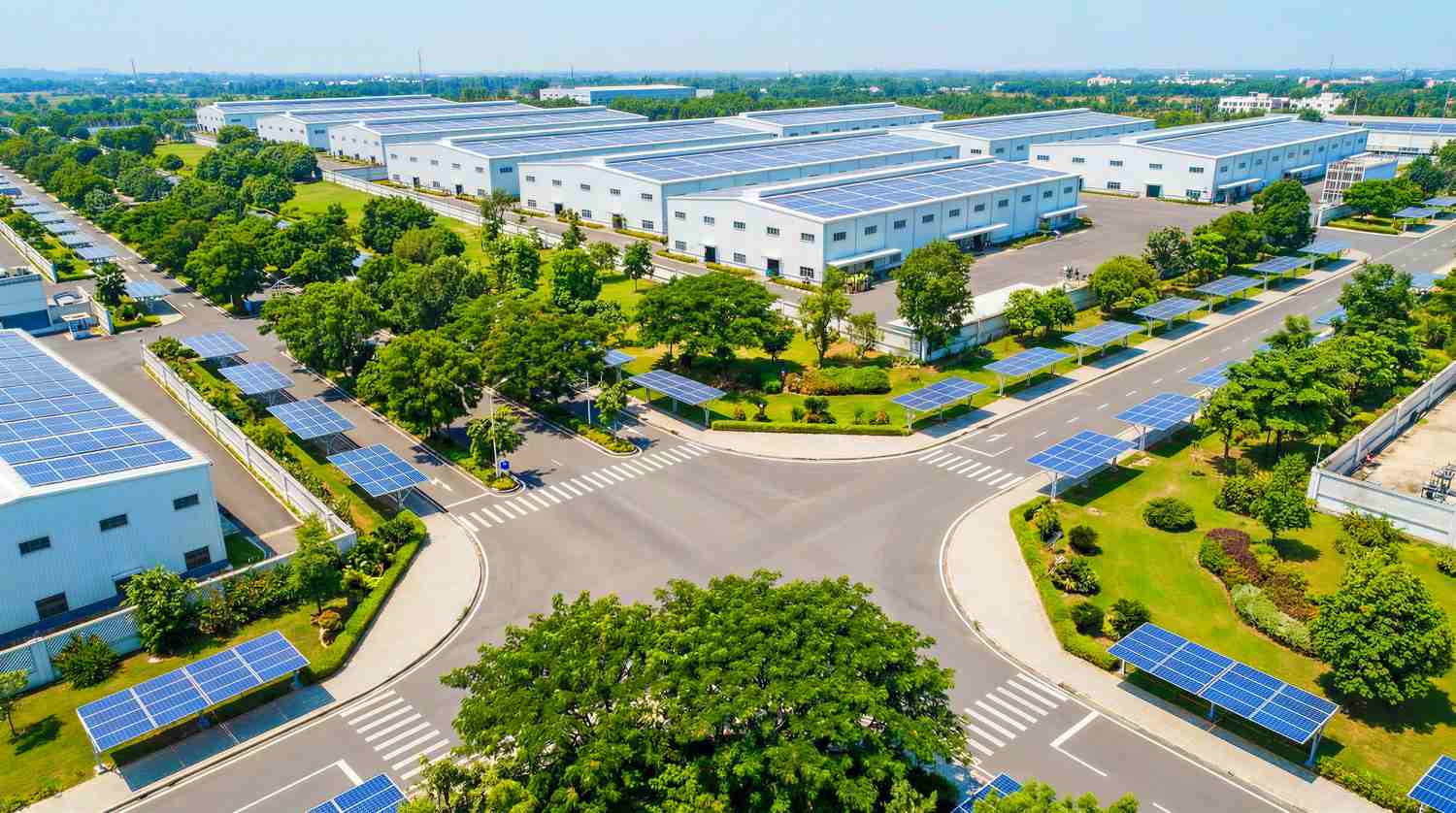
Vietnam’s recognition among APAC’s fastest-growing hubs signals more than economic expansion. It demonstrates the country’s growing role in regional commerce, manufacturing, and supply chain networks.
As trade volumes continue increasing and global companies expand operations in Southeast Asia, Vietnam logistics infrastructure will play a critical role in supporting economic growth, improving connectivity, and strengthening the country’s competitiveness across the APAC region.
Source: VietnamNet
20/05/2026





 VN
VN