 info@mplogistics.vn
 (+84) 28 3811 9033


The opening quarter of 2026 has marked a historic turning point for Vietnam’s industrial landscape. Thai Nguyen province has officially emerged as the nation’s leader in trade surplus, recording a staggering $3.6 billion surplus.
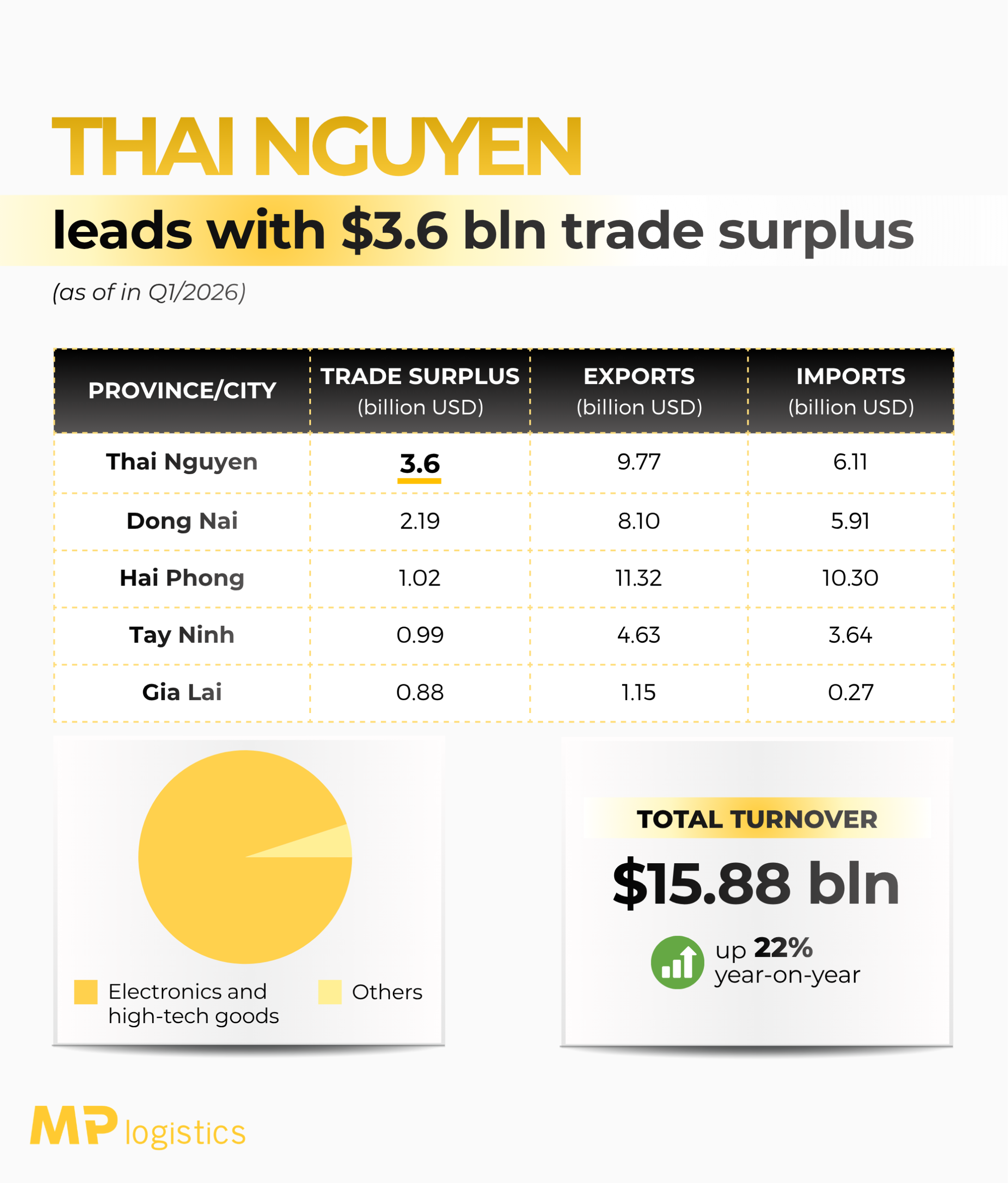
This result is not merely a statistical victory; it is a testament to the province’s sustainable investment strategy, enhanced competitiveness, and its ambition to become a modern industrial powerhouse in the region.
Understanding the Impact of Thai Nguyen’s Trade Surplus
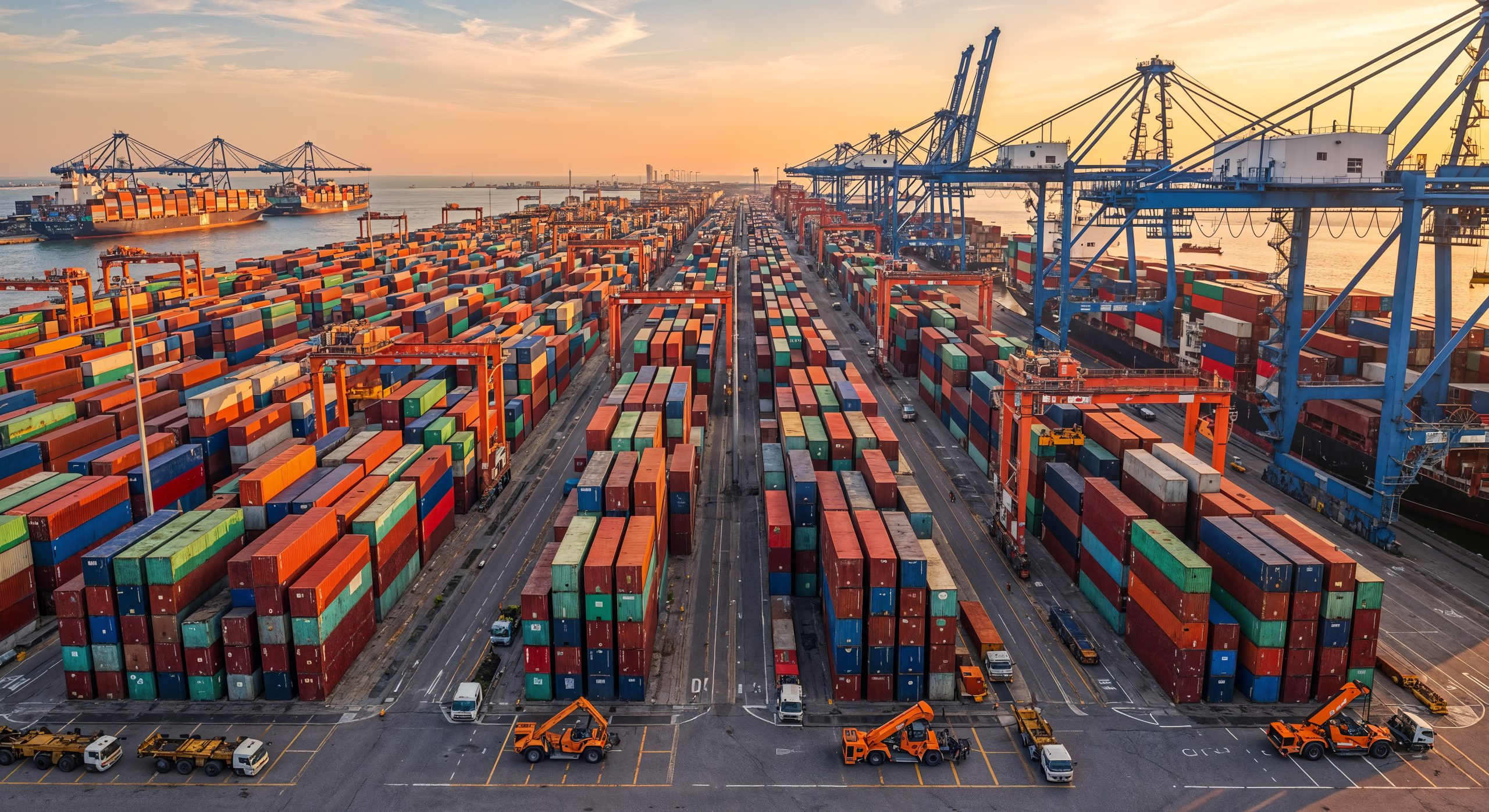
In macroeconomics, a trade surplus occurs when the value of a region’s exports exceeds its imports. For Thai Nguyen, this $3.6 billion gap reflects a high-functioning production economy that sells high-value technology to the world while optimizing its internal resources.
According to local statistical data, the total import-export turnover for Q1/2026 reached $15.88 billion, a 36.8% increase compared to Q4/2025 and a 22% rise year-on-year.
Industrial and Export Momentum: The High-Tech Pillar
The backbone of this trade surplus is the manufacturing sector. Electronic products-including smartphones, tablets, and high-end components-account for over 95% of the total export value. Thai Nguyen has successfully transitioned from a traditional industrial zone into a global “production base” for the world’s leading tech giants.
Despite global geopolitical fluctuations, Thai Nguyen’s export markets have continued to expand. The province’s goods are now staples in major economies such as the United States, South Korea, the European Union, and the Middle East. This geographic diversity ensures that the trade surplus remains resilient even if one specific region faces economic headwinds.
The FDI Sector: The Engine of Growth
A standout feature of Thai Nguyen’s trade profile is the overwhelming dominance of Foreign Direct Investment (FDI) enterprises. This sector contributes approximately 98% of the export value and over 97% of the import value.
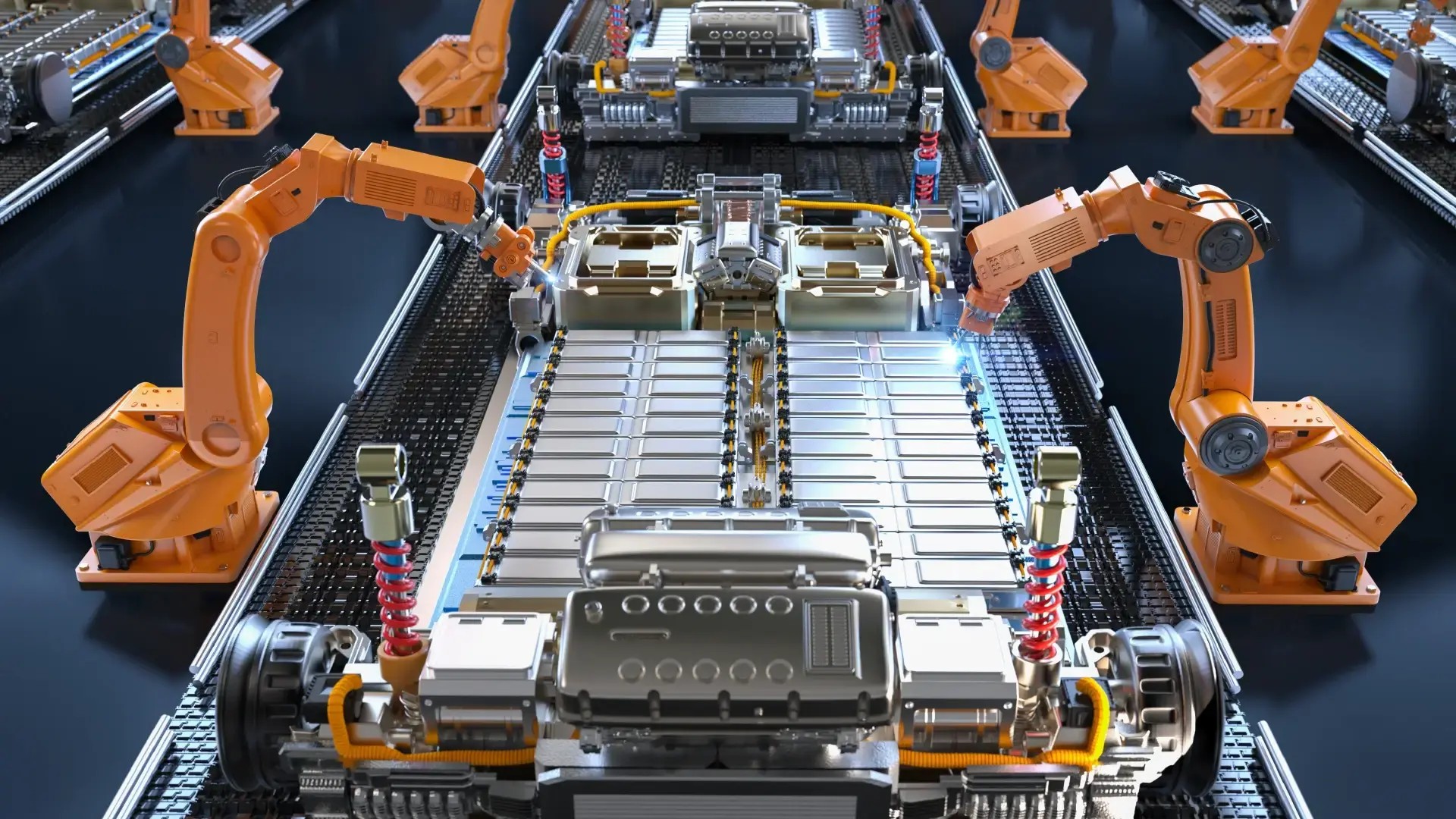
Key global players in electronics and high-tech manufacturing maintained stable production lines from the very start of the year. By securing early orders and maintaining high-capacity operations, these FDI firms have ensured that the trade surplus remains the primary driver of the province’s GRDP growth. The recovery of demand in the US and South Korean markets has further fueled this momentum, allowing Thai Nguyen to outperform other traditional industrial provinces.
The Challenge of Domestic Value Addition
While a trade surplus of $3.6 billion is a positive signal, it also highlights an area for strategic improvement: economic autonomy. Currently, 95% of imports consist of raw materials and electronic components, largely sourced from Asian markets like China.
To make the trade surplus more sustainable and local, Thai Nguyen is focusing on:
- Developing Supporting Industries: Encouraging domestic firms to supply parts to FDI giants.
- Increasing Localization Rates: Reducing the reliance on imported components to keep more of the profit margin within the country.
- Enhancing Competitiveness: Helping local SMEs meet international standards to join the global supply chain.
Strategic Outlook for 2026

Having achieved nearly 30% of the annual plan in just the first quarter, Thai Nguyen is on a clear path toward double-digit growth. The continuous improvement of the investment environment and the expansion of industrial clusters are creating long-term room for growth.
In conclusion, the record-breaking trade surplus in Q1/2026 proves that Thai Nguyen is no longer just a participant in the global supply chain-it is a leader. By balancing FDI attraction with the development of domestic capabilities, the province is setting a gold standard for industrial evolution in Vietnam.
Source: Cong Ly Newspaper
14/4/2026





 VN
VN